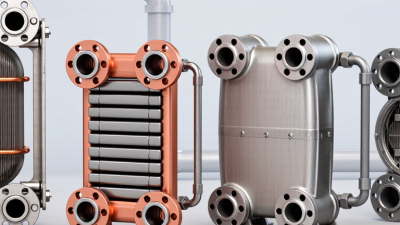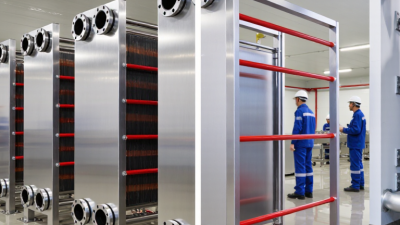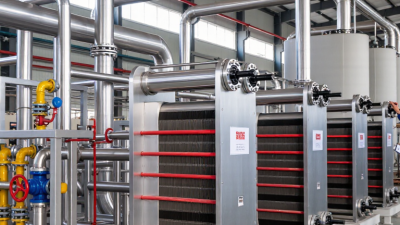
A Plate To Plate Heat Exchanger moves heat through thin, closely spaced plates, creating a compact route for energy exchange. In Thermodynamics: An Engineering Approach, heat-transfer scholar Yunus A. Çengel defines heat as “energy transferred between systems as a result of a temperature difference.” That basic principle guides equipment selection. The details matter, too. Plate pattern, gasket material, channel design, and operating pressure all affect performance. A unit that works well in a food-processing line may not suit a chemical plant.
This guide to China Top 10 Plate To Plate Heat Exchanger Manufacturers offers a practical starting point for buyers comparing suppliers. It looks at product range, customization, manufacturing capability, quality documentation, and technical support. Ask for operating data, not just a polished brochure. Check how a supplier handles spare plates, gasket replacement, and service response. Small details count. A delayed seal can stop an entire line.
The list is not a universal ranking. Requirements vary with fluid properties, temperatures, fouling risk, and installation space. A manufacturer’s strengths may not match every project. That deserves a closer look. Treat each profile as a lead for further checks, and confirm specifications directly with the supplier. Clear questions early can prevent costly surprises later.
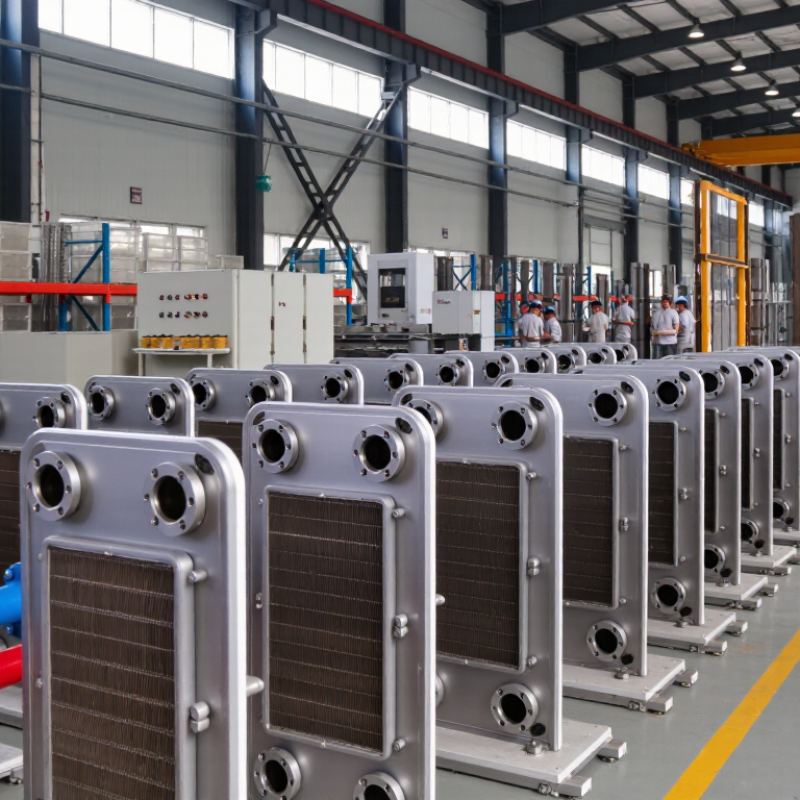
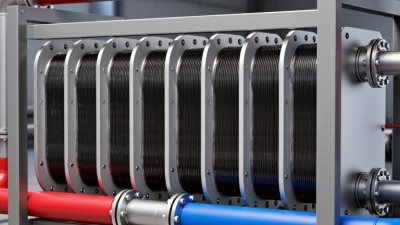
A plate-to-plate heat exchanger transfers heat between two fluids through thin, corrugated metal plates. The fluids stay separate, while alternating channels create a large contact area in a compact frame. In a building plant room, this may mean warm return water preheating incoming water without mixing the two streams. Simple idea. Careful sizing is not.
Performance depends on flow rate, fluid properties, temperature difference, and pressure drop. More plates can increase heat-transfer area, but they also affect equipment size and cleaning needs. Fouling narrows channels and can reduce output; hard-water scale is a common practical concern. Gasketed units allow plate access, while brazed designs are compact but harder to open. Selection should match the duty, not just a catalogue rating.
The IEA’s Energy Efficiency 2023 report found global energy intensity improved by 2.1% in 2022, below the roughly 4% annual improvement rate associated with its 2030 pathway. That global figure does not measure heat-exchanger savings, but it shows why recoverable heat deserves attention. Engineers should compare measured inlet and outlet temperatures, flow, and pressure loss under real operating conditions. A neat calculation can still miss seasonal changes. That is worth admitting.
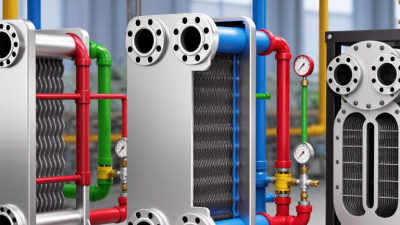
China’s plate heat exchanger industry is organized as a production chain, not a single factory model. Stainless-steel mills supply sheet, while specialist plants stamp plates, form channels, and assemble units through brazing or gasketed construction. System integrators then match exchanger capacity to refrigeration, food processing, chemicals, and building services. Distributors and service firms handle installation, cleaning, and replacement parts. The chain is broad; quality can vary between stages.
Material availability matters. The China Stainless Steel Association reported 36.676 million tonnes of crude stainless-steel production in 2023, up 12.6% year on year. This scale supports a deep supplier base, but it does not prove that every plate grade or finished exchanger meets a buyer’s needs. Testing, traceability, and process control still distinguish capable manufacturers. The structure is not perfectly tidy: some companies combine design, fabrication, and service, while others depend heavily on outside suppliers.
Tips: Ask for material certificates, pressure-test records, and performance data at your actual operating conditions. Check how the supplier handles fouling and spare plates. A low purchase price may not reflect cleaning time or downtime. Small details matter.
China’s Top 10 Plate-to-Plate Heat Exchanger Manufacturers are best assessed through more than catalogue size or quoted price. Buyers should examine how each manufacturer controls plate forming, gasket fit, and final assembly. Small differences in plate alignment can affect flow distribution and sealing. Ask for material certificates, pressure-test records, and clear guidance on operating limits. Useful details include the plate pattern, connection size, design pressure, and compatibility with the working fluid. Details matter.
A capable supplier should explain how its equipment suits a real system, not just offer a standard model. For example, a food-processing line may need frequent cleaning, while a building heating loop may prioritize compact installation and stable temperature control. Compare service access, spare-part availability, delivery schedules, and technical support before making a shortlist. Not every claim is easy to verify. Request test documentation and confirm that the stated performance matches your conditions. A low quote can look convincing, but the cheapest option may bring extra maintenance later. I would still question broad efficiency promises without test conditions; that is an easy detail to miss. These checks help distinguish manufacturers with dependable engineering practices from those relying mainly on polished sales material.
When assessing ten Chinese plate-to-plate heat exchanger manufacturers, compare product ranges before comparing prices. Gasketed units suit many serviceable industrial systems, while brazed models save space in compact installations. Welded designs may fit duties involving higher temperatures or demanding fluids. The right choice depends on operating conditions, not a catalog label.
Check each manufacturer’s stated heat-transfer area, design pressure, temperature limits, and available plate materials. Ask how its engineers calculate flow distribution and pressure drop for your actual fluid data. Request performance figures at defined inlet temperatures and flow rates.
Small differences matter. A narrow temperature approach can improve efficiency, but excessive pressure loss may increase pumping costs. Review test reports, material traceability, and documented quality controls, rather than relying on broad claims.
Technical capability also shows in customization and service. Can the supplier adjust plate patterns, connections, or frame dimensions? Can it explain cleaning access and replacement-part availability?
For a real comparison, send every candidate the same duty specification and evaluate the responses side by side. A polished proposal is useful, but it is not proof of reliable performance. Some specifications may still leave questions unanswered; that deserves follow-up before selection.
Choosing a plate-to-plate heat exchanger manufacturer starts with your operating conditions, not a catalogue rating. The IEA’s Energy Efficiency 2023 report estimates that industry accounts for roughly 37% of global energy use. Efficient heat recovery matters, but quoted performance must match your real process. Share both fluids, flow rates, inlet and target temperatures, operating pressure, and expected hours of use. Ask how the proposed design handles pressure drop, temperature changes, and fouling. A unit sized only for clean fluids may lose performance when deposits build up.
Check material compatibility against the actual fluid composition, including chlorides and cleaning chemicals. Request documented thermal calculations, pressure-test procedures, and allowable operating limits. Ask whether gaskets and plates can be inspected or replaced without special tools. References from similar applications can reveal practical issues a polished datasheet cannot. Even careful sizing involves assumptions; fouling rates and seasonal loads may be difficult to predict exactly. A manufacturer should explain those uncertainties, not hide them.
Tips: Send a sample fluid analysis and a simple process diagram with your inquiry. Compare bids using the same design conditions. Ask for expected cleaning intervals, spare-part lead times, and performance guarantees in writing.