Choosing a Plate To Plate Heat Exchanger manufacturer is not just a brand comparison. The right unit must match the fluids, operating temperatures, pressure limits, and maintenance needs of its intended application. A food-processing line, for example, may prioritize hygienic construction and easy cleaning. A district heating plant may focus more on thermal capacity, pressure ratings, and dependable parts support.
This guide introduces ten manufacturers for buyers to research, rather than presenting a universal ranking. Product ranges and service coverage can differ by region, and published performance figures may rely on specific test conditions. Check the technical datasheet. Compare plate materials, gasket options, connection sizes, warranty terms, and local service availability before requesting a quotation. These details can matter more than a familiar logo.
Look closely at the equipment’s real working conditions. A small temperature difference, a viscous fluid, or frequent cleaning can change which design makes sense. Ask suppliers to explain their sizing assumptions and provide references for comparable applications. Then verify those claims with your own engineering team. Not every detail will be easy to compare. Some manufacturers publish more application data than others, and that gap deserves attention rather than guesswork. The profiles ahead offer a practical starting point for evaluating capabilities, but final selection should follow a documented technical review.
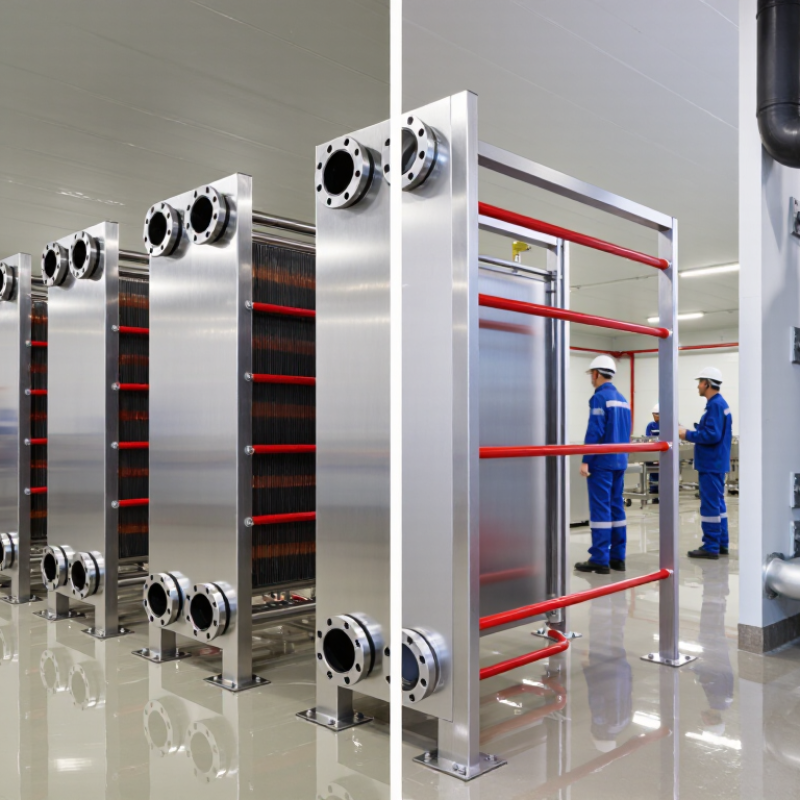
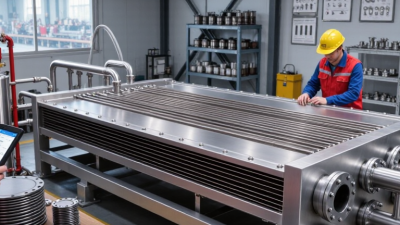
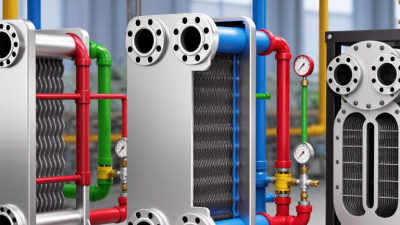
A plate-to-plate heat exchanger transfers heat between two fluids without normally allowing them to mix. It directs each fluid through alternating channels formed by thin, closely spaced metal plates. Heat passes through the plate walls, while the fluids flow on opposite sides. Gaskets or welded joints seal the channels, depending on the unit’s design. The result is a compact device with a large heat-transfer area.
These exchangers are used in heating, cooling, and process systems where space and efficient heat transfer matter. Their performance depends on fluid temperature, flow rate, pressure, and the properties of the fluids. Fouling can reduce efficiency, especially when a fluid contains particles or forms deposits. That sounds simple. It isn’t always. Correct sizing and material selection require actual operating data, not just a desired outlet temperature. Even a small mismatch can affect performance.
Tips: Check the specified flow rates, pressure limits, and cleaning requirements before selecting a unit. Ask how the plates can be inspected or serviced. A compact exchanger may save space, but maintenance access is easy to overlook. It’s worth checking twice.
A plate-to-plate heat exchanger transfers heat through thin metal plates while keeping two fluids in separate channels. One fluid enters hot; the other enters cooler. Their paths alternate, and heat passes through the plate surface without the streams mixing when the unit is intact. Simple idea. Small channels create a large contact area, so these units can transfer substantial heat within a compact frame.
Many designs use counterflow: the fluids move in opposite directions, sustaining a useful temperature difference along the plates. Gaskets seal removable plates, while brazed or welded designs suit different pressures, temperatures, and maintenance needs. The U.S. Department of Energy’s 2008 report, Waste Heat Recovery: Technology and Opportunities in U.S. Industry, estimates that 20–50% of industrial energy input may leave as waste heat. A plate exchanger can recover some of it, but the report’s range is not a guaranteed saving for any one installation. Performance depends on fluid properties, flow rate, fouling, and temperature limits. A thin film of scale can reduce transfer and raise pressure drop. That detail is easy to underestimate. In practice, engineers compare measured inlet and outlet temperatures, pressure losses, and cleaning intervals before judging whether a plate pack is working well.
| No. | Manufacturer Evaluation Dimension | What to Check | Why It Matters | How a Plate-to-Plate Heat Exchanger Works |
|---|---|---|---|---|
| 1 | Thermal design capability | Confirm that the supplier can size the unit using the required heat duty, inlet and outlet temperatures, flow rates, and fluid properties. | Correct sizing helps achieve the required heat transfer without unnecessary pressure drop or oversized equipment. | Heat passes through thin plates from the hotter fluid to the cooler fluid, while the fluids remain in separate channels. |
| 2 | Plate pattern and channel design | Ask how plate corrugation, channel arrangement, and pass configuration are selected for the application. | Plate geometry affects turbulence, heat transfer, fouling tendency, and pressure loss. | Corrugated plates create narrow flow passages and promote mixing, increasing the contact between each fluid and the heat-transfer surface. |
| 3 | Flow arrangement | Check whether the design uses counter-current flow, parallel flow, or a suitable multi-pass arrangement. | Counter-current flow commonly supports a stronger temperature difference across the exchanger than parallel flow. | In a counter-current arrangement, the two fluids travel in opposite directions through adjacent channels. |
| 4 | Plate material selection | Review material options such as stainless steel, titanium, or other alloys against the fluid chemistry and operating conditions. | Material compatibility helps reduce corrosion, leakage, and premature equipment failure. | The plates form the heat-transfer wall; heat crosses the plate while the plate prevents direct mixing of the two streams. |
| 5 | Gasket and sealing compatibility | For gasketed designs, verify that gasket material is compatible with the process fluid, cleaning chemicals, and temperature. | Gaskets seal the flow channels and influence service life, maintenance intervals, and leakage risk. | Gaskets guide the fluids into alternating channels and seal the plate pack around its perimeter. |
| 6 | Pressure and temperature limits | Check the proposed unit’s design limits against the system’s normal, startup, shutdown, and upset conditions. | Operating limits depend on the construction, materials, seals, and applicable design requirements. | Each fluid flows through its own set of channels, so the plate pack and seals must safely withstand the pressure difference between streams. |
| 7 | Pressure-drop calculation | Request calculated pressure drops for both sides at minimum, normal, and maximum flow conditions. | Excessive pressure drop can increase pumping energy and may prevent the system from reaching its required flow rate. | Narrow, corrugated channels improve heat transfer but also create resistance to flow; the design balances these effects. |
| 8 | Fouling and cleanability | Discuss fluid cleanliness, suspended solids, scaling potential, cleaning access, and any required filtration. | Deposits on plate surfaces reduce heat transfer and can increase pressure drop over time. | In a serviceable gasketed unit, the plate pack can generally be opened for inspection and cleaning; other designs have different maintenance methods. |
| 9 | Construction type and service access | Compare gasketed, brazed, welded, and other suitable plate designs based on process conditions and maintenance needs. | Construction type affects pressure and temperature capability, repair options, footprint, and ease of cleaning. | All plate-based designs transfer heat across separating plates, but their joining and sealing methods differ. |
| 10 | Documentation and support | Request thermal calculations, material records, operating instructions, maintenance guidance, and relevant inspection documents. | Complete documentation supports safe installation, commissioning, troubleshooting, and lifecycle maintenance. | Reliable performance depends on matching the exchanger design to the actual fluids, duty, flow rates, and system conditions. |
Note: This table compares practical manufacturer-selection criteria rather than ranking named companies. The appropriate design and materials depend on the specific process fluids, temperatures, pressures, flow rates, and applicable codes.
Comparing plate-to-plate heat exchanger manufacturers starts with your operating conditions, not a catalog claim. Share inlet and outlet temperatures, flow rates, fluid properties, allowable pressure drop, and expected fouling. Request a thermal selection based on those details. Even a small change in viscosity can affect capacity. Check heat-transfer area, approach temperature, and pressure loss together; one impressive figure rarely tells the full story. Confirm that plate and gasket materials suit both fluids, cleaning chemicals, and operating temperatures. Verify pressure and temperature limits for the assembled unit, not just its components. Details matter.
Tips: Request a written selection sheet, pressure-drop data, material specifications, and inspection records. Ask how performance is verified and which tests are included before shipment. Compare warranty terms, spare-part lead times, service support, and cleaning access. If possible, speak with users handling similar fluids and operating conditions. Have a qualified engineer review the shortlist against your site requirements. Good paperwork helps. It is not proof by itself.
A manufacturer’s response can also reveal how carefully it works. Look for clear assumptions, stated tolerances, and direct answers. Check quality-control procedures and production traceability. Treat claims such as “highest efficiency” cautiously unless test conditions are provided. Compare ownership costs, including pumping energy, maintenance, replacement plates, and downtime. Some estimates remain uncertain until fouling is observed in service. Ask which assumptions need field confirmation and record them before purchase. This may seem overly cautious. It can prevent costly surprises.
Use these checklist counts to structure a like-for-like review of manufacturer proposals.
The bars count the specific fields in this comparison checklist, not manufacturer scores or market statistics. Compare thermal duty, flow rates, temperatures, pressure drop, design limits, materials, compliance documentation, and serviceability using your project requirements.
Who are the top 10 plate-to-plate heat exchanger manufacturers? There is no reliable universal ranking: suppliers specialize in different designs, duties, and service regions. A useful shortlist covers ten areas: global industrial systems, commercial HVAC, district heating, refrigeration, food processing, pharmaceutical production, marine equipment, compact brazed units, gasketed plate units, and welded high-pressure designs. These categories describe expertise, not a fixed ranking.
Manufacturer comparison
Compare manufacturers by the exchanger itself. Check plate material, gasket compatibility, pressure and temperature limits, and documented thermal performance. Ask for test data at your actual flow rates; a glossy efficiency claim means little without operating conditions. For food or pharmaceutical service, request details on cleanability and surface finish. For marine or outdoor installations, corrosion resistance matters. Small details count.
Service is part of the purchase. Confirm spare-part availability, local technical support, and expected delivery times before selecting a supplier. Request references for similar fluids and duty cycles, not just similar equipment sizes. One imperfect point: published specifications rarely show how an exchanger performs after years of fouling. That uncertainty deserves a direct conversation with the manufacturer.
Start with the duty, not the catalogue. Give each candidate your required heat load, inlet and outlet temperatures, flow rates, operating pressure, and fluid composition. Include likely fouling, cleaning intervals, and space limits. A compact unit may fit the skid, but narrow channels can be less forgiving when fluids carry particles. Ask manufacturers to explain their thermal calculations and state the assumptions behind them. Details matter.
Check construction materials against the actual fluids and operating conditions. Request pressure-drop figures, gasket compatibility information, test procedures, and documented quality controls. Compare service access, spare-part availability, warranty terms, and expected maintenance—not just purchase price. The U.S. Department of Energy’s 2008 report, Waste Heat Recovery: Technology and Opportunities in U.S. Industry, estimates that roughly 20–50% of industrial energy use may be discharged as waste heat. That range shows why effective heat recovery matters, but it does not guarantee savings for every installation. Verify projected performance with your own operating data.
Tips: Send the same process data to every supplier, then compare proposals line by line. Ask for references from similar duties and a sample performance calculation. If a proposal looks unusually simple, ask what it leaves out. I would also revisit assumptions after commissioning; real fluids rarely behave exactly like a clean design case.