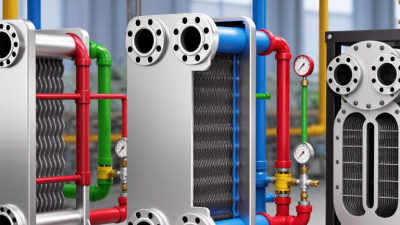
Choosing a plate heat exchanger in 2026 is not just a matter of comparing capacity and price. A Heat Exchanger Phe must match the actual process: fluid type, flow rate, inlet and outlet temperatures, operating pressure, and available space. A unit selected from a brochure alone may look suitable, then struggle when temperatures fluctuate or the fluid carries suspended solids. Small details matter.
Start with reliable operating data. Record normal and peak flow, temperature ranges, pressure limits, and expected hours of operation. Then consider plate material, gasket compatibility, channel design, and how often the unit may need cleaning. For example, a food-processing line with frequent washdowns may need different materials and service access than a closed heating circuit. Ask suppliers to explain their thermal calculations and assumptions, not just provide a model number. Check what maintenance support and replacement parts are realistically available.
There is no perfect configuration. A compact plate pack may save floor space, but it can be less convenient to service; a conservative design may cost more upfront. That trade-off deserves scrutiny. Also, design conditions are sometimes incomplete or optimistic, so confirm them with the people who operate the system. Not always easy. This guide explains how to compare PHE designs, verify performance, and identify questions worth asking before purchase. The aim is a dependable choice, not the most impressive specification sheet.
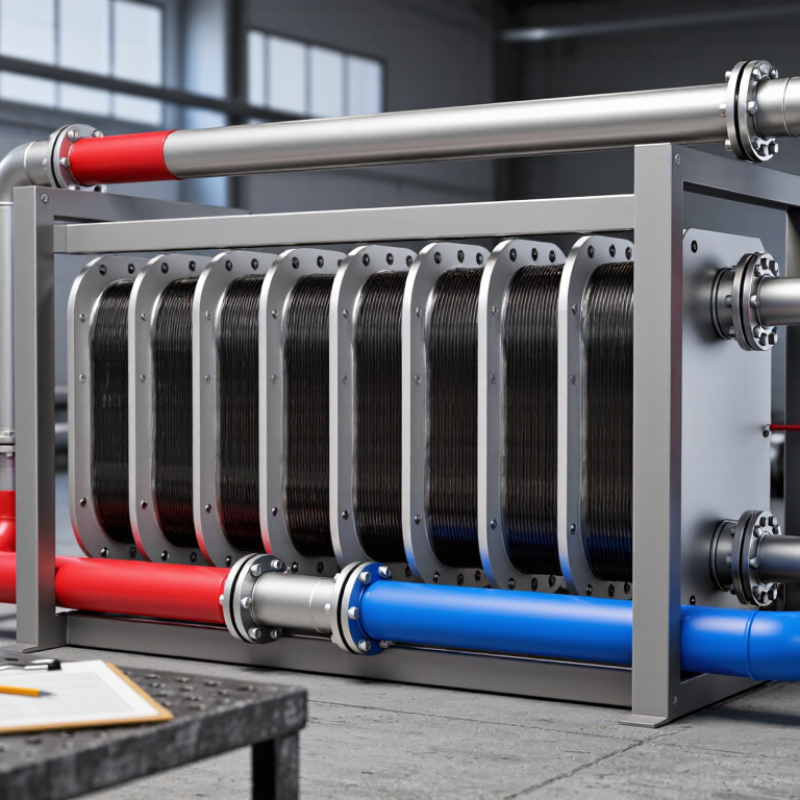
Define the duty before comparing plate heat exchangers. Record each fluid’s inlet and target outlet temperatures, flow rate, operating pressure, and allowable pressure drop. Include start-up, turndown, and cleaning conditions; steady-state figures alone can miss the real constraint. Small details matter. A viscous fluid or suspended solids can change the required channel arrangement and cleaning interval.
Describe the fluids precisely, including concentration, viscosity, solids content, and corrosion risks. These details guide plate material and gasket selection, while the required heat load and temperature approach shape the thermal design. Check both sides of the exchanger against credible worst-case conditions, not just nominal values. The International Energy Agency’s Energy Efficiency 2023 report states that industry accounted for about 37% of global final energy consumption in 2022. That makes realistic duty data valuable: an undersized unit may limit production, while excess pressure drop can raise pumping demand. A neat datasheet can still conceal a poor assumption. Review the inputs with process and maintenance staff before requesting a final selection.
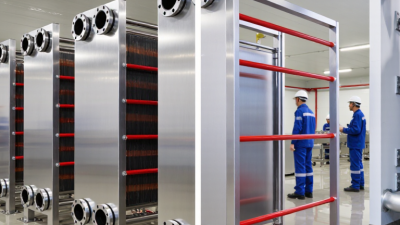
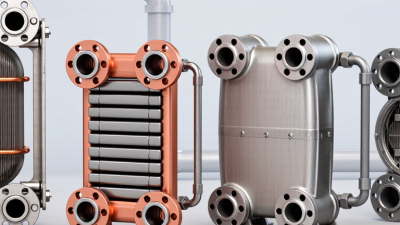
A plate heat exchanger’s design affects efficiency, maintenance, and tolerance for fouling. Gasketed units open for inspection and plate replacement, making them practical when fluids need frequent cleaning. Brazed designs are compact and have no gaskets, but internal passages are harder to access. Welded or semi-welded plates can suit certain aggressive or high-pressure duties, though repair options differ. Check operating pressure, temperature, flow rate, and cleaning method before comparing heat-transfer area alone. That matters.
Plate material should match the actual fluid chemistry, including chlorides, cleaning agents, and temperature changes. Stainless steel is common for many water-based services, but it is not a universal choice. Titanium can offer better resistance in some chloride-rich applications; nickel alloys may be considered for demanding chemical conditions. Confirm compatibility with corrosion data and a qualified engineer. A tidy specification sheet can still miss brief cleaning cycles or contaminants.
Gasket choice is equally specific. EPDM, NBR, and FKM differ in chemical compatibility and temperature limits, so confirm the exact fluid and operating range with current technical data. Also check whether the gasket is glued or clip-on, and how easily it can be replaced. Small details count. Leave room for inspection and plate removal. The lowest purchase price may not reflect labor, downtime, or replacement-part costs over the exchanger’s service life.
Choosing a PHE heat exchanger in 2026 starts with dependable process data, not a catalogue estimate. Record each fluid’s inlet and target outlet temperatures, flow rate, heat capacity, and operating range. Small details matter. Glycol concentration, suspended solids, and seasonal temperature changes can alter performance. A two-degree difference in an assumed outlet temperature may affect the required surface area.
Assess thermal performance against the actual heat duty and available temperature difference. Ask for predicted outlet temperatures and the assumptions behind them, including fouling allowance and flow arrangement. Then review pressure drop on both sides. Compare the exchanger’s estimated losses with the pressure your pumps can provide, while accounting for pipes, valves, and filters. Too much resistance can reduce flow or raise energy use. Too little velocity may also weaken heat transfer. Do not guess.
Sizing depends on more than plate area. Plate count, channel geometry, number of passes, and fluid properties all influence capacity and pressure loss. Provide realistic minimum and maximum flow rates, not just normal operating values. Check that the proposed unit can handle expected startup conditions and future process changes. Early calculations are estimates, not promises; fouling, worn pumps, or inaccurate measurements can shift actual results. Leave room to verify performance during commissioning.
Illustrative water-to-water sizing comparison. Compare estimated heat-transfer capacity with pressure drop as plate count changes. The example design target is 100 kW, with a maximum allowable pressure drop of 50 kPa per side.
In this illustrative estimate, 40 plates meet the 100 kW duty target while remaining below the pressure-drop limit. Actual performance depends on fluid properties, flow rates, plate geometry, pass arrangement, and fouling allowance; confirm final sizing with a thermal and hydraulic calculation.
How to Choose a PHE Heat Exchanger in 2026?
In 2026, check the pressure and temperature limits against your actual operating conditions—not just the design sheet. Confirm that the frame, plates, and gaskets suit the fluid chemistry and cleaning process. Verify applicable pressure-equipment requirements, such as ASME BPVC Section VIII or EN 13445, with a qualified engineer. Requirements depend on location and service. Ask for material certificates, pressure-test records, and clear operating limits. The U.S. Department of Energy’s 2008 report, Waste Heat Recovery: Technology and Opportunities in U.S. Industry, estimates that 20–50% of industrial energy input may leave as waste heat. Recovery potential matters, but a poor match can increase fouling and downtime.
Maintenance is part of the purchase decision. Ask how plates are inspected, how gasket replacement is handled, and whether routine servicing requires specialist tools. Get written guidance on cleaning methods and recommended inspection intervals. Real plants are messy. A maintenance plan should reflect the actual fluid, not an idealized duty cycle. Supplier support also deserves scrutiny: request spare-part availability, technical response times, installation assistance, and help diagnosing pressure-drop changes. Ask for a sample service record or troubleshooting checklist before placing an order. If support promises remain vague, treat that as a risk. A low purchase price can look less attractive when a leaking gasket or delayed replacement plate stops production.
| Selection dimension | What to verify | Why it matters | Questions to ask before purchase |
|---|---|---|---|
| Safety codes and jurisdiction | Identify the rules that apply at the installation location and confirm the proposed unit’s design documentation, inspection requirements, and conformity marking where applicable. In the EU, pressure equipment may fall under the Pressure Equipment Directive (2014/68/EU), depending on its classification and service conditions. ASME Boiler and Pressure Vessel Code requirements may apply where adopted or specified. | Applicable requirements depend on location, pressure, fluid group, equipment category, and project specifications. A code name alone does not establish that a particular unit is compliant. | Which codes and regulations apply to this installation? What documentation and inspection records will be supplied? Is third-party assessment required? |
| Design pressure and temperature | Check the allowable operating and design pressure and temperature for both circuits, including start-up, shutdown, transient, and differential-pressure conditions. | Limits vary with the plate pack, frame, connections, gasket material, and design. Operating outside the approved limits can cause leakage or equipment failure. | Are the stated limits valid for the selected plate and gasket materials and for the maximum differential pressure? |
| Pressure protection and isolation | Review system-level provisions for overpressure protection, isolation, venting, draining, and thermal expansion of liquid trapped between closed valves. | A heat exchanger selection does not replace a site-specific pressure-protection assessment. Trapped liquid can develop high pressure as it warms. | Has the system designer assessed relief protection and safe isolation for each circuit? |
| Thermal and hydraulic performance | Provide design flow rates, inlet and outlet temperatures, fluid properties, allowable pressure drops, and the required heat duty. Request the calculation basis and performance data at the specified conditions. | Heat-transfer performance and pressure drop depend on the actual fluids, flow conditions, plate arrangement, and fouling assumptions. | Does the calculation state all design conditions, pressure drops, and fouling assumptions? Is there a defined performance guarantee? |
| Plate and gasket materials | Check corrosion compatibility against the full fluid composition, concentration, temperature, contaminants, and cleaning chemicals. Confirm gasket compatibility with the process and cleaning cycles. | Material suitability is service-specific. For example, chloride exposure can contribute to corrosion of some stainless steels, with risk affected by concentration and temperature. | What fluid analysis was used to select the materials? Are all process and cleaning chemicals covered by the compatibility review? |
| Fouling and cleaning method | Assess whether the service is prone to scaling, suspended solids, biological growth, or other deposits. Confirm whether cleaning in place (CIP), manual cleaning, or both are appropriate. | Fouling can reduce heat transfer and increase pressure drop. Cleaning procedures must be compatible with the materials and the site’s safety practices. | What cleaning method, chemicals, and inspection interval are recommended for this duty? Can the plate pack be opened for inspection? |
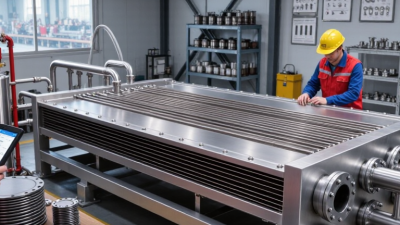
| Inspection and maintenance access | Allow space to open the frame and remove plates, and check access to tightening dimensions, lifting points, isolation valves, and service areas. | Restricted access can make routine inspection, gasket replacement, and plate cleaning slower or more difficult. | What clearance is needed for disassembly? Which wear parts should be stocked on site, and what maintenance records should be kept? |
| Leak detection and consequences | Consider the consequences of cross-contamination or external leakage, especially where fluids differ in pressure or have health, environmental, or product-quality implications. | Risk controls may include monitoring, inspection, suitable materials, or a different exchanger configuration; the appropriate choice depends on the process hazard assessment. | What failure modes have been considered? Is a leak-detection or contamination-monitoring method needed? |
| Supplier documentation and support | Confirm availability of certified or traceable material records where required, drawings, operating and maintenance instructions, spare-part identification, and service support. | Complete documentation supports commissioning, maintenance, audits, and future replacement planning. | What documents are included? Are service technicians and compatible spare parts available for the installation location? |
| Lifecycle cost and delivery | Compare the quoted scope, expected maintenance tasks, spare-part availability, service response, delivery schedule, and any stated warranty conditions. | Purchase price alone does not capture the effort and cost of cleaning, downtime, inspection, or parts replacement. | What is included in the quotation and warranty? What are the expected maintenance requirements and spare-part lead times? |
Note: Final equipment selection and code applicability should be confirmed by qualified project engineers for the specific fluids, operating conditions, installation location, and local regulations.
A PHE exchanger should be judged by more than its purchase price. Compare the installed cost, including piping changes, isolation valves, controls, and commissioning. Then estimate annual energy use from the expected flow, temperatures, and pressure drop. A lower initial quote can require more pumping power every hour.
Review the operating conditions behind each proposal. Ask whether the quoted heat-transfer area allows for fouling, and check the stated approach temperature against your actual process data. Small leaks matter. Gasket material, plate access, and local service capability affect repair time and maintenance cost. I have seen teams focus closely on thermal performance, then overlook the labor needed to open and clean a unit. That is an easy gap to miss.
Build a lifecycle comparison over a realistic service period, using energy, cleaning, replacement parts, downtime, and financing assumptions. Test the numbers under more than one scenario: higher utility prices, reduced production, or shorter cleaning intervals. Keep the assumptions visible, not buried in a spreadsheet. Some estimates will still be imperfect, especially when process data is incomplete. Note that uncertainty and request field measurements before final approval. A careful review can reveal that the least expensive option today carries a higher operating burden later.