Leave Your Message

Top PHE Heat Exchanger Manufacturers Worldwide

A Phe Heat Exchanger may look simple on a product page, yet its performance depends on flow rate, temperatures, pressure, and fluid properties. Those numbers are only part of the decision. The right unit must also suit the plant’s cleaning routine, available space, and maintenance capabilities. Small details matter.

Plate pattern, gasket material, port size, and frame design can affect efficiency, reliability, and service time. For buyers, a sound comparison begins with published technical data and clear commitments for engineering and after-sales support. This guide introduces leading PHE manufacturers operating in global markets, without suggesting that one brand suits every application. It considers product range, customization, service access, and documented quality practices.

Public information is not always complete. Any gaps should remain visible rather than be filled with assumptions. A catalog rating may not reflect fouling, seasonal loads, or the temperature approach required at a specific site. Ask suppliers how their proposed unit matches the actual duty, and what maintenance access it requires. Check whether replacement plates and gaskets are readily available in the operating region. These details can matter more than a polished brochure. This overview offers a practical starting point, not a substitute for reviewing site data with qualified engineers. Manufacturers’ capabilities change, and buyers should verify current specifications directly.
Top PHE Heat Exchanger Manufacturers Worldwide

What Is a Plate Heat Exchanger and How Does It Work?

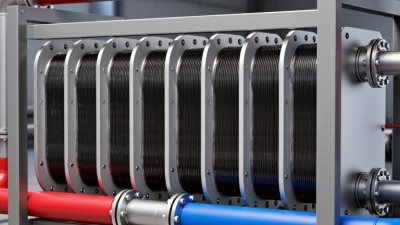
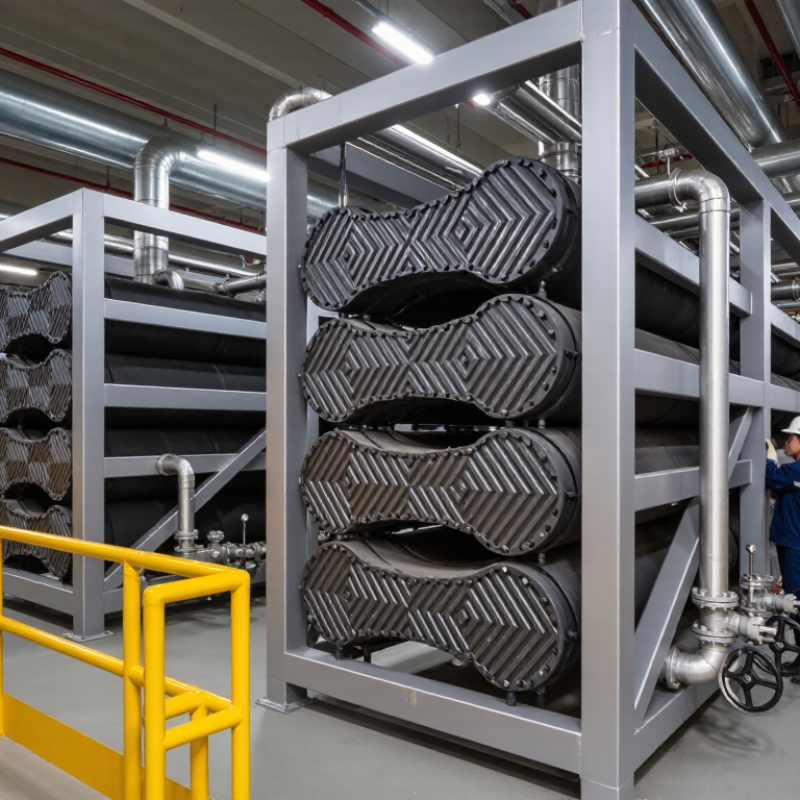
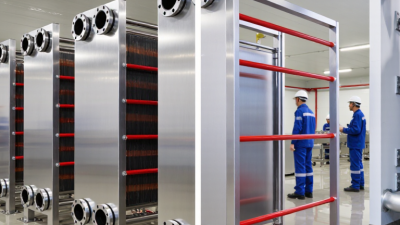
A plate heat exchanger transfers heat between two fluids through a stack of thin, corrugated metal plates. The plates create separate channels, so the fluids exchange heat without mixing. They stay apart. In many designs, one fluid moves through alternating channels while the other flows in the opposite direction. This counterflow arrangement helps maintain a useful temperature difference along the unit. The corrugations also encourage turbulence, improving heat transfer while keeping the equipment compact. A small footprint matters in crowded plant rooms.

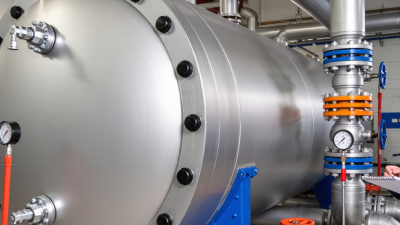
Gaskets seal the plate edges and guide each fluid through its assigned path. In gasketed units, technicians can often open the frame to inspect plates or change capacity by adding or removing them. Brazed designs are more compact, but access for internal inspection is limited. The right choice depends on fluid properties, pressure, temperature, and cleaning needs. Check these carefully. In operation, a rising pressure drop may point to fouling or a blocked channel, though it is not proof by itself. Compare readings with the unit’s baseline. A simplified diagram makes the process look effortless; real systems are less tidy, and actual performance depends on installation, water quality, and steady monitoring.
Where Are PHE Heat Exchangers Commonly Used?

Plate heat exchangers are common wherever heat must move between fluids without mixing them. In commercial buildings, they serve heating, cooling, and domestic hot-water systems. A maintenance technician might find one beside a boiler room, connected to insulated pipes and fitted with valves for cleaning or isolation. Their compact footprint helps when plant rooms are crowded.

Food and beverage facilities use them to heat or cool products and process water. Their plate packs provide a large heat-transfer area, while removable designs can simplify inspection and cleaning. Suitability depends on the fluid, product hygiene needs, operating temperature, and fouling risk. Small details matter: a sugary liquid can leave deposits faster than clean water. That can change maintenance plans.

District energy networks and industrial plants also use plate heat exchangers to transfer heat between circulating loops. Marine systems may use them for engine cooling, while data centers can use them to separate cooling circuits. The exact design must match pressure, temperature, and fluid chemistry. It is not always ideal. Narrow passages can clog, and gaskets need attention. An exchanger that works well on paper may still need adjustment after real operating conditions reveal uneven flow or unexpected deposits.

Where Are PHE Heat Exchangers Commonly Used?

Typical operating temperature ranges across common plate heat exchanger applications

Plate heat exchangers are widely used in HVAC, district heating, food processing, marine cooling, and industrial process systems. Temperature ranges shown are indicative; actual operating conditions vary by system design and application.

How to Compare PHE Manufacturers Worldwide

Comparing plate heat exchanger (PHE) manufacturers worldwide starts with the duty, not the catalogue. Record flow rate, inlet and outlet temperatures, design pressure, fluid chemistry, and expected fouling. Keep the data consistent. Otherwise, quoted surface area and price may not be comparable. Ask for a thermal calculation showing pressure drop on both sides, not just headline capacity. Small details matter.

Review plate and gasket materials against the actual fluid, cleaning method, and operating temperature. Request material traceability, pressure-test records, dimensional drawings, and maintenance instructions. Check whether the test conditions match your service. Brochure claims are not enough. An experienced supplier should explain how fouling allowances, pass arrangements, and plate patterns affect performance. Still, even a detailed simulation may not capture every variation in real operation. Treat it as one input, not proof.

Compare lifecycle support as carefully as purchase price: spare-plate availability, gasket replacement intervals, technical response times, and regional service coverage. Ask for typical lead times and clarify which documents arrive with the unit. References from similar applications are useful, especially where fluids are corrosive or cleaning is frequent. Do not overvalue a polished proposal. Actual performance also depends on installation and maintenance, so leave room to verify assumptions after commissioning.

Top PHE Heat Exchanger Manufacturers Worldwide - How to Compare PHE Manufacturers Worldwide
Comparison Dimension What to Compare Reliable Evidence to Request Why It Matters
Heat exchanger design Gasketed, brazed, welded, or semi-welded plate heat exchanger configurations; suitability for the fluids and operating conditions in the project. Product data sheets, drawings, design calculations, and a written confirmation of fluid and duty suitability. Different constructions have different maintenance requirements, sealing arrangements, and limits on fluid compatibility.
Thermal performance Specified heat duty, inlet and outlet temperatures, flow rates, allowable pressure drop, and fouling assumptions. A project-specific thermal calculation showing the stated operating conditions and assumptions. Performance depends on the complete operating case; a general catalogue rating is not a substitute for a duty-specific selection.
Pressure and temperature limits Maximum allowable pressure and temperature for the selected model, materials, gaskets, and operating configuration. Model-specific technical documentation and, where applicable, design-code documentation and nameplate information. Limits vary by construction and configuration. Confirm that the selected unit meets the project design conditions.
Materials and fluid compatibility Plate, frame, brazing, and gasket materials; compatibility with process fluids, cleaning agents, and expected corrosion conditions. Material specifications, gasket compatibility information, and written confirmation for the stated fluid composition and concentration. Material selection affects corrosion resistance, leakage risk, service life, and maintenance intervals.
Pressure equipment compliance Applicable design and conformity requirements for the installation location and equipment category. Relevant documentation, such as conformity information under the EU Pressure Equipment Directive (PED) where applicable, or ASME Boiler and Pressure Vessel Code documentation where specified and applicable. Regulatory requirements depend on jurisdiction, equipment classification, and project specifications. These references are not interchangeable or universally applicable.
Performance verification Whether thermal performance data is calculated, tested, or independently rated, and which test method or rating standard is used. Test reports or rating documentation. AHRI Standard 400 is a published performance-rating standard for liquid-to-liquid heat exchangers; confirm its applicability to the offered product. Comparable test conditions and clearly stated methods make performance claims easier to assess across suppliers.
Quality management Documented quality management processes covering design, production, inspection, and corrective actions. A current ISO 9001 certificate with a scope that covers the relevant manufacturing activities, if certification is claimed. ISO 9001 concerns quality management systems; it is not, by itself, product certification or proof of heat exchanger performance.
Manufacturing and inspection Traceability of materials, production controls, pressure or leak testing, and inspection records for the supplied unit. Inspection and test plan, material certificates where specified, test records, and serial-number traceability. Clear records support quality assurance, commissioning, and later maintenance or troubleshooting.
Hygienic applications Cleanability, drainability, surface and gasket suitability, and documentation for food, beverage, or other hygienic duties. Application-specific design information and relevant hygienic certifications or authorizations where required by the project. Hygienic requirements depend on the process and jurisdiction; a general industrial design may not meet them.
Maintenance and spare parts Availability of replacement plates, gaskets, service instructions, recommended inspection intervals, and technical support. Written spare-parts policy, maintenance documentation, and confirmed service arrangements for the installation location. Serviceability and parts availability can affect downtime and whole-life operating cost.
Lifecycle and environmental information Energy-use assumptions, repairability, material documentation, and any environmental management claims relevant to the purchase. Supporting technical or environmental documentation; an ISO 14001 certificate, if claimed, should be checked for current validity and scope. ISO 14001 relates to an environmental management system and does not independently certify a product’s environmental impact.
Commercial and project support Quotation completeness, delivery schedule, commissioning support, warranty terms, and clarity of exclusions. A project-specific quotation, delivery commitment, warranty document, and written scope of supply. Consistent commercial information helps compare total project risk and cost, not only the initial purchase price.

Leading PHE Heat Exchanger Manufacturers and Their Strengths

Leading PHE manufacturers distinguish themselves through plate design, material selection, and dependable service. Some specialize in compact units for food processing, where narrow channels and frequent cleaning matter. Others engineer larger frames for district energy or chemical plants. Their strengths show up in practical details: gasket access, corrosion-resistant plates, and clear instructions for tightening the frame. Small details count.

MarketsandMarkets estimated the global heat exchanger market at USD 17.6 billion in 2023, forecasting USD 24.8 billion by 2028. This figure covers multiple exchanger types, not PHEs alone, so it signals broader demand rather than a precise PHE market size. Growing interest in energy efficiency also puts pressure on suppliers to deliver strong thermal performance without excessive pumping losses. Test conditions matter.

Manufacturers with application engineering teams can help buyers match plate patterns and materials to fluid properties, operating pressure, and cleaning routines. For example, a plant handling viscous liquids may need wider channels, while a hot-water loop may prioritize close temperature control. Quality documentation and accessible replacement parts reduce maintenance uncertainty. Yet no design is best everywhere. Published performance figures can be hard to compare when test methods differ, and buyers should verify them against actual operating conditions.

Key Factors When Choosing a PHE Manufacturer

Choosing a plate heat exchanger manufacturer starts with the duty, not the catalog. Share the fluid composition, flow rates, inlet temperatures, pressure, and expected fouling. Ask how the proposed plate pattern handles your operating range. A credible technical team should explain its thermal and hydraulic calculations in plain language. Details matter.

Check plate and gasket materials against the actual fluids and cleaning routine. A gasket that tolerates normal operation may still fail under frequent chemical cleaning. Request material documentation, pressure-test records, and clear tolerances for temperature and pressure. Compare these with your process conditions, not just the unit’s headline capacity. Small mismatches can cause costly downtime.

Service access matters, too. Ask how plates are removed, how replacement parts are identified, and whether maintenance guidance is available. If possible, speak with users operating similar fluids and temperatures. A neat catalog is not proof. One uncomfortable truth: supplier estimates depend on the data you provide, and early figures may change when process details emerge. Leave room for that uncertainty when comparing lifecycle cost, delivery time, and technical support.