Leave Your Message

What Are the Best Heat Exchanger Types in 2026?

Choosing the best Heat Exchanger in 2026 is less about chasing new designs and more about matching equipment to the process. That sounds obvious. Yet the wrong choice can show up quickly: rising pressure drop, uneven outlet temperatures, or hours lost during cleaning. A plate heat exchanger may suit a space-limited plant with clean fluids, while a shell-and-tube design can handle demanding pressures and tougher service. Air-cooled units can reduce reliance on cooling water, but their performance may shift with ambient temperature and available space.

There is no universal winner. Selection depends on operating temperature, pressure, fluid compatibility, fouling risk, maintenance access, and total lifecycle cost—not purchase price alone. A food-processing line, a chemical plant, and a building’s heating system face different constraints. Even within one facility, changing flow rates or product batches can alter what works well. That detail is easy to overlook.

This guide compares common exchanger types by their practical strengths, limitations, and typical applications. It also considers what buyers should verify in manufacturer data, including thermal duty, pressure-drop limits, materials, and cleaning requirements. Real operating conditions matter more than brochure claims. A neat comparison cannot replace sound engineering; estimates may miss local fouling or seasonal changes. Use the discussion as a starting point, then confirm the final selection against process data and qualified technical advice.
What Are the Best Heat Exchanger Types in 2026?

How Heat Exchangers Work and What Makes a Type Suitable

A heat exchanger transfers thermal energy between fluids while keeping them separate. One fluid may pass through narrow channels as another flows around them. Heat crosses a metal wall, moving from the warmer side to the cooler one. That sounds simple. In practice, flow rate, temperature, pressure, and fluid cleanliness all affect performance.

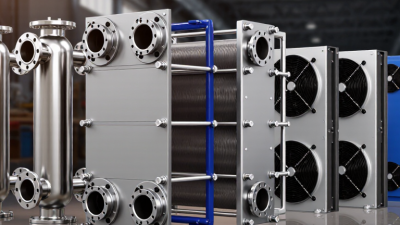
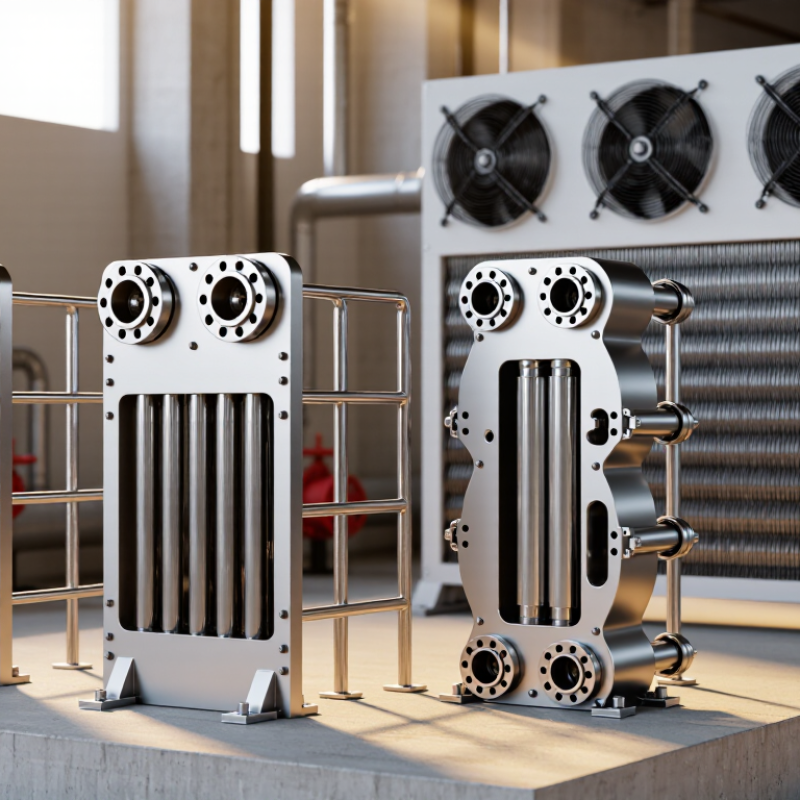
Plate exchangers use stacked metal sheets to create compact flow paths. Their large contact area supports efficient heat transfer, but narrow passages can clog when fluids carry particles. Shell-and-tube units guide one fluid through tubes and another around them inside a shell. They are often chosen for demanding pressure or temperature conditions and can be easier to inspect. Finned-tube designs add surface area, which helps when one fluid is a gas, such as air.

A suitable type depends on the actual process, not just a headline efficiency figure. Engineers compare required heat duty, pressure drop, materials, cleaning access, and available space. A plate unit may fit a clean-water loop, while a shell-and-tube design may better handle dirty or high-pressure service. A neat comparison table can still mislead. Real operating data and maintenance experience matter, and early estimates sometimes need revision after testing. The best choice leaves room for safe cleaning and steady performance as conditions change.
What Are the Main Heat Exchanger Types Available in 2026?

Heat exchangers move heat between fluids without necessarily mixing them. In 2026, common options include shell-and-tube, plate, double-pipe, air-cooled, and finned-tube designs. Each suits different flow rates, temperatures, pressures, and maintenance needs.

Shell-and-tube units pass one fluid through tubes and another around them. Their sturdy construction makes them useful in demanding industrial service, though they can take up substantial space.

Plate exchangers route fluids through narrow channels between metal plates. They are compact and transfer heat efficiently, but narrow passages may foul when fluids contain particles.

Double-pipe units are simpler: one pipe sits inside another. They suit modest duties, but large installations can become cumbersome.

Air-cooled units use fans to move ambient air across finned tubes, reducing reliance on cooling water. Performance can fall on very hot days.

Spiral and brazed-plate designs also serve particular needs. Spiral channels can handle some fouling-prone fluids, while brazed-plate units offer compact heat transfer in sealed assemblies. No type wins every time.

A selection that looks right on paper may prove awkward to clean or inspect. Compare operating conditions, fluid chemistry, pressure drop, available space, and maintenance access before deciding.

Real process data matters. A little uncertainty is normal; assumptions about fouling rates often need revisiting after operation begins.

How Do Heat Exchanger Types Compare in Efficiency and Cost?

Heat exchanger efficiency depends on temperature difference, flow rate, fouling, and pressure drop—not just equipment type. A gasketed plate exchanger transfers heat efficiently in a compact footprint, making it attractive when space is tight and fluids are clean. Its limits matter: gaskets can restrict operating temperature and pressure, and narrow channels may foul. Shell-and-tube units usually take more floor space, but their rugged construction suits demanding duties and simpler mechanical cleaning. Small differences count.

Air-cooled exchangers can reduce cooling-water demand, but fans consume electricity and performance can fall on hot days. Double-pipe units are straightforward to maintain, though their surface area can make them costly for large duties. The U.S. Department of Energy’s 2008 report, Waste Heat Recovery: Technology and Opportunities in U.S. Industry, estimates that industrial waste-heat recovery could capture about 1.6 quadrillion Btu annually. That figure shows the scale of the opportunity; it does not rank exchanger designs. Compare installed cost, pumping or fan power, cleaning labor, and expected downtime over the equipment’s life. Ask for calculations using your actual temperatures and fouling history. A tidy catalog rating can mislead. Real operating data is better, though many plants do not have it.

What Are the Best Heat Exchanger Types in 2026?

Typical thermal effectiveness and indicative relative first-cost ranges

Plate and brazed-plate units can achieve high thermal effectiveness in compact installations, while shell-and-tube designs are versatile and widely used. Double-pipe units suit simpler, smaller duties; air-cooled exchangers avoid cooling-water use but depend on ambient conditions. Ranges are indicative, not guaranteed performance or market quotations: actual effectiveness and cost depend on duty, materials, pressure, fouling, and design. Cost index is relative (shell-and-tube = 100) and is for broad comparison only.

Which Heat Exchanger Types Suit Different Industries and Applications?

The best heat exchanger depends on the fluids, operating conditions, maintenance access, and available utilities. A compact plate exchanger often suits clean liquid-to-liquid duties in food processing, building services, and pharmaceutical production. Its thin channels transfer heat efficiently and save floor space. Yet viscous fluids or suspended solids can foul narrow passages. Gasket material also needs to match the process fluid and cleaning routine.

Shell-and-tube units are common in chemical plants, refineries, and power facilities, where temperatures and pressures can be demanding. Their tubes can often be inspected or cleaned, which helps when deposits build up. They take more space, though. For remote sites or locations with limited cooling water, air-cooled exchangers use fans to reject heat directly to the atmosphere. Hot, still weather can reduce their capacity, and fan noise may matter near work areas.

For small flows or simple pilot systems, double-pipe exchangers offer a straightforward layout. Larger duties may make them bulky and costly. Selection should account for expected fouling, pressure drop, seasonal conditions, and how technicians will reach the unit. A spreadsheet can narrow the options, but it may miss awkward cleaning access or changing feed quality. Those details can change the practical choice.

What Are the Best Heat Exchanger Types in 2026? Which Types Suit Different Industries and Applications?

Heat Exchanger Type Typical Configuration Key Strengths Main Limitations Industries and Applications Best Suited To Important Selection Considerations
Shell-and-Tube One fluid flows through tubes while another flows around them inside a shell. Versatile construction; available in designs for demanding pressure and temperature conditions; can accommodate phase changes and, depending on design, mechanically cleaned fluids. Often larger and heavier than plate designs for comparable duties; performance and cleanability depend on tube layout and construction. Oil and gas, power generation, chemical processing, refineries, and industrial process heating or cooling. Large duties, high-pressure services, condensing or boiling applications, and processes where robust construction is important. Check design pressure and temperature, corrosion compatibility, fouling tendency, tube-side cleaning access, and the required maintenance approach.
Gasketed Plate-and-Frame Thin corrugated plates form alternating channels for the two fluids; elastomeric gaskets seal the plate pack. High heat-transfer efficiency and a compact footprint; capacity can often be adjusted by changing the plate pack; the unit can be opened for inspection and cleaning. Gaskets have limits for temperature, pressure, and chemical compatibility; narrow passages may be unsuitable for fluids with large solids or heavy fouling. Food and beverage, HVAC, district energy, pharmaceuticals, and general process heating or cooling. Clean liquid-to-liquid duties that need a compact, serviceable unit or flexible capacity. Confirm gasket material compatibility, allowable operating conditions, fluid cleanliness, pressure drop, and applicable hygiene requirements.
Brazed Plate Corrugated metal plates are joined by brazing material to create sealed flow channels without removable gaskets. Compact, lightweight, and typically offers high heat-transfer efficiency; no gasket replacement is required. The plate pack is generally not designed to be opened for mechanical cleaning; blockage or severe fouling can be difficult to address. Heat pumps, refrigeration, boilers, domestic hot-water systems, and compact equipment packages. Clean-fluid duties where space is limited and a sealed, compact exchanger is preferred. Verify the brazing material and plate metallurgy suit the fluids and temperatures; assess water quality, filtration, fouling risk, and serviceability.
Welded Plate Plate channels are joined by welding rather than relying on elastomeric gaskets; construction varies by design. Can serve applications that exceed the limits of some gasketed designs; avoids elastomeric process-side gaskets in many configurations. Usually less straightforward to open and inspect than a gasketed plate-and-frame unit; pressure, temperature, and cleaning capabilities are design-specific. Chemical processing, petrochemicals, energy, and process services involving challenging operating conditions. Selected process duties requiring a compact plate arrangement without conventional process-side gaskets. Review the specific welded design, materials, weld inspection requirements, allowable operating envelope, and cleaning method before selection.
Double-Pipe One fluid flows through an inner pipe and the other through the surrounding annulus; units may be arranged in series or parallel. Simple construction; modular layouts can be practical for smaller duties and services requiring relatively high pressure containment. Can require substantial space and piping for larger heat duties; installation and pressure drop depend on the arrangement. Small process skids, oil cooling, chemical dosing systems, and localized heating or cooling duties. Low-to-moderate heat loads, small flow rates, or applications where a simple modular arrangement is useful. Evaluate total installed length, pressure drop, access for cleaning, flow distribution, and whether a larger exchanger type would be more economical.
Air-Cooled Heat Exchanger Process fluid passes through finned tubes while fans move ambient air across the tube bundle. Rejects heat without a cooling-water circuit; useful where water is scarce or water treatment is undesirable. Heat rejection depends on ambient air temperature; fans use power and can create noise; equipment can require significant plot area. Oil and gas facilities, refineries, power plants, chemical plants, and remote sites. Cooling duties where water availability, water consumption, or cooling-water infrastructure is a concern. Account for local design air temperature, seasonal performance, fan power, noise limits, recirculation risk, and available installation area.

Selection note: No single type is best for every application. Final selection should be based on required duty, fluid properties, operating pressure and temperature, fouling and corrosion risks, cleanability, utilities, space, and lifecycle cost.

How to Select a Heat Exchanger for Performance and Reliability

What Are the Best Heat Exchanger Types in 2026?

How to Select a Heat Exchanger for Performance and Reliability

Choosing a heat exchanger starts with the actual duty, not a popular design. Record inlet and outlet temperatures, flow rates, operating pressure, and the fluids’ fouling or corrosion risks. A gasketed plate exchanger can offer a compact footprint and close temperature approach, but narrow channels may need frequent cleaning with dirty fluids. A shell-and-tube unit is often easier to adapt to higher pressures or demanding maintenance conditions, though it may occupy more space. Check pressure drop as carefully as heat-transfer area; a unit that meets its thermal target can still raise pumping costs.

The U.S. Department of Energy’s 2015 report, Waste Heat Recovery: Technology and Opportunities in U.S. Industry, estimates that 20–50% of industrial energy input may be lost as waste heat. That broad range is not a guarantee of recoverable energy at any one site. It does show why measured process data matters before sizing equipment.

Details matter. Verify material compatibility, cleaning access, and expected turndown with the people who operate the system. A tidy calculation can miss a stubborn deposit or an awkward drain point. Leave room to inspect the unit, and compare vendor performance guarantees under the plant’s real operating conditions.