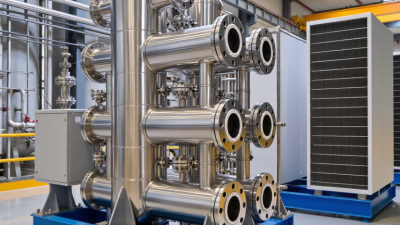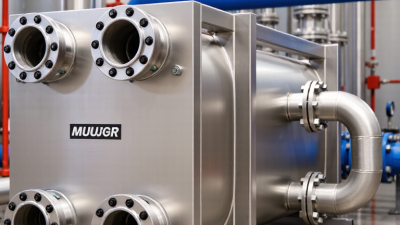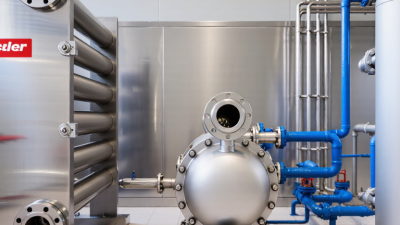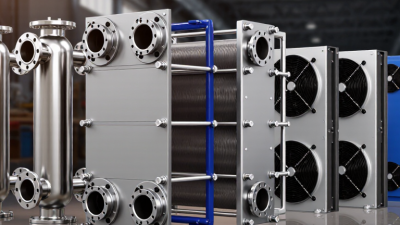
For global buyers, selecting a Bpx Heat Exchanger in 2026 means matching its design to the process, not choosing by nameplate capacity alone. A compact gasketed plate unit may suit frequent cleaning and changing loads. A brazed model can save space, while welded plate and shell-and-tube designs may better fit demanding fluids or higher pressures. Small details matter: channel width, gasket material, port size, and the room available to remove plates during maintenance.
Efficiency deserves close attention. The International Energy Agency’s Energy Efficiency 2024 report estimates that global energy intensity improved by 1.3% in 2023, slower than the roughly 2% annual average recorded from 2010 to 2019. That wider trend makes heat recovery and operating costs practical purchasing concerns, not just technical ideals. The ASHRAE Handbook—HVAC Systems and Equipment (2024) also provides established guidance for evaluating heat-transfer equipment and system conditions. Check those conditions against actual plant data.
Real operating data beats a neat brochure. This guide compares leading BPX heat exchanger types by application, maintainability, pressure and temperature limits, and lifecycle considerations. Buyers should request performance data for their own fluids and fouling conditions, then confirm service access and spare-parts availability with the supplier. A point worth questioning: the lowest quoted price can hide cleaning downtime or a poor fit. The right choice depends on evidence, and sometimes the available evidence is incomplete.
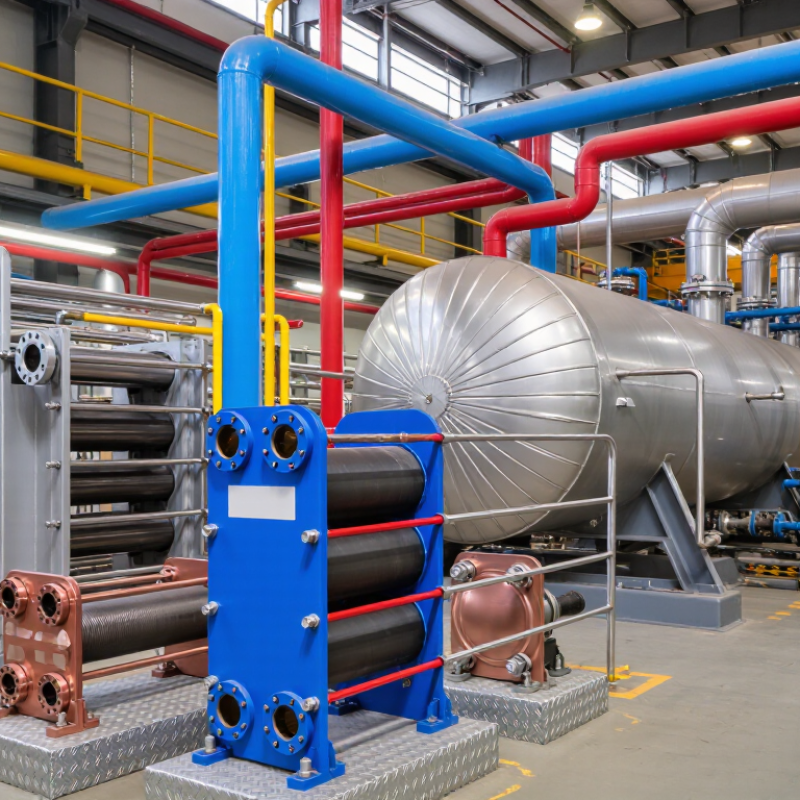
BPX usually refers to a brazed plate heat exchanger: a compact unit built from thin, corrugated metal plates bonded into a sealed pack. The plates form alternating channels, keeping the two fluids apart while allowing heat to pass through the metal. No mixing is intended. The corrugations create turbulence, which improves heat transfer but can also increase pressure drop.
In a typical heating circuit, hot water enters one set of channels while cooler water flows through the next. Counterflow—where the streams move in opposite directions—often maintains a useful temperature difference across the plate pack. Small details matter: flow rate, inlet temperatures, fluid properties, and allowable pressure loss all affect performance. A unit selected only by connection size may disappoint. Check the duty and operating limits.
Brazed construction has no removable gaskets, so routine plate opening is not part of its maintenance. That is convenient, but it also makes internal cleaning less straightforward if deposits build up. Clean, filtered fluid helps. Sometimes, though, site water is less predictable than the design sheet suggests. Check water quality and service access before installation.
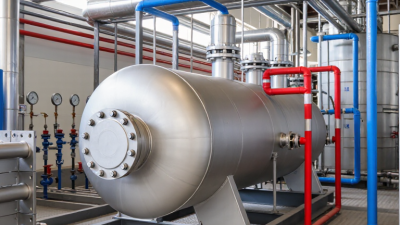
A BPX heat exchanger is built around a compact stack of thin, corrugated metal plates. The plates create alternating channels for hot and cold fluids. Their pattern promotes turbulence, improving heat transfer in a small footprint. The plate pack is brazed, commonly with copper or nickel filler, to seal the channels and hold the assembly together. Port connections guide each fluid into its own circuit. There are no replaceable plate-pack gaskets in a typical brazed design. Small details matter. Plate material, braze alloy, and connection type must suit the fluids, temperatures, and operating pressure.
The International Energy Agency’s The Future of Heat Pumps (2022) reported 13% growth in global heat-pump sales in 2021. That growth makes compact heat exchangers relevant in many heating systems, but it does not guarantee a suitable match. Designers still need to check capacity, pressure drop, and flow conditions against published performance data. AHRI Standard 400 provides a method for rating liquid-to-liquid heat exchangers. Real installations are less tidy: water quality, fouling, and uneven flow can change performance. A BPX unit is also difficult to clean internally, so filtration and sensible maintenance access deserve attention before installation. No unit is perfect.
Typical thermal conductivity of materials used in brazed plate heat exchanger construction
Brazed plate heat exchangers use thin, corrugated metal plates joined by a brazing filler at contact points and around the ports. Stainless steel is commonly used for the plates; copper or nickel may be used as the brazing material, depending on fluid compatibility and operating conditions. Values shown are approximate thermal conductivity at 20°C and are material properties, not a measure of exchanger performance.
Brazed plate heat exchangers use corrugated metal plates joined into a compact, sealed core. Plate design shapes flow, heat transfer, and pressure loss. Chevron plates with steeper corrugations create stronger turbulence, which can improve heat exchange but raise pumping demand. Shallower patterns usually favor lower pressure drop. The trade-off matters.
Some BPX designs use asymmetric channels, with different gaps on each side. They can suit applications where one fluid has a much lower flow rate or different heat-transfer properties. However, the label alone is not enough: actual flow rates, fluid composition, and temperature range should guide selection. Small details matter.
Application-specific designs vary. Refrigeration units commonly handle evaporating or condensing refrigerant, while HVAC and domestic hot-water systems often transfer heat between water circuits. Industrial process duties may involve other fluids and tighter material requirements. Check operating pressure, temperature, and fluid compatibility against the exchanger’s technical data. A plate pattern that works well in a clean water loop may perform differently with viscous or fouling fluids. There is no universal best type; measured operating conditions can challenge early assumptions.
BPX heat exchangers differ most in how they balance capacity, pressure, and fluid compatibility. Gasketed plate units suit larger duties and frequent cleaning; technicians can open the frame and add plates as demand changes. Brazed units are compact, with no gaskets to replace, but their fixed plate count limits later adjustment. Welded designs handle demanding fluids or higher temperatures where elastomers may be unsuitable. Fit matters.
Pressure is not a simple ranking. A brazed unit may tolerate substantial pressure, while a gasketed unit’s limit depends on frame, gasket, and plate design. Check the nameplate and certified operating envelope, including temperature and pressure cycling. AHRI Standard 400 provides a rating framework for liquid-to-liquid heat exchangers, including capacity and pressure-drop performance. Compare ratings at your actual flow rates; catalog capacity alone can mislead.
Compatibility deserves equal attention. Chlorides can damage some stainless-steel plates, while oils, glycol mixtures, or suspended solids may alter heat transfer or raise fouling risk. The U.S. Department of Energy’s process-heating guidance reports that process heating uses about half of U.S. manufacturing energy, underscoring the value of sound thermal selection. Still, a neat selection chart cannot replace fluid analysis. Even experienced buyers sometimes miss seasonal flow changes. Check chemistry, cleanability, and part-load behavior before specifying a type.
For global buyers, evaluating BPX options in 2026 starts with the process, not the catalogue. Record the fluids, flow rates, inlet temperatures, operating pressure, and expected fouling. A unit sized for clean water may perform poorly with viscous or particle-bearing fluids. Small details matter. Ask suppliers to state their design assumptions and provide pressure-drop estimates at normal and peak load.
Compare construction against maintenance needs. Gasketed plate units allow plate access and capacity changes, but gaskets need inspection and eventual replacement. Brazed designs are compact and avoid gasket replacement, yet internal cleaning and repair can be more limited. Welded or semi-welded formats may suit demanding fluids, depending on the materials and service conditions. Check plate material, gasket compatibility, connection sizes, and the availability of replacement parts in the destination market. A low purchase price can be misleading if lead times are long.
Request performance data for the actual operating range, not just a best-case rating. Confirm fouling allowances, cleaning instructions, test requirements, and warranty exclusions in writing. Then compare total ownership costs, including installation, energy use, maintenance, and downtime. One uncertainty often remains: supplier calculations depend on accurate process data. If your measurements are rough, say so and ask what should be verified before ordering. A short technical review can prevent an undersized unit or an awkward retrofit.
Selection guide for brazed plate heat exchangers (BPHEs) and commonly considered alternatives. Actual pressure, temperature, capacity, and fluid limits depend on the specific design, materials, and applicable certification.
| Heat exchanger type | Construction and flow arrangement | Typical applications | Key advantages | Points to evaluate |
|---|---|---|---|---|
| Standard brazed plate | Corrugated stainless-steel plates are brazed together, commonly with copper or nickel-based brazing material. Alternating channels carry the two fluids. | Refrigeration, heat pumps, hydronic heating, cooling, and liquid-to-liquid heat transfer. | Compact, sealed construction with no plate-pack gaskets to replace; often provides high heat-transfer performance in a small footprint. | Check fluid compatibility with both plate and braze materials, design pressure and temperature, connection type, fouling risk, and whether the unit can be cleaned if deposits form. |
| Double-wall brazed plate | Uses paired plates with a leak path between them so a breach can be more readily indicated externally rather than allowing direct cross-contamination. | Potable-water heating and other duties where separation of two fluids is especially important. | Offers an additional means of identifying leakage between fluid circuits. | Confirm the leak-indication arrangement, local potable-water approvals where relevant, allowable operating conditions, and the effect of the design on heat-transfer performance. |
| Asymmetric-channel brazed plate | Uses different channel geometries or flow areas on the two sides to accommodate dissimilar flow rates or fluid properties. | Refrigerant-to-water duties and systems with substantially different volume flow rates on each side. | Can help balance heat transfer and pressure drop when the two circuits have different hydraulic requirements. | Request performance selection using actual fluid properties, temperatures, flow rates, and allowable pressure drops; do not assume a symmetric model is interchangeable. |
| Wide-gap brazed plate | Has wider passages than a conventional compact brazed plate design to accommodate certain fibrous or particle-bearing fluids. | Selected wastewater, biomass, and process duties where the fluid contains suspended material. | Wider channels can reduce blockage risk compared with narrow-channel designs in suitable services. | Check particle size and concentration, fiber content, cleaning strategy, pressure drop, and whether the fluid is suitable for a non-openable exchanger. |
| Multi-circuit brazed plate | A plate pack and port arrangement serve more than two circuits or separate flow paths within one compact assembly, depending on the design. | Refrigeration and heat-pump systems requiring multiple refrigerant or liquid circuits. | Can consolidate heat-transfer duties and reduce the number of separate exchangers and connecting pipes. | Verify circuit separation, port mapping, distribution, serviceability, and the performance of each circuit under part-load conditions. |
| Gasketed plate-and-frame | Plates are clamped in a frame and sealed with replaceable gaskets; the plate pack can generally be opened. | District energy, industrial processes, and applications that require inspection, cleaning, or capacity changes. | Can be opened for mechanical cleaning, and capacity can often be adjusted by changing the plate pack. | Account for gasket compatibility and replacement, frame footprint, maintenance access, and operating limits specified for the selected model. |
| Semi-welded plate | Pairs of plates are welded together on one circuit, while gaskets seal the alternate circuit; the exact arrangement varies by design. | Selected chemical, refrigeration, and process duties where one fluid requires a welded channel and the other benefits from gasketed access. | Combines a welded fluid passage with a serviceable gasketed side in suitable applications. | Confirm material and weld compatibility, gasket suitability, fluid hazard requirements, inspection needs, and applicable pressure-vessel rules. |
| Shell-and-tube | One fluid flows through tubes and the other through the surrounding shell; designs range from fixed-tube-sheet to removable-bundle configurations. | Large industrial duties, high-temperature services, and applications with demanding mechanical or maintenance requirements. | Broad design flexibility; some configurations allow access to tubes for inspection or cleaning. | Compare footprint, weight, thermal performance, corrosion allowance, cleaning access, and lifecycle maintenance against a plate-based option. |
Note: Heat-transfer capacity and operating limits are model-specific. Final selection should be confirmed against the supplier's technical data and the applicable local codes.