Choosing a Heat Exchanger manufacturer is not simply a matter of comparing prices. Buyers need equipment that fits the process, operating conditions, and maintenance plan. A shell-and-tube unit may suit one facility, while a compact plate model may work better where floor space is tight. The right choice depends on heat duty, fluid properties, pressure drop, materials, and access for cleaning. Small details matter.
This guide introduces manufacturers serving global buyers and explains what to examine before requesting a quotation. Look for clear technical datasheets, documented production capabilities, relevant project experience, and responsive engineering support. Ask how suppliers handle material selection, inspection records, spare parts, and service after delivery. These details can affect downtime as much as the equipment itself. They deserve careful review.
A manufacturer’s reputation is useful, but it cannot replace checking a specific design against your operating requirements. Confirm dimensions, connections, temperature limits, and expected performance with qualified engineers. Compare lead times and communication practices, too; a technically sound proposal can still leave important questions unanswered. No supplier is the best fit for every application. This comparison aims to help buyers ask sharper questions, weigh evidence, and shortlist manufacturers with greater confidence. Some specifications may look minor on paper, yet become significant during installation or routine maintenance. That is worth remembering.
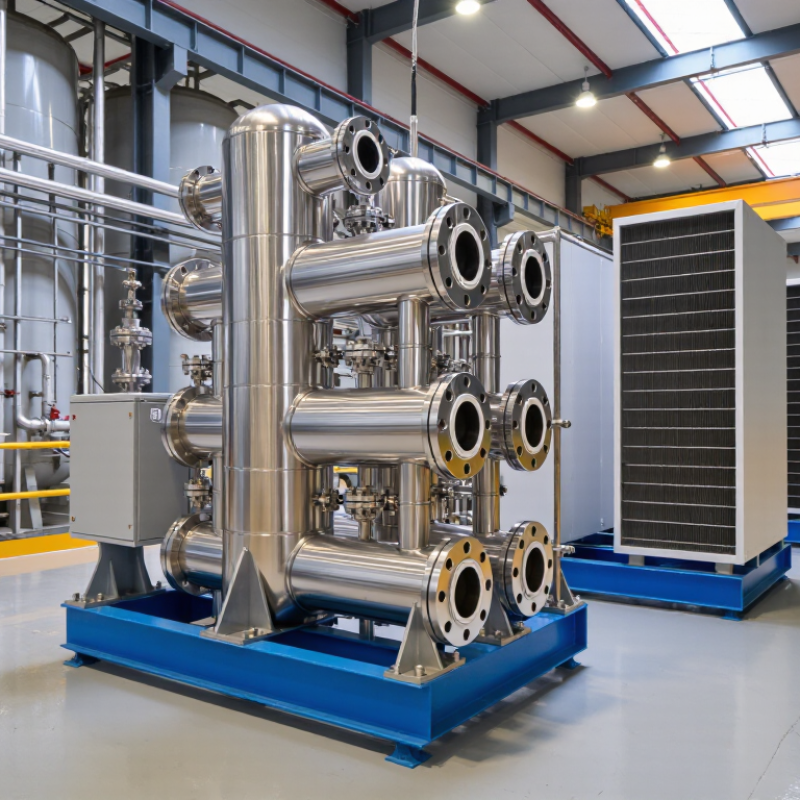
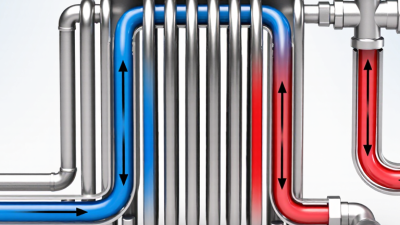
A heat exchanger transfers heat between fluids, often without allowing them to mix. In a shell-and-tube unit, one fluid travels through narrow tubes while another flows around them. Plate exchangers use stacked metal sheets to create compact channels. The right design depends on temperatures, pressure, fluid properties, available space, and cleaning needs. Small details matter. Sticky fluids can foul surfaces, while hard water may leave mineral deposits. Both reduce heat transfer over time.
These systems support many industrial processes. Food plants use them to cool liquids before storage or heat ingredients during production. Chemical facilities recover heat from process streams, and power stations use exchangers in steam and cooling circuits. Building systems rely on them to transfer heat between heating or cooling loops. Operators should track inlet and outlet temperatures, pressure drops, and signs of leakage. Design calculations are useful, but they cannot capture every operating condition. A unit that performs well on paper may need adjustment when flow rates change or deposits build up. Maintenance access deserves attention too; a difficult-to-clean exchanger can become a costly weak point.
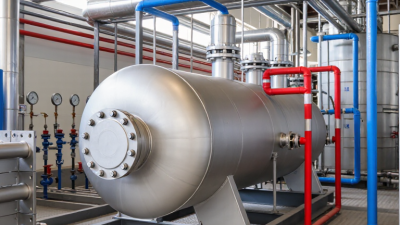
Thermal conductivity indicates how readily a material conducts heat. Copper and aluminum are often used where high heat transfer is important, while stainless steel and titanium may be selected for corrosion resistance in process, marine, or chemical applications. Values shown are approximate and vary by alloy and temperature; material choice also depends on pressure, fluid compatibility, cost, and operating conditions.
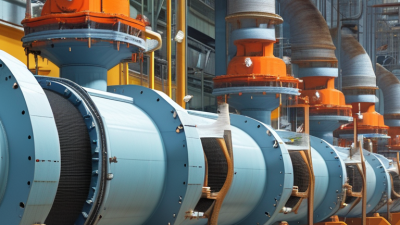
Heat exchangers come in several forms, and each suits different process conditions. Shell-and-tube units place bundles of tubes inside a larger shell. They are common in demanding service, where pressure, temperature, and maintenance access matter. A technician may need to remove a channel cover to inspect the tubes. That detail can affect plant layout as much as the unit’s rated capacity.
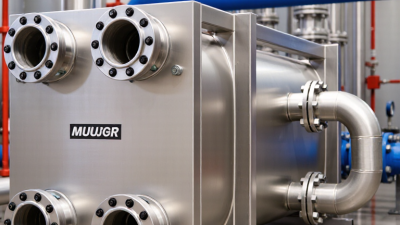
Gasketed plate exchangers stack thin, corrugated metal plates to create alternating fluid passages. Their compact footprint and strong heat transfer can suit food, building, and industrial systems. Gaskets, however, must match the fluid and operating temperature. Brazed or welded plate designs reduce reliance on removable gaskets, though inspection and repair options may differ. Small footprint, real trade-offs.
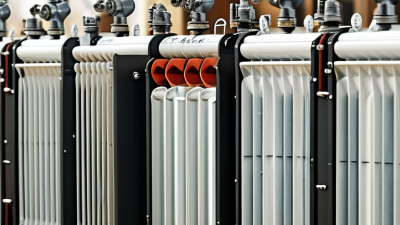
Air-cooled exchangers move ambient air across finned tubes, often with fans. They can reduce reliance on cooling water, but hot weather may limit their performance. Double-pipe units are simpler, with one pipe nested inside another, and can fit modest duties. Spiral designs may handle viscous or solids-bearing fluids, depending on their construction. The categories look tidy on paper. They are not always tidy in a plant: fouling, seasonal conditions, cleaning routines, and spare-parts access can change which design works best. A buyer’s duty data is useful, but field experience should also shape the choice.
Heat exchanger manufacturers often specialize by design, duty, and operating environment. Shell-and-tube specialists serve high-pressure processes and can customize tube materials, pass arrangements, and bundle dimensions. Plate-unit manufacturers focus on compact heat transfer and accessible cleaning, making their equipment useful in food processing and building services. Air-cooled equipment suits sites with limited cooling-water access, while compact brazed units fit space-constrained systems. Each design has limits.
A capable supplier should explain its material choices, test procedures, and maintenance requirements in practical terms. Ask how the unit handles fouling, temperature swings, and expected pressure drop. Request drawings and documented performance data for your actual operating conditions. Details matter.
Tips: Share fluid properties, flow rates, temperatures, and available footprint before comparing quotations. Confirm whether stated performance includes your fouling allowance. A low purchase price may not reflect cleaning labor or replacement-part availability. I would still treat calculated performance as an estimate; real operating conditions can be less tidy than the specification.
Global buyers should compare heat exchanger suppliers against the same duty conditions, not just quoted price. The International Energy Agency’s Energy Efficiency 2023 report puts industry at roughly 37% of global final energy consumption, making thermal performance a meaningful purchasing concern. The U.S. Department of Energy’s Improving Process Heating System Performance sourcebook estimates that process heating uses about 60% of manufacturing energy. These figures do not predict one exchanger’s savings, but they show why verified sizing matters.
Ask suppliers for calculations covering inlet and outlet temperatures, flow rates, pressure drop, fouling allowance, and operating range. Check that material choices match the process fluid and expected corrosion conditions. Request inspection records, pressure-test procedures, and performance guarantees tied to stated test conditions. A polished datasheet is not enough. Compare the proposed design with applicable TEMA or ASME requirements, and clarify who handles commissioning, spare parts, and maintenance support across borders. Ask for references from similar duties, not merely similar industries. One weakness in many evaluations is relying on a single efficiency figure; it can hide cleaning needs or unstable operation. A supplier’s willingness to explain assumptions, limits, and uncertainty is useful evidence of engineering competence.
| Evaluation Dimension | Suggested Weight | What Buyers Should Verify | Strong Evaluation Evidence |
|---|---|---|---|
| Thermal and mechanical design capability | 20% | Confirm that the supplier can design for the specified fluids, flow rates, inlet and outlet temperatures, operating and design pressures, fouling factors, and allowable pressure drop. | A project-specific thermal and mechanical datasheet, stated design assumptions, and calculations or simulation results that can be reviewed against the purchase specification. |
| Product and application fit | 15% | Check whether the proposed type—such as shell-and-tube, plate, air-cooled, or double-pipe—is suitable for the duty, fluid cleanliness, maintenance plan, and site conditions. | A documented selection rationale that addresses process conditions, access for inspection, cleaning method, footprint, and expected operating conditions. |
| Materials and corrosion control | 15% | Verify material grades for tubes, plates, shell, gaskets, and other wetted parts against fluid chemistry, temperature, pressure, and corrosion risks. | Material specifications and traceability documents, plus a clear explanation of material selection and any relevant corrosion or compatibility assumptions. |
| Applicable codes and certifications | 12% | Identify the codes and regulations required for the destination market and application. Depending on the project, these may include ASME Boiler and Pressure Vessel Code Section VIII, the EU Pressure Equipment Directive (PED 2014/68/EU), or API 660 for applicable shell-and-tube exchangers. | Valid certificates and declarations where required, clearly stated code editions and scope, and design documentation aligned with the project specification. |
| Quality assurance and inspection | 12% | Review the quality plan, inspection and test plan, welding controls, non-destructive examination scope, pressure-testing procedure, and management of nonconformities. | Project-specific inspection records and test documentation, with agreed inspection hold points and access for the buyer or its appointed inspector. |
| Manufacturing capacity and delivery | 10% | Assess whether production capacity, critical material availability, workload, and logistics can support the required delivery schedule and shipment destination. | A credible project schedule with design, material procurement, fabrication, testing, and shipping milestones, plus timely notice of schedule risks. |
| Operating efficiency and lifecycle cost | 8% | Compare expected heat-transfer performance, pressure drop, cleaning frequency, maintenance requirements, spare parts, and energy use over the intended operating life. | A transparent technical and commercial comparison based on the same design duty and stated assumptions, rather than purchase price alone. |
| Documentation and export readiness | 4% | Confirm the required language, document format, shipping terms, export paperwork, packaging, and delivery requirements for the destination country. | An agreed document register covering drawings, manuals, certificates, test records, packing information, and shipment documents. |
| Warranty and after-sales support | 4% | Clarify warranty scope and duration, response process, technical support availability, replacement-part lead times, and responsibilities for troubleshooting. | Written warranty terms, defined support contacts and response expectations, and a practical plan for service and parts after commissioning. |
Scoring guide: Score each dimension from 1 (insufficient evidence) to 5 (fully demonstrated), then apply the suggested weight. Weights are a starting point; buyers should adjust them to the application, destination-market requirements, and project risk.
For global buyers, standards are more than paperwork. The International Energy Agency’s Energy Efficiency 2023 report says industry used about 37% of global energy in 2022. That scale makes exchanger efficiency, durability, and maintainability meaningful purchasing criteria. Ask suppliers to state performance at defined inlet temperatures, flow rates, and fluid properties—not just a headline efficiency figure.
Check pressure ratings, materials, corrosion allowances, and test records against the intended service. ASME Section VIII and EN 13445 are common pressure-vessel frameworks, but they are not interchangeable. Confirm which code and inspection route apply to the destination and project. ISO 9001 can indicate a quality-management system; it does not, by itself, prove a unit will meet process duty. Details matter.
After-sales support should be specific. Request spare-part lead times, cleaning guidance, warranty boundaries, and a named technical contact before placing an order. A realistic service plan may include gasket availability and instructions for opening the unit without damaging plate surfaces. Even with complete certificates, I would still question assumptions about local water quality and fouling. That part is easy to overlook—and hard to correct after installation.