How to Choose the Right Heat Exchanger for Your Needs?
Choosing the right heat exchanger is critical for effective thermal management. These devices transfer heat between two or more fluids. Selecting the appropriate heat exchanger can significantly impact efficiency and operational costs. Many factors influence this decision, including fluid type, temperature requirements, and space limitations.
Understanding your specific needs is essential. For example, consider whether you require compact designs or higher heat transfer rates. Different applications demand various heat exchanger configurations. Mistakes in selection can lead to inadequate cooling or heating, resulting in costly downtime.
Evaluating options can be overwhelming. Manufacturers offer diverse types, such as shell and tube or plate heat exchangers. Their features can vary greatly. Therefore, conducting thorough research and consulting experts will lead to the best choice for your system. Balancing performance with your unique challenges is key.
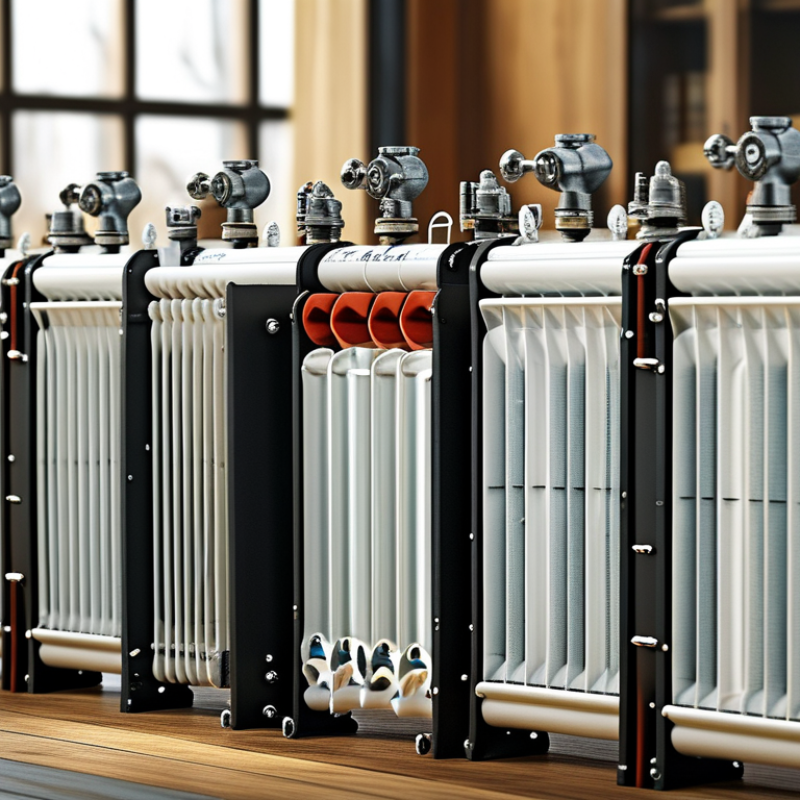
Understanding Heat Exchanger Types: Air-cooled vs. Water-cooled Models
When selecting heat exchangers, understanding the differences between air-cooled and water-cooled models is crucial.
Air-cooled heat exchangers utilize ambient air for cooling. They are typically more compact and easier to install. However, they are also less efficient in high-temperature environments.
According to a 2022 industry report, air-cooled units can have an efficiency drop of around 20% above 95°F (35°C). This inefficiency can severely impact your operations.
Water-cooled heat exchangers, on the other hand, use water as a cooling medium. They generally offer higher efficiency and better thermal conductivity.
A study published in 2023 revealed that water-cooled systems can achieve up to 30% better heat exchange efficiency compared to air-cooled models.
However, they require a reliable water supply and consistent maintenance. Issues like water quality can pose significant problems over time.
Each type has its drawbacks. Air-cooled models are less affected by water quality but face efficiency challenges.
Water-cooled systems excel in efficiency but may demand more resources for maintenance and installation.
It’s essential to evaluate your specific needs and conditions before making a final decision.
Key Performance Metrics: Efficiency, Capacity, and Pressure Drop Considerations
When selecting a heat exchanger, efficiency plays a crucial role. It determines how well the device transfers heat between fluids. A higher efficiency means more effective heating or cooling, which can lead to energy savings. However, keep in mind that achieving maximum efficiency often involves trade-offs. For example, you may need to invest more in advanced materials or designs, which can increase initial costs.
Capacity is another critical metric. It defines the amount of heat that can be transferred in a given time. A heat exchanger must be adequately sized for its application. Oversizing can lead to inefficiency and increased operational costs. Conversely, undersizing can result in performance issues and inadequate heating or cooling. You need to carefully assess your system's requirements.
Pressure drop considerations cannot be ignored. Each heat exchanger design introduces some resistance to fluid flow. This pressure drop can affect the overall system performance. Selecting a heat exchanger with an acceptable pressure drop is essential for maintaining efficiency. Reducing the pressure drop often requires design changes, which should be evaluated for their impact on cost and performance. Balancing these factors is key to making an informed decision.
Materials Selection: Corrosion Resistance and Thermal Conductivity Importance
When selecting a heat exchanger, understanding materials is crucial. Corrosion resistance is vital, especially in aggressive environments. Corrosive substances can degrade materials over time. This leads to reduced efficiency and increased maintenance costs. Choosing the right materials can mitigate these impacts significantly.
Thermal conductivity also plays a key role in selection. The right material enhances heat transfer efficiency. Metals like copper and aluminum are often preferred. They conduct heat well, ensuring optimal performance. However, some situations may require exotic alloys for durability. We must weigh performance against cost and longevity carefully.
Balancing these factors is challenging. Different projects demand various characteristics. It's essential to assess the specific requirements of each application. Regularly re-evaluating material choices keeps systems optimal. Recognizing limitations in current selections may lead to better outcomes. This ongoing process enriches knowledge and addresses issues effectively.
Application Suitability: Matching Heat Exchangers to Industry Requirements
Choosing the right heat exchanger involves understanding specific application requirements. Industries like chemical processing, HVAC, and food production have distinct needs. For instance, in chemical processing, corrosion resistance is crucial due to aggressive fluids. According to a 2022 industry report, nearly 35% of heat exchanger failures result from material incompatibility. Selecting the right materials can significantly extend service life.
Thermal efficiency also varies with application type. In HVAC, for example, an efficiency rating of 90% is often desired to optimize energy use. A 2023 survey indicates that businesses achieving these efficiency levels saw energy cost reductions of up to 25%. However, achieving such performance can necessitate deeper analysis and more upfront investment—a point often overlooked in the selection process.
Moreover, installation and maintenance requirements can differ remarkably. Some heat exchangers require professional installation for optimal performance. Companies may underestimate the need for regular maintenance, leading to reduced efficiency and unexpected downtime. Regular inspection can prevent severe issues, as shown in data from a 2021 mechanical reliability study, which found that lack of monitoring raised failure incidents by 40%.
Cost-Benefit Analysis: Evaluating Installation and Maintenance Expenses
When selecting a heat exchanger, it's crucial to conduct a thorough cost-benefit analysis. Installation and maintenance expenses can significantly impact your overall budget. Understanding these costs will help you make an informed decision. Aim for an efficient unit that balances initial investment with long-term savings.
Consider the installation costs carefully. Factors like labor, site preparation, and necessary upgrades can influence the final price. Sometimes, opting for a simpler design can reduce these expenses. It’s wise to gather quotes from multiple contractors.
Maintenance costs are another critical aspect. Frequent servicing of complex systems could lead to higher long-term expenses. A reliable exchanger might have a higher upfront cost yet prove economical down the line. Regular maintenance is essential, but the right choice can minimize it.
Tips: Look for units that offer user-friendly design features. This can ease maintenance tasks and reduce downtime. Also, always factor in energy efficiency. Higher efficiency can lead to lower utility bills, making it a worthy investment.
How to Choose the Right Heat Exchanger for Your Needs? - Cost-Benefit Analysis: Evaluating Installation and Maintenance Expenses
| Type of Heat Exchanger |
Initial Cost ($) |
Installation Cost ($) |
Annual Maintenance Cost ($) |
Lifespan (Years) |
Efficiency (%) |
| Shell and Tube |
3,000 |
1,000 |
200 |
15 |
85 |
| Plate |
2,500 |
800 |
150 |
10 |
90 |
| Air-Cooled |
4,000 |
1,500 |
300 |
20 |
80 |
| Fin Tube |
3,500 |
1,200 |
250 |
12 |
88 |
| Double-Pipe |
1,800 |
600 |
100 |
8 |
75 |