Leave Your Message

2026 Top Mueller Heat Exchanger Types for Global Buyers?

Choosing the right Mueller Heat Exchanger in 2026 requires more than comparing catalog prices. Global buyers must examine thermal duty, fluid chemistry, pressure ratings, footprint, and maintenance access. A dairy processor may need a hygienic plate exchanger with polished surfaces and reliable gasket control. A refrigeration plant may require a compact shell-and-tube design for high-pressure service. The best option depends on operating reality.

Details matter.

This guide introduces leading Mueller Heat Exchanger types for international applications, including plate, shell-and-tube, scraped-surface, and specialized hygienic models. Each type offers different advantages in heat transfer efficiency, cleaning speed, durability, and installation flexibility. Buyers should review certified performance data, material grades, connection standards, and local service support before placing an order. A stainless-steel unit can look ideal on paper, yet an unsuitable gasket may fail under aggressive chemicals or repeated temperature cycling.

Real projects often reveal overlooked issues. Cramped plant rooms can make inspection difficult. Hard water can increase fouling. Seasonal production can change the required capacity. No single ranking is perfect. Therefore, this overview balances technical specifications with field-oriented considerations, helping engineers, distributors, and procurement teams build a more dependable shortlist. Readers should still confirm current documentation directly with authorized manufacturers or qualified specialists. Availability, certifications, and product configurations may vary by region and application.
2026 Top Mueller Heat Exchanger Types for Global Buyers?

Mueller Heat Exchanger Families: 4 Core Designs for 2026 Buyers

2026 Heat Exchanger Families: Four Core Designs for Global Buyers
In 2026, buyers can evaluate four core heat exchanger families for different process demands. These include gasketed plate, welded plate, shell-and-tube, and scraped-surface designs. Each design controls heat transfer differently. The choice is not always obvious. That matters.

Gasketed plate units suit clean liquids, compact layouts, and frequent maintenance. They open quickly and allow plates to be added when capacity grows.

Welded plate units handle higher temperatures and selected aggressive fluids. However, inspection and repair can require specialist procedures.

Shell-and-tube exchangers remain dependable for steam, oil, gas, and high-pressure duties. Their larger footprint may challenge small plants. It is forgiving.

Scraped-surface exchangers support viscous products, suspended solids, or fluids that foul easily. Internal blades keep material moving across the heat-transfer surface. Cleaning is active.
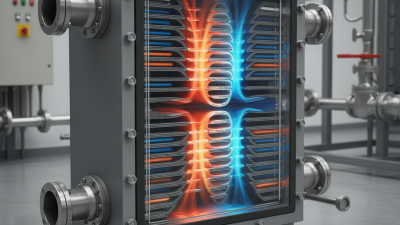
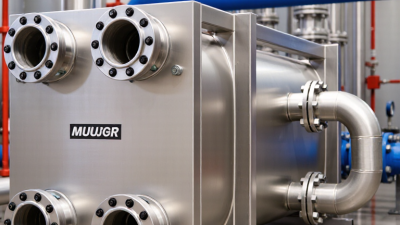
Buyers should compare flow rates, pressure loss, temperature approach, metallurgy, and cleaning methods. Request certified pressure data and clear service limits before approval. A small mismatch can create expensive downtime. Perfect selection is rare. Recheck assumptions.

Plate-and-Frame Units: 80–90% Smaller Footprints and 3-A Sanitation

Plate-and-Frame Units: 80–90% Smaller Footprints and 3-A Sanitation

Plate-and-frame heat exchangers can reduce installation space by 80–90% compared with many shell-and-tube designs, according to engineering data published across the process equipment sector. Their thin, corrugated plates create high turbulence, improving heat transfer within a compact frame. A dairy plant may fit the unit beside a filling line, rather than extending the process room. That matters.

Recent market analysis from Grand View Research valued the global heat exchanger market at approximately USD 19.9 billion in 2023, reflecting strong demand for efficient thermal systems. However, compactness alone does not guarantee hygienic performance. Buyers should inspect gasket materials, plate surface finish, drainability, and connection design. Small details decide cleanability.

3-A Sanitary Standards emphasize cleanable product-contact surfaces, suitable materials, and hygienic construction. EHEDG guidance also supports designs that reduce stagnant zones and improve cleaning validation. In practice, operators should confirm CIP flow velocity, temperature records, chemical compatibility, and gasket replacement intervals. A polished plate is not enough. Some suppliers advertise 80–90% space savings, but actual results depend on duty, fouling, access clearance, and service layout. That figure needs checking. A credible specification should include pressure-drop calculations, thermal performance data, hygienic certificates, and documented factory testing.

2026 Top Mueller Heat Exchanger Types for Global Buyers

Plate-and-frame units can deliver approximately 80–90% smaller equipment footprints than conventional shell-and-tube designs in comparable heat-transfer duties, while their cleanable construction supports hygienic processing requirements.

Relative footprint index uses a conventional shell-and-tube unit as the 100-point reference. The 10–20 point range for plate-and-frame equipment represents an 80–90% footprint reduction; actual results vary with duty, pressure, temperature, materials, and service clearances. Plate-and-frame designs are also commonly selected for hygienic applications requiring frequent inspection and cleaning.

Shell-and-Tube Models: TEMA Classes, 316L Options, and ASME VIII

Shell-and-tube heat exchangers remain a practical choice for 2026 industrial projects. They handle steam, cooling water, hydrocarbons, and other process fluids. A fixed-tubesheet design suits clean services with limited temperature movement. Floating-head construction allows easier bundle cleaning and thermal expansion. U-tube bundles reduce stress, but tube-side cleaning becomes less convenient. The correct model depends on fouling, pressure, temperature, and maintenance access.

TEMA classes should match the operating duty, not only the purchase price. Review channel covers, tube sheets, expansion joints, and removable bundles carefully. For corrosive services, 316L stainless steel can improve resistance against many process environments. Still, chloride-rich water may cause pitting under poor conditions. Material certificates, weld records, and passivation evidence deserve close review. 316L is not a universal corrosion solution.

ASME Section VIII design supports pressure-vessel safety when applied by qualified engineers. A compliant exchanger needs documented design calculations, inspection plans, and traceable materials. Ask for design pressure, test pressure, metal temperature, and corrosion allowance. Third-party inspection can strengthen confidence, especially for unfamiliar suppliers. Specify nozzle orientation and lifting points before fabrication. One practical weakness is often overlooked: early drawings may ignore cleaning space. That mistake can delay maintenance and raise lifecycle costs. Buyers should also verify local registration and site requirements before shipment.

Scraped-Surface Designs: 0.5–2 mm Gaps for Viscous Food Products

For global buyers in 2026, scraped-surface heat exchangers deserve close attention. Their 0.5–2 mm blade-to-wall gaps create strong product movement. This helps process viscous foods such as fruit fillings, sauces, dairy concentrates, and nut pastes.

The narrow gap reduces stagnant zones. Scraping also limits product burning on heated surfaces. That matters when a sauce contains sugar, protein, or suspended particles. The U.S. Department of Energy reports that process heating represents about 60% of industrial energy use in American manufacturing. Better heat transfer can therefore influence operating costs, not just product quality. FAO’s 2023 food-loss reporting also highlights the importance of reducing avoidable losses across food supply chains. A scraped-surface design may support this goal by reducing fouling and product hold-up. Still, performance depends heavily on viscosity, rotor speed, temperature, and cleaning practice. A smaller gap is not automatically better.

Tips: Request measured heat-transfer data at your actual viscosity. Check the 0.5–2 mm gap under operating conditions, not only in brochures. Ask for hygienic weld details, seal-life data, and cleaning validation records. Confirm whether the scraper material suits acidic or abrasive recipes. Pilot testing is wise.

Some buyers focus too much on throughput. That can be misleading. A unit handling 5,000 kilograms per hour with unstable temperature control may waste more product than a smaller, steadier system. Pressure drop, maintenance access, and spare-part availability should enter the purchase decision. Industry reports provide useful benchmarks, but factory trials reveal the uncomfortable details.

2026 Top Mueller Heat Exchanger Types for Global Buyers? - Scraped-Surface Designs: 0.5–2 mm Gaps for Viscous Food Products

A practical comparison of generic scraped-surface heat exchanger configurations used for viscous, particulate, crystallizing, and heat-sensitive food products.

Generic scraped-surface heat exchanger designs for global food-processing applications
Exchanger type Typical product duty Typical scraping gap Product characteristics Common heat-transfer duty Key buyer consideration Typical cleaning approach
Jacketed scraped-surface tubular exchanger Sauces, fruit preparations, fillings, dairy mixes, and emulsions 0.5–2.0 mm Viscous, shear-sensitive, or moderately particulate products Heating, cooling, holding, and controlled crystallization Balance product residence time, rotor speed, and particle clearance CIP with validated alkaline and acid cycles; inspect scraper wear
Coaxial scraped-surface exchanger Chocolate compounds, fat-based creams, margarine, and confectionery masses 0.5–1.5 mm High-viscosity products that may foul or solidify on heat-transfer surfaces Heating, cooling, and tempering Confirm compatible surface finish, seal materials, and temperature control Warm-water pre-rinse followed by product-compatible detergent cleaning
Concentric-tube scraped-surface exchanger Tomato products, concentrated fruit bases, syrups, and dense dressings 0.8–2.0 mm Thick liquids with suspended solids or a tendency to form deposits Pasteurization, cooling, and viscosity adjustment Specify particle size, pressure drop, and hygienic drainability CIP or COP, depending on disassembly requirements and product residue
Annular scraped-surface exchanger Custards, mayonnaise-type emulsions, creams, and processed cheese sauces 0.5–1.8 mm Non-Newtonian products with yield stress and temperature-dependent viscosity Rapid heating or cooling with reduced wall fouling Match rotor geometry to shear sensitivity and desired texture Validated CIP with attention to rotor, seal, and scraper interfaces
Vertical scraped-surface crystallizer Ice cream mixes, frozen desserts, fats, and crystallizing formulations 0.5–1.5 mm Products requiring controlled nucleation, crystal growth, or freezing Freezing, chilling, and crystallization Evaluate refrigeration load, residence-time distribution, and product shear CIP followed by sanitation; freezing systems may require specialized procedures
Horizontal scraped-surface exchanger Yeast suspensions, fermented products, gels, and particulate sauces 1.0–2.0 mm Products needing gentle conveying and continuous surface renewal Heating, cooling, holding, and product conditioning Check installation footprint, drainage, and solids-handling capability CIP where validated; manual access may be required for difficult residues
Engineering note: Scraping gaps are application-dependent design ranges rather than universal specifications. Final selection should be verified against viscosity, particle size, shear sensitivity, fouling tendency, temperature profile, pressure drop, hygienic requirements, and validated cleaning procedures.

Global Selection Matrix: 1–3 bar Pressure Drop, CIP, and EHEDG Criteria

For global buyers, heat exchanger selection should start with the 1–3 bar pressure-drop window. Plate-and-frame units often deliver high heat-transfer efficiency within this range. They suit liquid-to-liquid duties and compact skids. However, narrow channels can increase fouling risk when solids or viscous fluids enter the process. Shell-and-tube designs offer greater tolerance, though they usually require more installation space. The International Energy Agency identifies industrial heat recovery as a major efficiency opportunity, but actual savings depend on temperature, flow stability, and maintenance quality (IEA, Energy Efficiency 2023).

CIP changes the decision. A hygienic plate unit needs full drainage, suitable gasket materials, and verified flow velocity. A practical design should document cleaning temperature, chemical concentration, contact time, and rinse conductivity. EHEDG guidance emphasizes hygienic geometry, weld quality, drainability, and avoidance of dead legs (EHEDG Guideline 8). Scraped-surface exchangers can handle sticky products, but their moving parts add inspection points. That trade-off is easy to underestimate.

The matrix is not perfect.

For low-viscosity fluids, select plate-and-frame construction when CIP coverage is proven and the pressure drop remains below 3 bar. For larger temperature differences or rougher service, shell-and-tube equipment may be safer. Research on the global heat exchanger market shows steady demand growth, driven by process efficiency and decarbonization projects (Grand View Research, 2024). Still, a market forecast cannot replace a factory trial. Buyers should request pressure-drop curves at actual viscosity, CIP validation records, surface-finish data, and EHEDG-related design evidence before approval.