Leave Your Message

10 Heat Exchanger Buying Tips for Global Buyers

Buying a Heat Exchanger for international operations is rarely a simple price comparison. Performance depends on duty, fluid properties, pressure, temperature, materials, and maintenance access. A unit that works well in a clean laboratory may struggle with mineral deposits, seasonal temperature changes, or limited water quality at a remote plant.

Real purchasing experience shows that small specification gaps can create expensive problems. A missing gasket detail may delay commissioning. An underestimated fouling factor may reduce heat transfer within months. Check the thermal calculation carefully. Then question its assumptions. Flow rates, operating temperatures, corrosion risks, and future capacity should match actual conditions, not optimistic estimates.

Global buyers also need reliable evidence. Review manufacturer experience, quality-control records, material certificates, test reports, and references from similar industries. Confirm applicable standards and inspection requirements before production begins. Certification alone is not enough. Documentation must be clear, current, and traceable.

Logistics deserve equal attention. Measure the shipping package, lifting points, spare parts, and site access. Ask how the supplier handles leaks, damaged components, and urgent technical support across time zones. Response time matters.

No buyer gets every decision right.

That is worth admitting.

The following ten Heat Exchanger buying tips focus on practical checks that reduce technical, financial, and operational risk. They are designed to support better questions, stronger supplier comparisons, and more dependable long-term results. Some recommendations may require adjustment for your process, because actual operating conditions can differ from the original design brief.
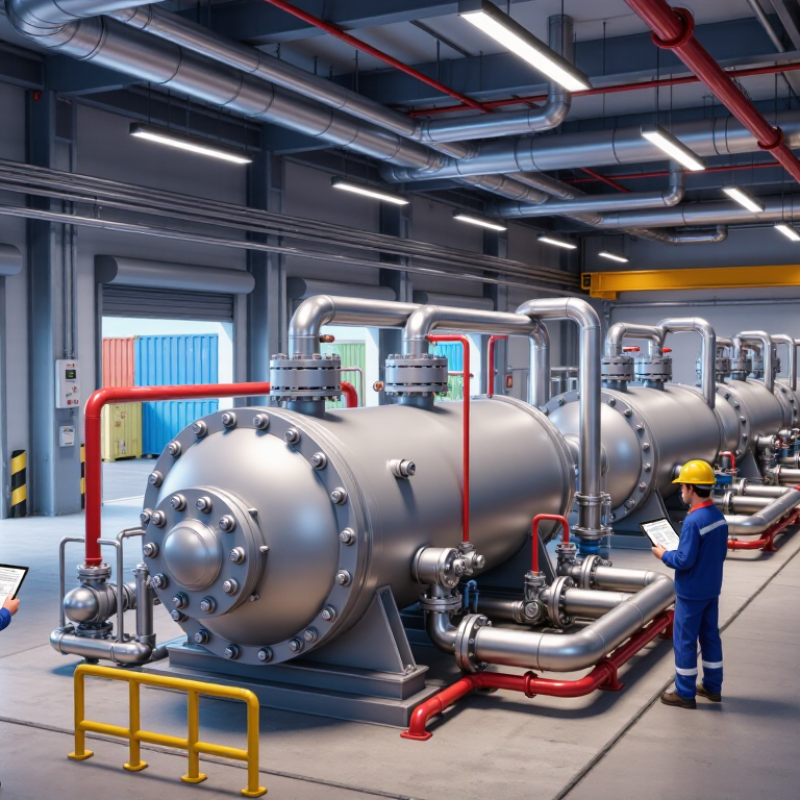
10 Heat Exchanger Buying Tips for Global Buyers

Define the Heat Exchanger Type and Application Requirements

10 Heat Exchanger Buying Tips for Global Buyers

Define the Heat Exchanger Type and Application Requirements

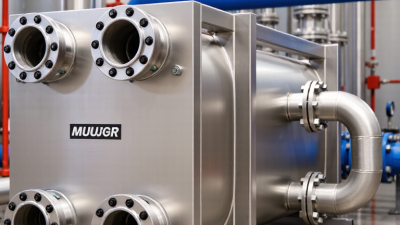
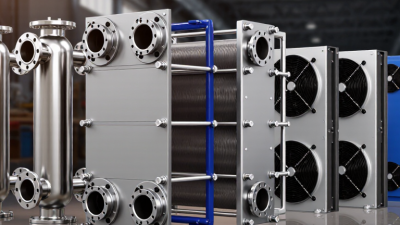
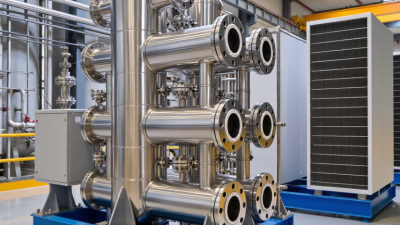
Start with the process, not the catalogue. Record fluid names, flow rates, inlet and outlet temperatures, operating pressure, and expected pressure drop. Then identify the duty: heating, cooling, condensing, evaporating, or heat recovery. This prevents a common mistake: choosing a compact plate exchanger where suspended solids require wider channels. Shell-and-tube units often suit high pressure and dirty services, while plate units can offer strong heat transfer in cleaner applications. Air-cooled designs may reduce water demand, but they need sufficient ambient airflow and space.

The U.S. Department of Energy reports that industrial waste heat can represent 20–50% of energy input. That makes recovery potential worth measuring before purchase. The IEA’s Energy Efficiency 2023 report identifies industry as using about 37% of global final energy. Small design errors can become expensive. Assess fouling tendency, corrosion risk, cleaning access, and seasonal temperature changes. Include start-up conditions, not only normal operation. Real plants rarely behave perfectly.

Specify materials through documented compatibility checks. Confirm gasket, tube, plate, and frame materials against both fluids and temperature. Request thermal calculations, pressure-test records, and applicable design-code compliance. A supplier should explain assumptions, not hide them. Consider lifecycle cost, spare parts, inspection intervals, and local service capability. I would also challenge the first sizing result; a second review often reveals unrealistic fouling factors or overlooked peak loads.

Compare Thermal Performance, Materials, and Design Specifications

Heat Exchanger Buying Tips for Global Buyers

Thermal performance should be judged from operating data, not catalogue ratings alone. Compare heat duty, inlet and outlet temperatures, flow rates, pressure drop, and fouling resistance. A unit may show excellent efficiency under clean conditions but perform poorly after months of deposits. Ask for test conditions and calculation assumptions. Small details matter.

Tip 1: Check whether the quoted heat-transfer coefficient matches your actual fluid properties.

Viscosity, solids, gas content, and changing flow rates can alter performance significantly. Request a thermal calculation based on your lowest expected flow and highest fouling risk. Oversizing can reduce velocity and create more deposits, which seems counterintuitive.

Material selection must reflect chemistry, temperature, pressure, and maintenance practices. Stainless steel may suit many applications, but chloride-rich water can still create corrosion problems. Copper alloys transfer heat effectively, yet they may be unsuitable for certain process fluids. Gaskets also deserve attention. Their temperature range, chemical resistance, and replacement availability affect long-term reliability.

Tip 2: Compare the full material specification, including plates or tubes, headers, welds, gaskets, and surface treatment.

Do not compare only the main metal grade. Design details influence service life and operating cost. Consider removable covers, cleaning access, spare parts, and local technical support. These features often matter after installation, not during purchasing.

Tip 3: Review pressure-drop limits on both sides.

A compact design can save space but require more pumping energy. Ask for drawings showing connections, inspection clearance, drainage points, and lifting requirements. Some specifications look complete until maintenance begins. Salt content and seasonal temperature changes should also be included in the design review.

Evaluate Supplier Quality, Certifications, and Customization Options

Buying a heat exchanger globally requires more than comparing quoted capacity and delivery dates. Supplier quality appears in small details, such as weld records, tube alignment, and protective packaging. Ask for material certificates, inspection plans, and traceability from raw material to final unit. Request recent test reports, including hydrostatic, leak, and performance tests where applicable. A factory audit can reveal calibration gaps that documents never show. Check whether technicians follow controlled procedures. Do not rely on photographs alone.

Certifications should match the exchanger’s design, location, and service conditions. Verify certificate numbers directly with the issuing body when possible. Review quality-system certification, welding qualifications, pressure-equipment compliance, and material standards required in the destination market. A certificate is useful only when its scope covers your product. Ask who approves design changes and how nonconforming parts are recorded. These answers indicate process maturity. They also expose weak communication.

Customization may involve metallurgy, tube diameter, fouling allowance, nozzle orientation, or removable bundles. Send operating data, not just a target heat-duty figure. Include fluids, flow rates, temperatures, pressure, corrosion risks, and cleaning method. Request a signed drawing before production starts. A small nozzle mismatch can delay installation and create expensive site work. It is tempting to accept the lowest bid. I would challenge that habit when testing, documentation, or after-sales response remains vague.

Calculate Total Ownership Costs, Delivery Terms, and Maintenance Needs

A heat exchanger’s purchase price rarely reflects its real cost.
Calculate total ownership costs before comparing quotations. Include energy use, installation, insulation, spare parts, inspections, cleaning, and disposal. A cheaper unit may create higher pumping costs if its pressure drop is excessive. Request performance data at actual flow rates and temperatures, not ideal laboratory conditions.

Delivery terms deserve equal attention. Clarify the agreed Incoterm, insurance responsibility, export documents, customs charges, and unloading equipment. Confirm the delivery point in writing. “Delivered” can still leave your team paying for port storage or local transport. Ask for a realistic production schedule, including testing and packing time. Delays happen. Planning only for the promised date is a common purchasing mistake.

Maintenance needs should be discussed with the people who will operate the equipment.
Check whether plates, gaskets, tubes, or seals can be replaced locally. Review cleaning methods, inspection intervals, and required tools. A compact design may save space but make internal access difficult. That trade-off matters. Keep records of fouling, vibration, temperature differences, and repair hours after installation. Field data often exposes assumptions that looked reasonable during procurement. Some estimates will be wrong. Revise the cost model when operating conditions change.

Verify Testing, Warranty Coverage, and Long-Term Service Support

10 Heat Exchanger Buying Tips for Global Buyers

Verify performance before comparing prices. Request factory test reports showing heat-transfer capacity, pressure drop, leakage results, and operating temperatures. Ask whether an independent inspector witnessed the tests. Check that the testing method matches your process conditions, not only laboratory conditions. Small differences matter. Review plate, tube, gasket, and welding materials against the fluid chemistry. Confirm pressure ratings for both sides. Ask for calibration records and serial-number traceability. These details support reliable purchasing decisions.

Warranty language deserves careful attention. Confirm the coverage period, starting date, and included components. Some warranties cover only manufacturing defects, while excluding installation errors, fouling, corrosion, or unsuitable water treatment. Ask who pays for labor, shipping, inspection, and replacement parts. Request written procedures for making a claim. A long warranty can still be weak if response times remain unclear. Read every exclusion.

Long-term service should be discussed before the purchase order. Ask about local technicians, spare-gasket availability, cleaning guidance, and emergency response. Request maintenance intervals based on your actual duty cycle. Confirm whether technical support continues after the warranty expires. Keep drawings, test records, and maintenance logs in one accessible file. In practice, buyers sometimes focus too heavily on initial efficiency. I have seen overlooked service delays create larger operating costs later. That lesson is worth revisiting. A dependable supplier should answer difficult questions clearly, even when the answer is inconvenient.