Choosing among the 2026 Top Bpx Heat Exchanger Manufacturers Worldwide requires more than comparing catalog prices. A credible review should examine thermal performance, manufacturing experience, material quality, testing systems, and after-sales support. It should also distinguish genuine engineering capability from attractive marketing language.
Dr. Ramesh K. Shah, a respected heat-transfer researcher, has expressed a practical principle: “Heat exchanger performance depends on both design quality and operating conditions.” This idea guides the evaluation in this article. A compact unit may look efficient on paper, yet fouling, pressure drop, vibration, and difficult maintenance can reduce its real value. Field evidence matters.
The assessment will consider manufacturers serving chemical processing, food production, power generation, refrigeration, and energy projects. It will review plate, shell-and-tube, brazed, and customized Bpx Heat Exchanger solutions. Important details include stainless-steel grades, gasket durability, leak testing, thermal design software, and delivery consistency. Factory photographs and test records can reveal more than polished brochures.
Some rankings remain imperfect. Public data is not equally available across regions. Customer feedback may also reflect one project rather than a full production history. That limitation deserves attention. Even so, comparing verified certifications, published specifications, project experience, and technical responsiveness can produce a more dependable shortlist. Buyers should still request current drawings, performance guarantees, and maintenance requirements before making a final decision. A low price may hide future cleaning costs. Reliability is measured in operation, not promises.
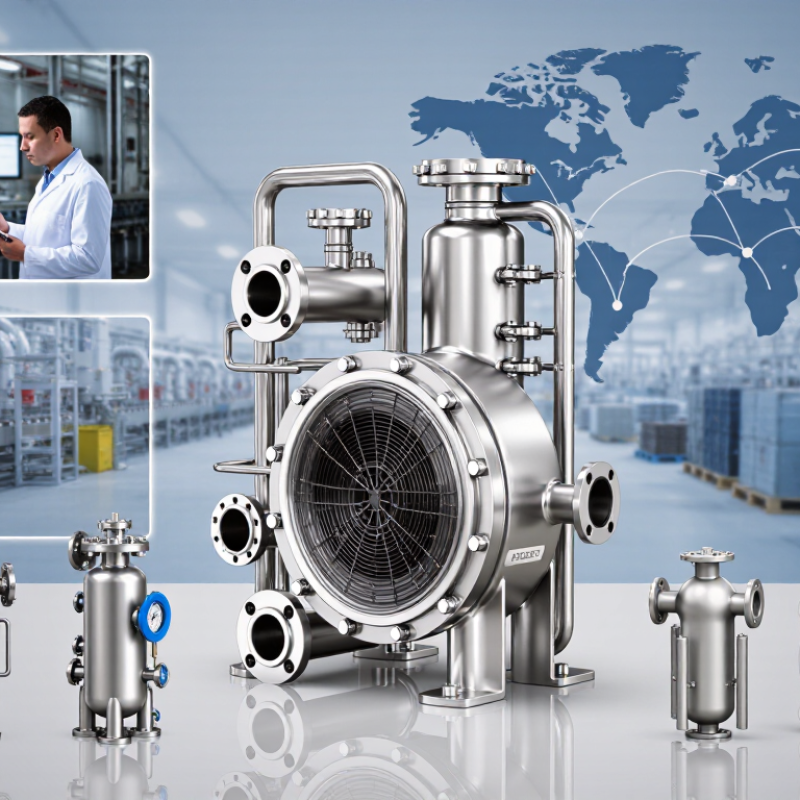
Definition and Working Principles of BPX Heat Exchangers
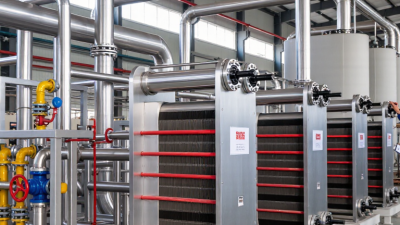
In this article, BPX means a brazed plate heat exchanger. It uses thin, corrugated metal plates joined at contact points. These plates form alternating hot and cold fluid channels. Heat passes through the plates, while the fluids remain separated. Counter-current flow usually improves temperature transfer. The unit is compact, but its limits matter. Pressure, temperature, fluid chemistry, and plate material must match the application.
The IEA’s Energy Efficiency 2023 report states that buildings consume about 30% of global final energy. Efficient heat recovery therefore has practical value in heating, cooling, and hot-water systems. The U.S. Department of Energy reports that industrial waste heat can represent 20% to 50% of energy input, depending on the sector. BPX equipment can recover part of this energy, but results depend on flow balance and operating conditions. A smaller exchanger is not automatically better. That assumption deserves review.
Tips: Check pressure drop before selecting the unit. Install strainers where particles may enter. Hard water can create scale on plate surfaces. Regular temperature readings can reveal fouling early. Never trust catalogue efficiency without testing actual flow rates. My practical caution is simple: laboratory performance may not survive poor maintenance, unstable loads, or incorrect sizing.
| Data Dimension | Verified Technical Description | Typical Industry Range or Requirement | Why It Matters When Comparing Suppliers |
|---|---|---|---|
| Product definition | BPX is commonly used to describe a brazed plate heat exchanger: a compact exchanger made from corrugated metal plates permanently joined by brazing. | Normally gasket-free and assembled as a sealed plate pack with separate hot- and cold-side flow passages. | Confirms that quotations are comparing the same brazed-plate technology rather than gasketed or welded designs. |
| Working principle | Two fluids flow through alternating channels. Heat passes through thin plates while the fluids remain physically separated; corrugations promote turbulence and increase heat transfer. | Usually counter-current flow is selected because it provides a high temperature-driving force and effective heat recovery. | A supplier should provide thermal calculations, pressure-drop data, flow arrangement, and allowable temperature cross. |
| Plate material | Austenitic stainless steel is widely used because it combines corrosion resistance, formability, and thermal performance. | Common grades include 304/304L and 316/316L; material selection must match chloride level, acidity, temperature, and fluid chemistry. | Material certificates and compatibility data help reduce corrosion, leakage, and premature failure risks. |
| Brazing material | Copper or nickel-based brazing alloys join the plates and form both the flow-channel seals and the structural bonds. | Copper brazing is common for many water and HVAC duties; nickel brazing is preferred for selected ammonia, refrigerant, high-temperature, or chemically demanding services. | The brazing alloy must be compatible with the process fluid and operating temperature; it cannot be selected by pressure rating alone. |
| Heat-transfer performance | High surface-area density and turbulent flow allow a BPX unit to transfer substantial heat in a relatively small volume. | Actual duty depends on fluid properties, mass flow, fouling factor, plate pattern, approach temperature, and allowable pressure drop. | Use certified selection software or calculation sheets rather than comparing nominal plate count or connection size only. |
| Operating pressure | Pressure capability is determined by plate thickness, corrugation geometry, brazing quality, frame design, and applicable conformity assessment. | Many commercial models are rated around 10–30 bar, while specialized designs may be rated higher; the exact value is model-specific. | The supplier should state working pressure, test pressure, design pressure, temperature limits, and the rating basis for each circuit. |
| Operating temperature | Temperature capability is governed by plate material, brazing alloy, pressure, thermal cycling, and the fluid combination. | Common HVAC and process-water units frequently operate from below 0°C to approximately 150°C; special designs may extend beyond this range. | A reliable comparison must include minimum and maximum design temperatures, start-up conditions, and transient loads. |
| Flow arrangement | Connections can be configured for single-pass or multi-pass flow, depending on the required duty and temperature program. | Counter-current flow is generally preferred; parallel-flow arrangements may be used for specific temperature or control requirements. | Incorrect port configuration can cause low capacity, excessive pressure drop, air binding, or unstable control. |
| Connection options | Connections may be threaded, soldered, brazed, flanged, or grooved, depending on size and service. | Connection sizes are selected from the required flow rate, allowable velocity, pressure drop, and piping standard. | Dimensional drawings and connection standards are essential for retrofit projects and international installation. |
| Typical applications | Common uses include domestic hot-water production, hydronic heating and cooling, heat-pump systems, refrigeration, oil cooling, solar thermal systems, and process heating. | Suitable for clean or suitably filtered fluids; highly fouling, fibrous, or solids-laden fluids may require another exchanger design. | Application references should match the same fluid chemistry, duty cycle, temperature, and maintenance conditions. |
| Pressure drop | Pressure drop is the hydraulic resistance created by channel geometry, flow rate, viscosity, port design, and the number of passes. | Design limits are application-specific; many HVAC selections allocate approximately 20–100 kPa per side, subject to pump capacity and system requirements. | Lower pressure drop may require a larger unit, while higher pressure drop can reduce exchanger size but increase pumping cost. |
| Fouling and maintenance | Brazed units do not normally open for mechanical cleaning; cleaning is generally performed by circulating a compatible chemical cleaning solution. | A strainer, water treatment, correct velocity, and periodic monitoring of temperature performance and pressure drop are recommended. | For heavily fouling services, a gasketed or welded serviceable exchanger may be more appropriate. |
| Manufacturing quality indicators | Important indicators include controlled plate forming, vacuum or controlled-atmosphere brazing, leak testing, dimensional inspection, traceability, and documented quality procedures. | Request pressure-test records, helium or equivalent leak-test capability where relevant, material traceability, and inspection documentation. | These records provide more useful evidence of manufacturing capability than product appearance or catalog claims. |
| Compliance and certification | Depending on the installation location and service, equipment may need to meet pressure-equipment, safety, material, and quality requirements. | Typical references may include ISO 9001 quality systems, the EU Pressure Equipment Directive, applicable ASME requirements, and local pressure-vessel regulations. | The required conformity route should be confirmed before ordering, especially for refrigerants, hazardous fluids, or export projects. |
| Selection criteria for 2026 sourcing | Compare thermal duty, pressure drop, pressure and temperature ratings, fluid compatibility, dimensions, delivery capability, documentation, warranty, and technical support. | Require a project-specific datasheet containing flow rates, inlet and outlet temperatures, design pressure, design temperature, fouling factors, materials, and connection details. | A technically suitable supplier is identified through verifiable performance and compliance data, not by market visibility alone. |
BPX heat exchangers support HVAC systems, district heating, heat pumps, food processing, refrigeration, and data centers. Their compact plates fit tight plant rooms while transferring heat with relatively low water volume. According to the International Energy Agency, buildings consume about 30% of global final energy. This keeps heating and cooling efficiency central to equipment selection. Data centers add another pressure point, requiring stable cooling, continuous operation, and quick maintenance access.
Industrial buyers should match the exchanger to actual duty, not only catalogue capacity. Important checks include flow rate, approach temperature, operating pressure, refrigerant compatibility, corrosion risk, and fouling tendency. In food and pharmaceutical plants, hygienic design, drainability, clean-in-place performance, and traceable materials are essential. For district heating, EN standards, pressure safety, seasonal load variation, and long service intervals deserve careful review. ASHRAE guidance also emphasizes system efficiency, controls, and maintainability rather than component performance alone.
Small leaks matter. A useful supplier should provide tested thermal data, material certificates, pressure records, and clear replacement support. The U.S. Department of Energy reports that heat pumps can deliver several times more heating energy than their electricity input under suitable conditions. Yet poor sizing can erase that advantage. I would question any global ranking based only on price or name recognition. Real performance depends on installation quality, water chemistry, cleaning practice, and honest field feedback. The best manufacturers increasingly demonstrate this through verified testing, documented case experience, and responsive technical service.
Selecting the top BPX heat exchanger manufacturer for 2026 requires more than comparing catalog prices. Brazed plate heat exchangers must match real operating conditions, including flow rate, temperature difference, refrigerant type, pressure, and water quality. The International Energy Agency’s Buildings report states that buildings consume about 30% of global final energy. That makes reliable heat transfer increasingly important.
Start with verified thermal data. Ask for performance tests at your design conditions, not only laboratory results. Check pressure-drop curves, brazing quality, plate material, gasket alternatives, and maximum allowable pressure.
An experienced manufacturer should explain fouling risks with clear calculations. Look for ISO-certified production, independent pressure testing, material traceability, and documented quality controls. These details matter when a compact unit operates beside a noisy pump room.
Service capability deserves equal attention. The manufacturer should provide sizing support, replacement guidance, inspection records, and realistic delivery times. The ASHRAE Handbook emphasizes proper selection under operating loads, yet many purchasing decisions still rely on nominal capacity. That is a weak habit.
Request references from similar heating, cooling, refrigeration, or industrial applications. Compare lifetime cost, not the cheapest quotation.
I would also question claims that promise exceptional efficiency without test conditions. A perfect scorecard is unrealistic. Water chemistry can still shorten service life, and field installation can undermine excellent factory performance.
Leading BPX Heat Exchanger Manufacturers Worldwide in 2026
In 2026, leading BPX heat exchanger manufacturers are judged by engineering depth, production consistency, and field reliability. The strongest suppliers usually support heating, cooling, refrigeration, food processing, and chemical applications. Their factories should control plate forming, brazing, leak testing, and final inspection. These details matter when equipment operates beside vibrating pumps or under changing temperatures.
A dependable manufacturer provides clear performance data, including flow rate, pressure drop, heat duty, material grade, and allowable operating temperature. Technical teams should explain fouling risks and cleaning limits in practical language. Look for traceable materials, documented pressure tests, and responsive after-sales support. Some suppliers appear impressive online but provide weak drawings or vague warranty terms. That deserves careful review.
Tips: Ask for a sample calculation based on your real fluid conditions. Check gasket or braze compatibility before ordering. Request inspection records and installation guidance. Compare lifecycle cost, not only the purchase price. A small efficiency loss can become expensive after thousands of operating hours. Site experience helps, but it is not perfect. Actual water quality, maintenance habits, and seasonal loads can change results. Manufacturers willing to discuss these uncertainties often offer more reliable technical advice.
Global Market Trends and Future Development Directions
The global heat exchanger market is moving toward compact, efficient, and digitally monitored equipment. MarketsandMarkets estimates the market could grow from about USD 20.5 billion in 2023 to USD 28.1 billion by 2028. This equals an annual growth rate near 6.5%. Demand is strongest in district energy, food processing, data centers, and industrial heat recovery. BPX designs are gaining attention because their small footprint suits crowded mechanical rooms.
Efficiency now shapes purchasing decisions. The International Energy Agency reports that cooling demand may more than triple worldwide by 2050 under current trends. Better heat transfer can reduce compressor workload and electricity use. Manufacturers are therefore testing enhanced plates, lower-charge refrigerant systems, and corrosion-resistant materials. Digital sensors are becoming practical, not decorative. They can reveal fouling before a technician sees temperature loss.
But market rankings remain difficult. Public reports often combine shell-and-tube, welded, and brazed plate equipment. That weakens direct comparisons between manufacturers. Buyers should examine pressure-test records, thermal performance, service response, and lifecycle cost. Grand View Research projects continued growth in the plate heat exchanger segment through 2030, yet regional energy prices can change adoption speed. A cheaper unit may create higher cleaning costs later. That risk is frequently underestimated. Future leaders will need verified efficiency data, recyclable materials, and designs suited to variable renewable heat sources. The industry still has room to improve.