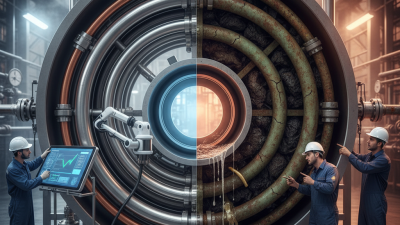
Best Heat Exchanger Maintenance Tips for Global Buyers
Heat exchangers are essential components in various industries, facilitating efficient thermal energy transfer. However, improper maintenance can lead to reduced performance and potential failures. According to a report by the International Journal of Thermal Sciences, neglecting heat exchanger maintenance can decrease efficiency by up to 30%, resulting in substantial operational costs.
Effective heat exchanger maintenance is crucial for ensuring longevity and reliability. Regular inspections and cleaning can significantly enhance efficiency and prevent unexpected downtime. A survey by the Heat Transfer Society revealed that companies implementing a structured maintenance plan saw a 25% reduction in energy consumption. Despite these benefits, many organizations still overlook proper maintenance strategies.
Conclusions drawn from case studies emphasize that reactive maintenance is often too costly. Organizations need to adopt a proactive approach to heat exchanger maintenance. Investing in training and technological advancements can mitigate risks and optimize performance. Ultimately, effective maintenance strategies save resources and enhance system reliability.
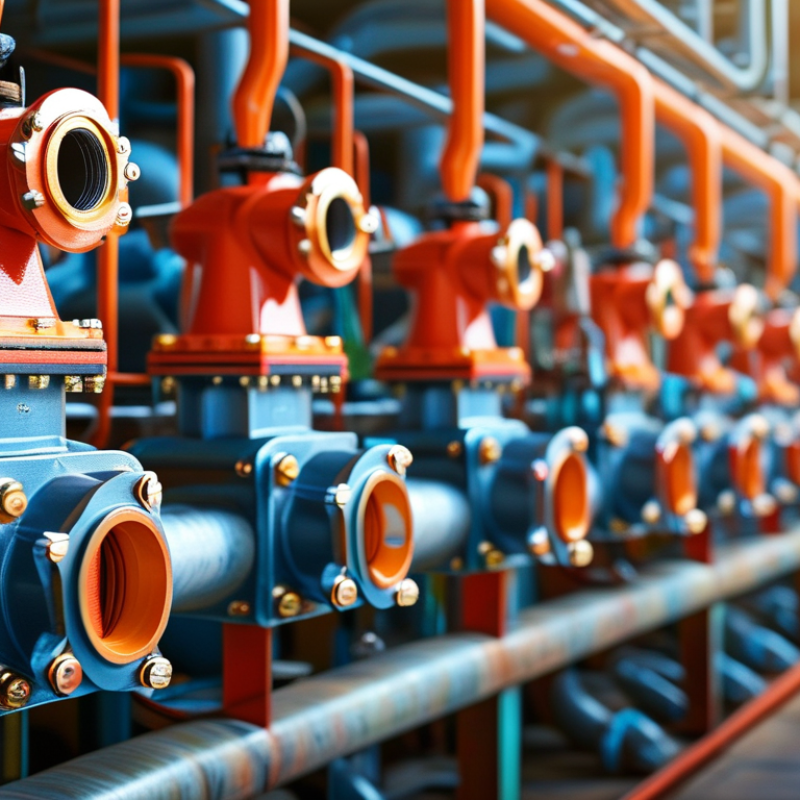
Essential Components of Heat Exchanger Maintenance
Heat exchangers are critical in many industries. Proper maintenance ensures efficiency and longevity. Knowing the essential components of maintenance can significantly impact performance.
Regular inspections are a vital part of heat exchanger upkeep. Data from the Heat Transfer Society indicates that over 30% of heat exchangers fail due to insufficient maintenance. Visual checks for leaks and corrosion can prevent smaller issues from escalating. Make it a routine to clean the surfaces. Fouling in the heat exchange surfaces can reduce efficiency by up to 20%. Keeping these areas clean helps maintain optimal thermal performance.
Another crucial component is monitoring operating conditions. This includes temperature, pressure, and flow rates. Any deviation from normal ranges often indicates potential problems. For example, a decrease in flow rate may hint at blockages. Using sensors for real-time monitoring can help detect issues early. However, many facilities still rely on manual checks, which can be less effective and prone to error. Embracing technology can streamline this process and enhance reliability.
Common Issues to Watch for in Heat Exchanger Performance
Heat exchangers are crucial for efficient thermal management in various industries. However, several common issues can affect their performance. One significant problem is fouling. Over time, contaminants build up, reducing heat transfer efficiency. Regular cleaning is vital to maintain optimal performance. Fouling can lead to increased operational costs and energy consumption.
Another common issue is leaks. Leaks in heat exchangers can result from material fatigue, corrosion, or manufacturing defects. Detecting leaks is essential to prevent downtime and costly repairs. Visual inspections and pressure tests can help identify potential issues early. Ignoring small leaks can lead to more extensive damage.
Thermal performance degradation is another concern. This might occur due to worn-out components or improper flow rates. Monitoring temperature differentials can provide insights into efficiency. Analyzing performance data regularly helps in identifying patterns. It is crucial to stay ahead of potential problems. Often, operators overlook these details, assuming everything is fine. A proactive approach ensures longer service life and better reliability for heat exchangers.
Step-by-Step Guide to Routine Heat Exchanger Inspections
Routine inspections of heat exchangers are crucial for maintaining their efficiency and longevity. According to industry reports, improper maintenance can lead to a 20% drop in performance. Regular checks help identify leaks, corrosion, and buildup, which often go unnoticed. The initial step is to develop a clear inspection schedule based on operational hours and manufacturer guidelines.
During inspections, focus on key components like tubes, fins, and the overall structure. Corrosion rates can vary widely, even by a few percentage points within a single year. It’s essential to examine these areas carefully. Inspectors often find that minor leaks, if not addressed, can lead to major failures. Using non-destructive testing methods can be beneficial. These techniques allow for detailed assessments without disassembling the unit.
Managing heat exchangers also involves monitoring temperature differentials and pressure drops. A change as small as 5% in these parameters can indicate serious issues. Making timely adjustments and repairs can prevent system failures. Frequent inspections can save businesses significant costs, as even short downtime can lead to lost revenue. Yet, many operators overlook this vital aspect, leading to avoidable expenses in the long run.
Best Practices for Cleaning and Servicing Heat Exchangers
Cleaning and servicing heat exchangers is vital for their efficiency. Regular maintenance prevents costly downtime and extensive repairs. Begin by performing a visual inspection. Look for signs of leakage or corrosion. This can help identify problems before they escalate.
When cleaning, choose the right method based on the type of exchanger. For shell-and-tube types, consider using chemical cleaning agents. They can effectively remove fouling without damaging the unit. Follow all safety guidelines. For plate exchangers, disassembly may be necessary for thorough cleaning. Be mindful of the gaskets; they can wear out over time.
Documentation is key. Keep track of all maintenance activities, including dates and methods used. This data can help predict future issues. It also builds a reliable history for reference, enhancing trust in your maintenance practices. Reflect on what worked well and what needs improvement. Embrace a proactive approach to ensure the longevity of your heat exchangers.
Tips for Selecting the Right Maintenance Service Provider
Selecting the right maintenance service provider for heat exchangers is crucial. The right partner can ensure efficient operations and longevity of equipment. According to a report by the Heat Exchange Institute, proper maintenance can improve efficiency by up to 30%. How do you find a provider who delivers on these promises?
Look for experience in the industry. A provider with a solid track record has likely encountered various challenges. This can indicate reliability and expertise. Ask potential providers about their previous projects. A company with documented success can often provide the best insights. Certifications and industry affiliations add to credibility, offering assurance of adherence to best practices.
Consider client testimonials and reviews. Reviews can reveal critical insights about service quality. A review indicating unresolved issues can be a red flag. Conduct interviews to gauge communication styles. Clear communication is key in any successful partnership. If shortcomings arise, a responsive provider can turn challenges into opportunities. Make sure the provider is open to feedback and willing to adapt. This willingness can directly affect the success of your maintenance strategy.