2026 Best Heat Exchanger Maintenance Tips for Global Buyers?
In the increasingly competitive industrial landscape, the importance of effective heat exchanger maintenance cannot be overstated. According to a report by MarketsandMarkets, the global heat exchanger market is projected to grow to USD 27.32 billion by 2025. This growth underscores the critical need for reliable maintenance practices, as heat exchangers play a vital role in energy efficiency and operational reliability.
Heat Exchanger Maintenance is essential for maximizing equipment lifespan. Neglected heat exchangers can lead to efficiency losses of up to 20%, which significantly impacts operational costs. Often, maintenance strategies lack the necessary rigor. Many companies fail to regularly monitor performance metrics or perform thorough inspections. This oversight can lead to severe repercussions, including unplanned downtimes and safety hazards.
Investing in a comprehensive maintenance program may seem daunting. However, the long-term savings and reliability gains can far outweigh initial costs. A proactive approach not only prevents expensive repairs but also extends equipment longevity. As global demand for energy-efficient solutions rises, effective heat exchanger maintenance will be a cornerstone of successful operations in diverse industries.
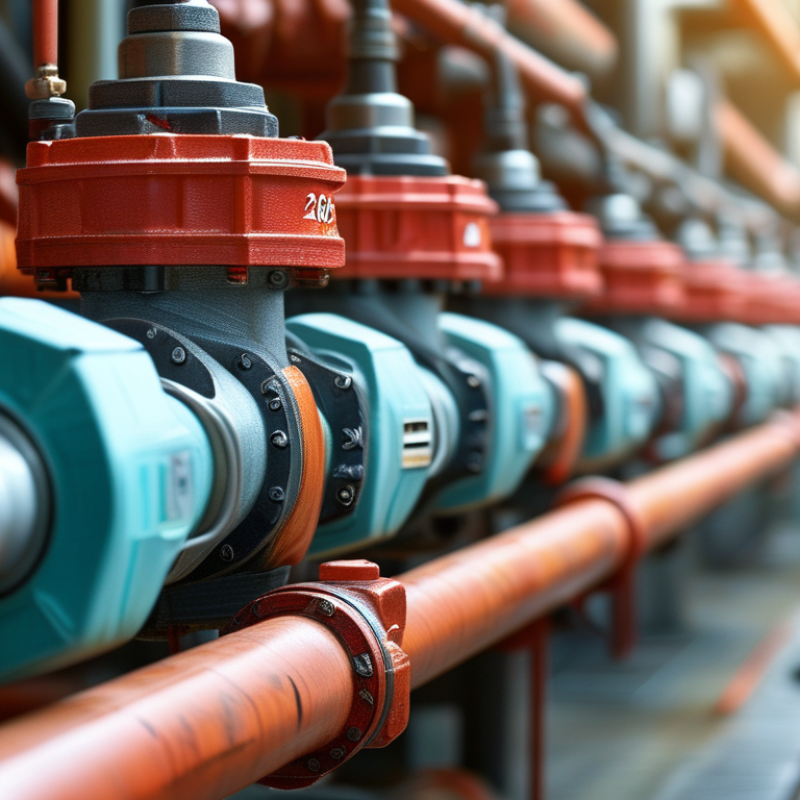
Understanding the Importance of Heat Exchanger Maintenance
Heat exchangers play a crucial role in various industrial processes. Proper maintenance ensures their efficiency and longevity. Ignoring maintenance can lead to unexpected failures. This may cause costly downtime and repair expenses. Regular inspections help identify potential issues early. Even small leaks can escalate into major problems if overlooked.
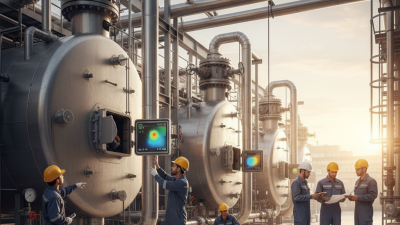
Understanding the intricacies of heat exchanger systems is vital. Knowledge of fluid properties and flow dynamics gives insight into their operation. Operators should be trained to recognize abnormal signs. These can include unusual noises or changes in pressure. It is essential to document performance metrics over time. This data can highlight trends that indicate wear and tear.
One common oversight is inadequate cleaning. Buildup of deposits can severely impact performance. Yet, many neglect routine cleaning schedules. This can lead to reduced heat transfer efficiency and increased energy consumption. Identifying the right cleaning methods for specific type is pivotal. Regular training sessions can help reinforce maintenance importance. Knowledge sharing within teams can prevent complacency and foster a culture of diligence.
Common Issues Faced by Heat Exchangers in Various Industries
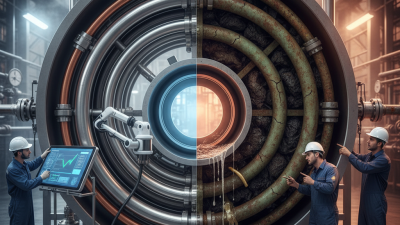
Heat exchangers are crucial in many industries, yet they face several common issues. A report from the Heat Exchanger Manufacturers Association highlights that roughly 30% of heat exchangers suffer from fouling. This can lead to reduced efficiency and higher operating costs. Fouling occurs when unwanted materials, like scale and corrosion, accumulate on heat transfer surfaces.
Regular cleaning and maintenance can mitigate this and extend equipment life.
Another significant issue is leaks. According to a survey by the American Society of Mechanical Engineers, around 25% of heat exchanger failures can be traced to leaks in gasketed joints. Such leaks not only disrupt operations but can also lead to environmental concerns. Addressing the seals’ wear and regularly inspecting joints can help prevent this problem.
In addition to fouling and leaks, thermal fatigue poses a threat. As temperatures fluctuate, materials can expand and contract, causing hairline cracks over time. This phenomenon is commonly overlooked but can significantly reduce the lifespan of a heat exchanger. Tracking thermal cycles and maintaining optimal operating conditions are essential strategies for managing thermal fatigue.
Step-by-Step Guide to Performing Routine Maintenance
Routine maintenance of heat exchangers is critical for optimal performance. According to industry data, poorly maintained units can result in efficiency losses exceeding 20%. Regular inspections help identify issues early, preventing costly downtime and repairs.
Start by checking for signs of fouling. This includes buildup on heat transfer surfaces. Fouling can drastically reduce heat transfer efficiency. If you notice any, consider using chemical cleaning methods. This can restore performance and extend the life of the unit. Ensure that the cleaning agents are safe for your specific heat exchanger materials.
Another key maintenance tip is to monitor operating parameters. Regularly check temperature and pressure levels. Significant deviations can indicate underlying problems. A study by the Heat Transfer Research Institute suggests that maintaining these parameters within recommended ranges reduces energy consumption by up to 15%. Always keep records of these readings to track performance over time.
Lastly, don't overlook the importance of gasket integrity. Inspect gaskets for leaks or wear. Replacing them promptly can prevent fluid leaks and improve safety. Also, ensure that all connections are secure. A slight leak can lead to major inefficiencies.
Best Practices for Cleaning and Sanitizing Heat Exchangers
Cleaning and sanitizing heat exchangers is crucial for efficient operation. Effective maintenance reduces energy costs by up to 30%, according to the International Energy Agency. Regular cleaning can extend the lifespan of these systems, which is essential in industries that rely on their uptime.
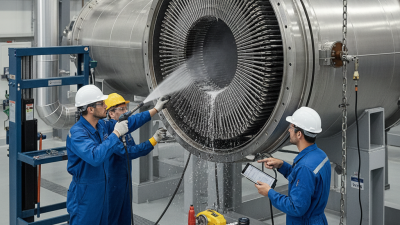
One common method is mechanical cleaning, where brushes and scrapers remove fouling. This method can be effective but may risk damaging the surfaces if not done carefully. In addition, chemical cleaning using mild acids or detergents can help dissolve deposits. The choice of cleaning agents should ensure they do not corrode metals or polymers in the heat exchangers.
Sanitizing is another vital step. It involves using safe disinfectants to eliminate harmful biofilms that can develop over time. Studies show that regular sanitization can reduce microbial contamination by over 95%. However, misapplication can lead to residue build-up, which complicates further cleaning. Thus, careful application and rinsing are critical. Adjusting cleaning frequencies based on operational data will draw from experience and expertise, ultimately enhancing the reliability of heat exchangers.
Tips for Selecting the Right Maintenance Services and Products
Selecting the right maintenance services for your heat exchangers is crucial. According to a report from the International Journal of Heat Exchanger and Thermal Systems, improper maintenance can lead to a 30% reduction in efficiency. When choosing a service provider, consider their expertise and reliability. Look for companies with certified technicians who can offer preventative maintenance.
It’s essential to assess the products used during maintenance. High-quality materials can extend the lifespan of your heat exchangers. Reports suggest that using superior replacement parts can improve efficiency by up to 20%. Moreover, inquire about their tracking and documentation practices. Reliable services often provide detailed reports on maintenance activities.
Reflect on your past experiences with maintenance services. Were there gaps in communication or follow-up? Evaluating these aspects will help you recognize what to prioritize in future selection. As you navigate your options, remember that a proactive approach to maintenance can save costs and enhance performance. Real data points indicate that companies adopting regular maintenance schedules see up to 50% fewer unexpected failures.