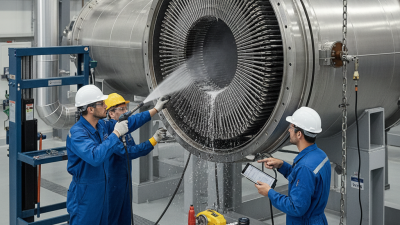
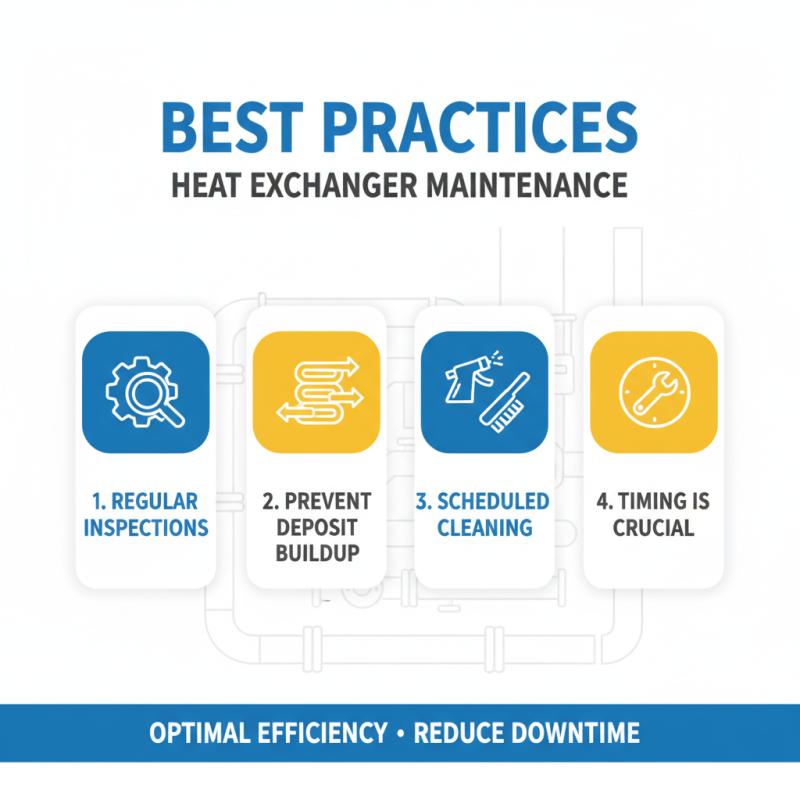
Why is Regular Heat Exchanger Maintenance Essential for Efficiency?
Regular heat exchanger maintenance is crucial for optimal efficiency in industrial systems. According to John Smith, a renowned expert in heat transfer systems, “Neglecting maintenance can lead to significant energy losses.” This highlights the importance of a proactive approach to heat exchanger maintenance.
Heat exchangers play a vital role in energy transfer processes. They help improve efficiency by ensuring that heat is effectively utilized. However, without routine checks and servicing, these systems can suffer from reduced performance. Issues like fouling or corrosion can accumulate over time, leading to less effective heat transfer and increased operational costs.
Furthermore, maintaining a heat exchanger not only enhances performance but also extends its lifespan. Regular maintenance can prevent unexpected failures and costly downtimes. As John Smith emphasizes, “A well-maintained system operates smoothly.” Investing in heat exchanger maintenance is therefore not just a choice; it becomes a necessary strategy for reliability and sustainability in operations.
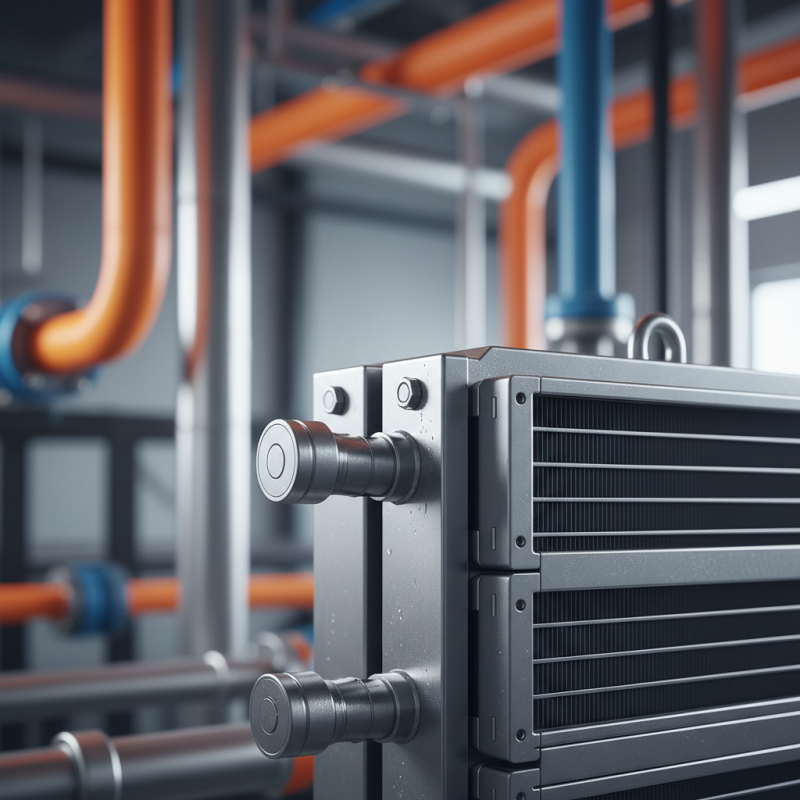
Importance of Regular Heat Exchanger Maintenance for Energy Efficiency
Regular maintenance of heat exchangers plays a crucial role in enhancing energy efficiency. Over time, heat exchangers accumulate dirt and scale. These contaminants act as barriers, reducing heat transfer efficiency. Regular cleaning can prevent such build-up. A well-maintained heat exchanger often operates at optimal capacity, providing significant energy savings.
Experience shows that neglected heat exchangers can lead to increased operational costs. The efficiency drop might not be noticeable immediately. However, as time goes on, energy bills can skyrocket. Routine checks help identify potential issues early. This proactive approach promotes reliability and extends the lifespan of the equipment.
Proper maintenance also involves monitoring system parameters. Keeping track of flow rates and temperature differences is essential. Deviations from the norm could indicate problems. Data analysis helps facility managers make informed decisions. Investing in maintenance means less downtime and a smoother operation. Regular upkeep cannot be overlooked if energy efficiency is the goal.
Impact of Inadequate Maintenance on Heat Exchanger Performance Metrics
Heat exchangers are crucial for energy efficiency in many industries. However, inadequate maintenance can drastically reduce their performance. Accumulation of scale, fouling, or corrosion can block heat transfer surfaces. This leads to higher operational costs and wasted energy.
Without regular checks, minor issues can escalate. Small leaks from corrosion can turn into significant failures. Equipment downtime becomes a pressing concern. The average heat exchanger can lose up to 30% of its efficiency without maintenance. This loss can impact production levels and increase environmental waste.
Regular maintenance ensures optimal performance. It means checking for leaks, cleaning surfaces, and inspecting mechanical components. Nonetheless, many facilities overlook this need. They may prioritize immediate problems over long-term performance. This short-sightedness ultimately costs more in repairs and inefficiencies.
Analyzing Cost Savings through Proactive Heat Exchanger Maintenance
Proper maintenance of heat exchangers is crucial for systems to operate efficiently. A well-maintained heat exchanger can significantly reduce energy costs. Regular cleaning and inspection remove debris and contaminants that may hinder performance. This proactive approach prevents larger issues down the line, often resulting in considerable cost savings.
Neglecting maintenance can lead to higher operational costs. Deterioration may not be immediately visible, but its effects can escalate. An inefficient heat exchanger could increase energy consumption by up to 30%. Identifying and addressing minor issues as they arise helps maintain optimal efficiency. This reflects not just on immediate savings but also prolongs the lifespan of the equipment.
Ignoring routine check-ups often leads to reactive repairs, which are usually more expensive. Investing time and resources in heat exchanger upkeep is wise. It reduces downtime, improves reliability, and enhances overall system efficiency. Experience shows that the initial effort of maintenance pays off significantly over time.
Common Issues Arising from Neglected Heat Exchanger Maintenance
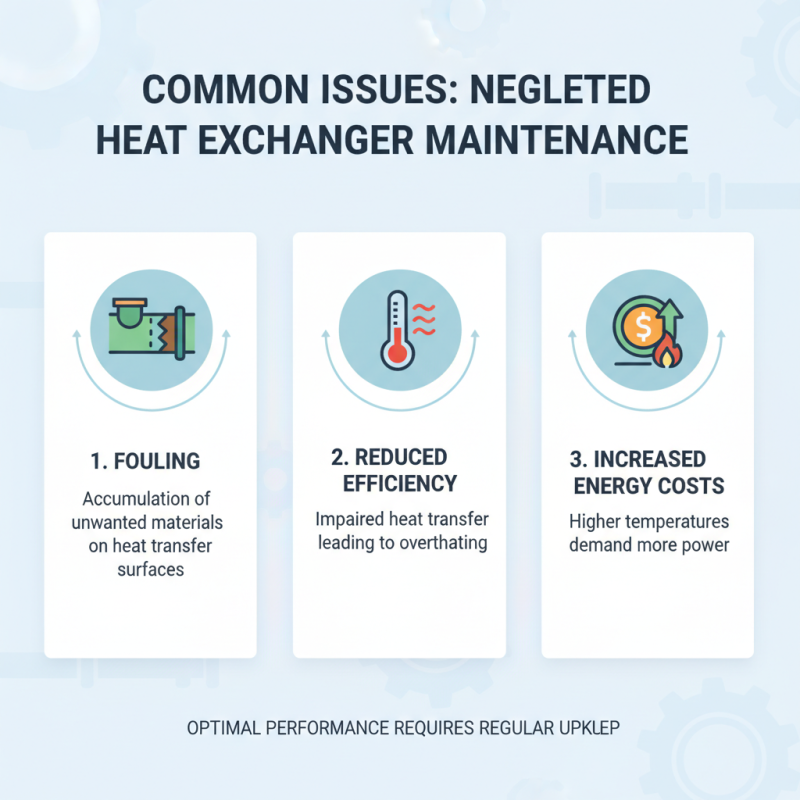
Regular maintenance of heat exchangers is vital for optimal performance. Neglecting this upkeep can lead to several common issues that impact efficiency. For instance, fouling occurs when unwanted materials build up on the heat transfer surfaces. This buildup reduces heat transfer efficiency and can lead to overheating. Higher temperatures can harm the system and increase energy costs.
Another significant issue is corrosion. When not maintained, components are vulnerable to rust and degradation. This can result in leaks and pressure loss. Even small leaks can compromise system efficiency. Regular inspections can identify these problems early, preventing costly repairs.
Additionally, improper maintenance can lead to uneven fluid flow. This creates cold spots and hot spots, disrupting the desired thermal exchange. Operators should regularly check flow rates to ensure balanced operation. Without this, energy consumption spikes and overall effectiveness declines. Neglecting maintenance might seem minor, but the ripple effects can be serious and expensive over time.