Essential Tips for Heat Exchanger Maintenance Best Practices?
Heat Exchanger Maintenance is crucial for optimal operation in various industries, including oil and gas, chemical processing, and HVAC systems. According to a recent report by the American Society of Mechanical Engineers, improper maintenance can reduce efficiency by up to 30%. Regular maintenance extends the lifespan of heat exchangers and prevents costly downtime. Furthermore, data from the National Institute of Standards and Technology highlights that nearly 20% of all industrial maintenance costs come from heat exchanger issues.
The importance of proper maintenance practices cannot be overstated. Neglecting Heat Exchanger Maintenance can lead to severe inefficiencies, leaks, and failures. Many operators overlook minor signs of wear, which can escalate into major problems. In fact, 40% of unplanned outages are linked to heat exchanger malfunctions, as reported by the International Energy Agency. These failures often stem from lack of routine inspections and inadequate cleaning protocols.
Investing time and resources in effective Heat Exchanger Maintenance pays off. Businesses experience enhanced performance and reduced energy consumption. They also mitigate health and safety risks associated with system failures. Nevertheless, it's easy to underestimate the significance of routine checks. Reflecting on past experiences may reveal overlooked opportunities for improvement. Prioritizing systematic maintenance can greatly influence a facility's overall efficiency.
Understanding Heat Exchangers: A Brief Overview
Heat exchangers play a crucial role in various industries. They transfer heat between two or more fluids, enhancing energy efficiency. In many systems, these devices help maintain optimal temperatures. A well-functioning heat exchanger contributes to overall system reliability.
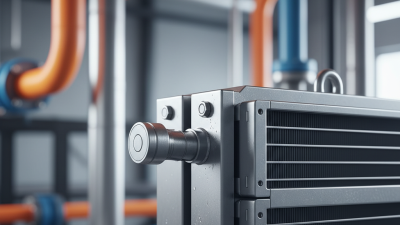
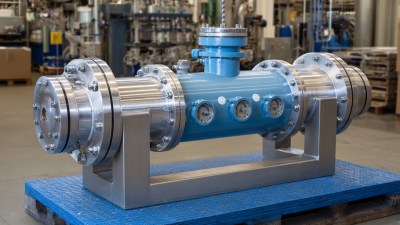
Understanding the components is vital. Heat exchangers consist of tubes, plates, and fins. Each part serves a specific purpose. Regular inspections can reveal wear and tear. Small leaks can escalate into larger issues. Maintaining cleanliness is also important. Accumulated debris can hinder performance and efficiency.
Neglecting maintenance can lead to failures. Monitoring fluid levels and temperatures can prevent breakdowns. Personnel should be trained to recognize symptoms of malfunction. Reflection on past issues aids future improvements. Keeping a record of maintenance activities fosters accountability. This ongoing process ensures heat exchangers operate smoothly.
Importance of Regular Maintenance for Heat Exchangers
Regular maintenance of heat exchangers is vital for optimal performance and longevity. These systems are essential in various industrial processes. Over time, heat exchangers can accumulate scale and fouling. This leads to reduced efficiency and increased energy costs. Ignoring regular checks can result in costly downtimes.
Routine inspections should include looking for leaks, corrosion, and blockages. Cleaning the exchanger surfaces prevents buildup. Scheduled maintenance tasks help identify potential issues early. It’s crucial to maintain proper operating temperatures and pressures. Anomalies can indicate deeper problems and must be addressed swiftly.
Pay attention to the fluid being used. Different fluids can impact performance levels. Ensure that you use fluids that are compatible with the system. Scheduling regular maintenance checks is not always convenient. However, it can save money in the long run by avoiding replacements. Regular maintenance creates a checklist for technicians, ensuring no aspect is neglected.
Essential Tips for Heat Exchanger Maintenance Best Practices
| Maintenance Tip |
Description |
Frequency |
Importance |
| Visual Inspection |
Check for leaks, corrosion, or damage to the unit. |
Monthly |
High |
| Cleaning |
Clean the heat exchanger surface to prevent fouling. |
Quarterly |
Critical |
| Pressure Testing |
Test for leaks under pressure to ensure integrity. |
Annually |
Vital |
| Fluid Analysis |
Analyze the working fluid for contaminants. |
Bi-Annually |
High |
| Document Maintenance |
Keep a detailed log of all maintenance activities. |
Continuous |
Essential |
Key Components to Inspect During Maintenance Procedures
Heat exchangers play a critical role in various industries. Regular maintenance is vital for their efficiency. Key components require careful inspection during maintenance procedures.
Begin with the tube bundles. They are prone to fouling, which can reduce heat transfer efficiency by up to 30%, according to industry studies. Inspect the tubes for corrosion or deposits. A proper cleaning frequency is essential to prevent performance loss. Some industries recommend cleaning every six months, while others may need to do it quarterly.
Next, examine the gaskets and seals. These parts can degrade over time, leading to leaks. A leak could result in significant efficiency losses and safety hazards. Reports indicate that up to 10% of energy costs can arise from such issues. Regular visual checks and pressure testing can identify potential failures. Be aware that neglecting these simple inspections can lead to unplanned shutdowns and costly repairs.
Lastly, don't overlook the structural integrity of the heat exchanger shell. Look for any signs of wear, such as cracks or unusual vibrations. Monitoring these elements is crucial. Maintaining a robust inspection routine can ensure long-term reliability and operational safety.
Step-by-Step Guide to Cleaning Heat Exchangers Effectively
Cleaning heat exchangers is vital for their efficiency. A well-maintained heat exchanger can save energy and reduce costs. Start by assessing the condition of your heat exchanger. Look for signs of corrosion or buildup. Use a flashlight to inspect it closely.
Once you identify the problem areas, prepare your cleaning solution. Opt for a mixture that targets specific contaminants. Always wear protective gear when handling cleaning agents. Apply the solution with a spray nozzle for even coverage. Allow it to sit for the recommended time to break down deposits.
After soaking, rinse the exchanger thoroughly. Use a high-pressure water jet to remove residue. Pay attention to hard-to-reach areas, as these often harbor buildup. Once rinsed, check for leaks or weaknesses. Keep a log of your maintenance activities to track progress over time. Regular cleaning will enhance performance, but be aware that neglect can lead to operational inefficiencies. Each cleaning session should provide insights for future maintenance strategies.
Common Issues and Troubleshooting Tips for Heat Exchanger Performance
Heat exchangers are vital in various industries. However, they often face performance issues. Common problems include fouling, corrosion, and leaks. According to a report from Heat Exchanger World, around 70% of heat exchanger failures are due to inadequate maintenance. Understanding these issues can help prevent costly downtime and repairs.
Fouling is a significant concern. It leads to reduced heat transfer efficiency and increased energy consumption. A study by the American Society of Mechanical Engineers shows that a 1% increase in fouling can lead to a 5% rise in energy costs. Regular cleaning schedules can mitigate this issue but must be tailored to the specific conditions of your processes.
Corrosion also poses a serious risk. It can weaken the structure and lead to leaks. Research from the National Association of Corrosion Engineers indicates that corrosion costs industries over $300 billion annually. Monitoring the material integrity and implementing corrosion-resistant coatings can be impactful strategies. Regular inspections are essential to catch these problems early and maintain optimal performance.
Heat Exchanger Maintenance Best Practices
The chart above illustrates essential maintenance practices for heat exchangers, reflecting the recommended frequencies for cleaning, inspection, and replacement, as well as typical downtime associated with maintenance activities.