Best Phe Heat Exchanger Types for Efficient Cooling Solutions?
Efficient cooling solutions are vital in various industrial applications. One key component in achieving optimal thermal performance is the PHE heat exchanger. These devices excel in heat transfer efficiency due to their compact design and high surface area. However, choosing the best type of PHE heat exchanger can be challenging.
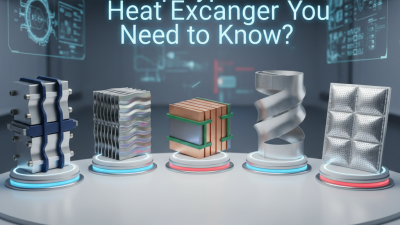
Different PHE heat exchanger types serve distinct purposes. Each design offers unique benefits and potential drawbacks. For example, some options may improve heat transfer but can be more complex to maintain. This raises essential questions about the right choice for specific cooling needs.
Furthermore, understanding the operational requirements is crucial. Factors such as fluid types, flow rates, and temperature ranges greatly influence the selection process. The right balance of efficiency and practicality is vital for success. It's not just about immediate performance but also about long-term reliability and maintenance costs. In the realm of PHE heat exchangers, every detail matters.
Overview of PHE Heat Exchanger Types for Cooling Applications
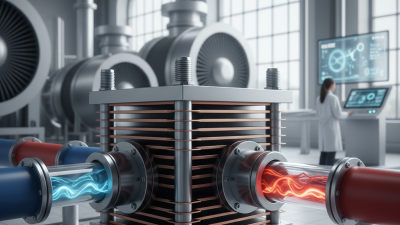
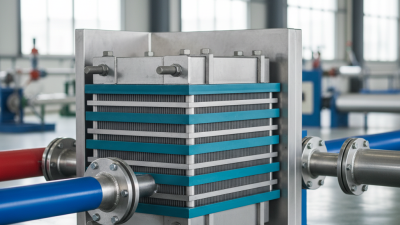
Plate Heat Exchangers (PHEs) are key players in cooling applications. They offer efficient thermal transfer, making them ideal for various industries. PHEs consist of multiple plates that create a large surface area for heat exchange. This design enables effective cooling while minimizing energy costs.
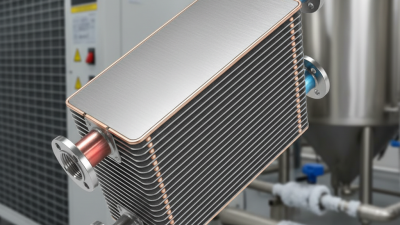
Different types of PHEs cater to specific cooling needs. For instance, gasketed PHEs are versatile and easy to maintain. They work well in food processing and HVAC systems. Brazed PHEs, on the other hand, provide compact solutions for higher pressure and temperature applications. While they save space, they may pose challenges during repairs.
It's crucial to assess cooling requirements before selecting a PHE type. Factors such as fluid compatibility and temperature differences play a significant role. An unsuitable choice may lead to inefficient cooling and increased operational costs. Reflecting on these elements ensures a better understanding of the appropriate PHE for your cooling solutions.
Key Features of Plate Heat Exchangers and Their Efficiency
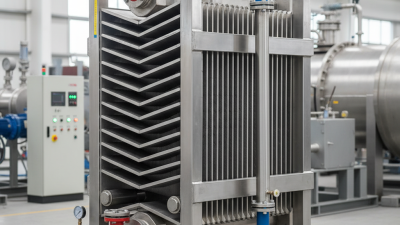
Plate heat exchangers (PHEs) have gained popularity due to their efficient cooling capabilities. These devices consist of numerous thin plates that create a large surface area for heat transfer. This design not only enhances heat transfer efficiency but also minimizes the space required for installation. The compact structure allows these exchangers to handle high flow rates, making them suitable for various applications.
Key features of plate heat exchangers include their modular design. In case of increased cooling demands, additional plates can be added without replacing the entire unit. However, this flexibility may lead to challenges in determining the optimal number of plates required. Another notable aspect is their gasketed configuration, which allows easy maintenance and cleaning. Regular cleaning can improve efficiency but may disrupt operations if not managed properly.
While plate heat exchangers are highly efficient, they have limitations. The potential for fouling can impact performance over time. Reinforcing the need for routine inspections is crucial to ensure reliability. Furthermore, improper installation can lead to leaks or reduced heat transfer efficiency. A thorough understanding of the equipment and proper installation practices can mitigate these risks and maximize effectiveness.
Comparative Analysis of Shell-and-Tube Heat Exchangers
Shell-and-tube heat exchangers are widely used for efficient cooling solutions in various industries. These exchangers consist of a series of tubes, one set carrying the hot fluid and the other the cold fluid. According to the Heat Exchanger Institute, shell-and-tube designs account for approximately 75% of heat exchanger usage in industrial applications. Their versatility allows them to handle high pressures and temperatures effectively.
The performance of shell-and-tube heat exchangers is critical in settings such as power plants and chemical processing. A recent report indicated that these systems offer a thermal efficiency of up to 90%, making them highly effective for heat transfer. However, they do require regular maintenance to prevent fouling. Over time, scale build-up can decrease efficiency by as much as 30%. Analyzing these operational challenges can help improve design and maintenance strategies.
Despite their advantages, not all shell-and-tube designs are created equal. Variations in diameter, length, and configuration can significantly affect performance and cost. Optimizing these elements for specific applications is essential, but it can be complex. Some facilities struggle with choosing the right configuration due to a lack of comprehensive data on their unique operations. Engaging with industry reports can provide clearer insights for decision-makers.
Benefits of Using Spiral Heat Exchangers in Cooling Systems
Spiral heat exchangers offer several advantages in cooling systems, particularly in processes with limited space. Their compact design allows for a high heat transfer area in a small footprint. This feature makes them ideal for industries where space is at a premium. The design facilitates effective heat transfer between the fluids, enhancing overall efficiency.
One significant benefit of spiral heat exchangers is their ability to handle fouling. Fouling can significantly reduce the efficiency of heat exchangers over time. Spiral exchangers are less prone to fouling due to their design, which promotes constant fluid motion and self-cleaning properties. This can lead to lower maintenance costs and longer equipment life in cooling applications.
Despite their benefits, spiral heat exchangers can present challenges. Proper installation requires expertise to ensure optimal performance. Misalignment can lead to inefficiencies. Furthermore, they may not suit all applications, particularly those requiring high pressure. Evaluating specific cooling needs is essential for making the right choice.
Best Phe Heat Exchanger Types for Efficient Cooling Solutions
| Heat Exchanger Type |
Thermal Efficiency |
Space Requirements |
Applications |
Benefits |
| Spiral Heat Exchanger |
High |
Compact |
Chemical Processing, HVAC |
Efficient heat transfer, low pressure drop |
| Plate Heat Exchanger |
Very High |
Moderate |
Food Industry, Power Generation |
High efficiency, easy maintenance |
| Shell and Tube Heat Exchanger |
Moderate |
Larger Space Required |
Oil Refineries, Refrigeration |
Durable, suitable for high pressures |
| Air-Cooled Heat Exchanger |
Varies |
Moderate to Large |
Power Plants, Chemical Plants |
No water usage, low maintenance |
| Double Pipe Heat Exchanger |
Low to Moderate |
Moderate |
Heating and Cooling Water |
Simple design, easy to operate |
Selecting the Right PHE for Specific Cooling Needs and Conditions
Choosing the right plate heat exchanger (PHE) is crucial for effective cooling. Different situations require specific designs to achieve optimal performance. For example, a report by the International Energy Agency indicates that PHEs can increase energy efficiency by up to 30%. It is important to consider factors like fluid type, temperature range, and pressure conditions before making a selection.
When dealing with high-viscosity fluids, larger surface areas are needed. This is where large, corrugated plates can significantly improve heat transfer rates. Diminishing returns often occur if the PHE is not designed for the specific application. Additionally, using PHEs made from materials like stainless steel can enhance durability and performance in corrosive environments.
Optimizing maintenance strategies for PHEs can be tricky. Regular cleaning is necessary to prevent fouling, which can lead to reduced efficiency. A study from the American Society of Heating, Refrigerating and Air-Conditioning Engineers highlights that proper maintenance can extend the lifespan of a PHE by 20% or more. Selecting the right type for your cooling needs is not just about initial costs; it's also about long-term reliability and efficiency.