2026 Top Types of Phe Heat Exchanger You Need to Know?
Understanding the various types of PHE heat exchangers is crucial for industries relying on thermal efficiency. PHE heat exchangers are key components in energy transfer processes. They offer significant benefits in terms of space savings and enhanced heat transfer rates. With a growing demand for energy-efficient systems, knowing the top types of PHE heat exchangers becomes increasingly important.
The market offers a variety of PHE heat exchanger designs. Each type serves specific applications and industries. For example, some are tailored for pharmaceuticals, while others are ideal for food processing. Therefore, selecting the right type is essential for optimal performance and cost-effectiveness. However, not everyone is aware of the subtle differences among them.
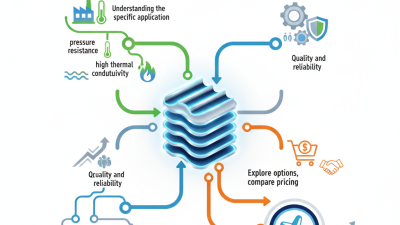
Challenges exist in choosing the right PHE heat exchanger. Some may overlook vital factors like materials and compatibility. Others might focus solely on price rather than long-term efficiency. This highlights the need for careful consideration and expert advice. Ultimately, understanding each type can lead to better decision-making in your heat exchange needs.

Key Features of PHE (Plate Heat Exchanger) Technology
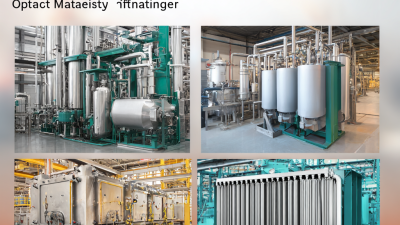
Plate heat exchangers (PHE) are vital in various industrial processes. They are efficient in heat transfer due to their design, which consists of plates stacked together. The larger surface area enhances thermal performance. PHEs are widely used in HVAC systems, chemical processing, and food industries.
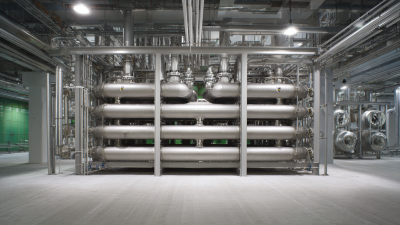
One key feature of PHE technology is its compactness. These units save space, which is crucial in crowded facilities. Users can fit them in tighter locations compared to traditional heat exchangers. The ability to easily modify the design by adding or removing plates is another advantage. This flexibility allows for enhanced performance tailored to specific needs.
Tips: When selecting a PHE, consider the fluid types and temperatures involved. This will ensure optimal efficiency. Regular maintenance is crucial; it can prevent costly downtimes. Also, consider energy recovery options when designing systems. Heat exchangers can reclaim wasted energy, leading to significant savings.
The choice of materials for PHE construction is also essential. Corrosive fluids may require specialized materials. Cost and longevity play a role in material selection too. Be mindful of your specific application needs. This ensures that your PHE operates effectively over time. Each choice can impact overall performance.
Types of PHE: Understanding Different Designs and Configurations
When exploring types of plate heat exchangers (PHE), understanding the various designs and configurations is crucial. Each type serves a specific purpose. For instance, gasketed plate heat exchangers are favored for their flexibility. They can be disassembled for cleaning and maintenance, making them a practical choice in many industries.
In contrast, brazed plate heat exchangers boast a compact design. Their small footprint enables them to fit into tighter spaces. However, this may limit their cleaning capabilities. Another option is the welded plate heat exchanger, which offers high-pressure resistance. This design is robust but can be challenging to maintain. Choosing the right configuration often depends on application requirements.
While these designs offer unique benefits, they come with challenges. The initial cost can be high, impacting the budget. Maintenance schedules must be established early. Knowing the limitations of each design helps in making informed decisions. Each type has strengths and weaknesses, and reflecting on these aspects ensures optimal performance.
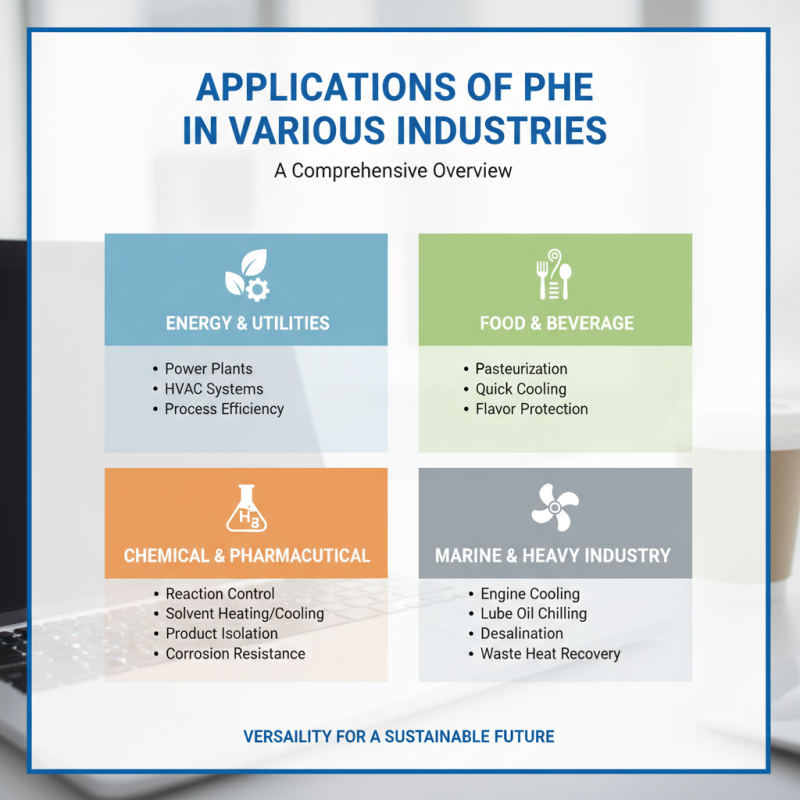
Applications of PHE in Various Industries: A Comprehensive Overview
Plate Heat Exchangers (PHE) play a significant role in various industries. Their versatility makes them crucial in energy conservation and process efficiency. For instance, in the food and beverage sector, PHEs ensure safe product pasteurization. They allow quick temperature adjustments, which protect quality and flavor.
In the chemical industry, PHEs are vital for cooling and heating processes. Their compact design saves space. However, the design must be precise to prevent fouling. Fouling can lead to inefficiency and higher operating costs. Regular maintenance is essential to ensure optimal performance and reliability.
Moreover, the HVAC industry increasingly utilizes PHEs for its energy recovery capabilities. This technology reduces energy consumption by reusing waste heat. While the advantages are clear, challenges exist. The initial investment for installation can be high. Understanding the potential long-term savings is necessary for decision-making. The balance between cost and efficiency warrants careful consideration.
Advantages of Using PHEs Over Traditional Heat Exchangers
When comparing plate heat exchangers (PHEs) to traditional shell-and-tube designs, several advantages stand out. PHEs are compact and efficient, providing superior heat transfer due to their large surface area and thin plates. According to a recent industry report, PHEs can achieve thermal efficiency up to 90% in certain applications. This makes them ideal for industries such as food processing and chemical manufacturing, which require energy efficiency.
The maintenance costs also tend to be lower for PHEs. They have fewer moving parts and can be easily disassembled for cleaning. A report from a leading energy consultancy indicates that maintenance savings can reach up to 20% annually compared to traditional systems. However, the initial installation costs might be higher, prompting some companies to hesitate. There is ongoing debate about long-term ROI. While upfront investment is significant, many users report faster payback periods over five years.
Moreover, PHEs can operate at higher pressures and temperatures, making them versatile in various conditions. They can accommodate fluctuating thermal loads better than their shell-and-tube counterparts. However, handling corrosive fluids still presents challenges. This aspect of PHEs underscores the need for careful material selection. Overall, while a shift to PHEs may seem daunting at first, the long-term benefits can lead to substantial energy and cost savings in the right environments.
Maintenance and Efficiency: Best Practices for PHE Performance
Maintaining a PHE (plate heat exchanger) is crucial for optimal performance. Regular inspections help identify any issues early. Check for leaks, corrosion, and fouling to ensure efficient operation. Clean the plates periodically to prevent buildup. Even a small amount of debris can reduce efficiency significantly.
Training staff in basic maintenance practices is vital. They should understand the importance of routine checks. Proper training reduces the risk of operational errors. Implementing a documented maintenance schedule can enhance accountability. This promotes a culture of diligence within the team.
Efficiency also involves monitoring temperature and pressure readings. Regular data analysis ensures the system operates within the desired range. If anomalies are detected, troubleshoot immediately. Don't ignore small fluctuations; they may signal bigger problems. Every detail matters in maintaining energy efficiency and prolonging equipment life. Emphasizing these practices will lead to better overall performance of the heat exchangers.
2026 Top Types of Phe Heat Exchanger You Need to Know?
| Type of PHE |
Efficiency (%) |
Maintenance Frequency (months) |
Typical Applications |
| Gasketed Plate Heat Exchanger |
85 |
6 |
Food processing, HVAC |
| Welded Plate Heat Exchanger |
90 |
12 |
Oil refining, Chemical processing |
| Semi-Welded Heat Exchanger |
88 |
9 |
Pharmaceuticals, Power generation |
| Double Tube Heat Exchanger |
80 |
15 |
Marine applications, Heating |
| Fin Tube Heat Exchanger |
87 |
18 |
Air conditioning, Refrigeration |