How to Choose the Best Brazed Heat Exchanger in 2026?
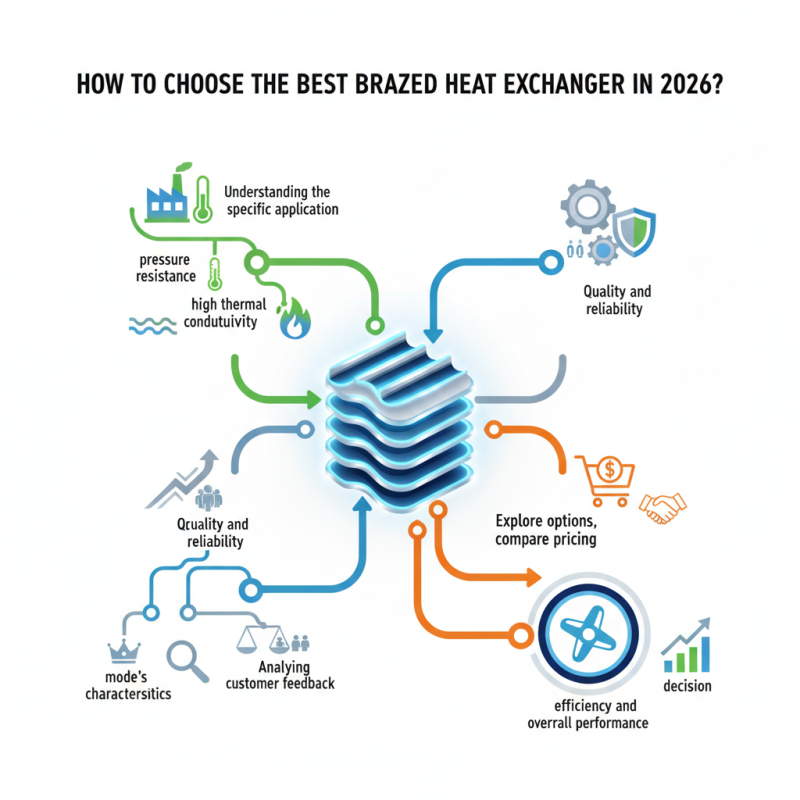
Choosing a Brazed Heat Exchanger in 2026 comes with unique challenges. As industries evolve, so do their heating and cooling demands. Brazed Heat Exchangers offer significant advantages, such as compact size and high efficiency. However, selecting the best model requires careful consideration.
Understanding the specific application is crucial. Some industries benefit from high thermal conductivity, while others prioritize pressure resistance. Quality and reliability are critical factors when choosing a Brazed Heat Exchanger. Brands vary in reputation, and not all promise the same durability.
Investing in a trusted brand can yield long-term benefits. Nevertheless, even reputable manufacturers may have inconsistent models. Analyzing customer feedback helps identify potential issues. Explore options, compare pricing, and note each model’s characteristics before making a decision. Your choice impacts efficiency and overall performance.
Factors Influencing the Selection of Brazed Heat Exchangers in 2026
When selecting a brazed heat exchanger in 2026, several key factors come into play. One important aspect is the material used in the construction. Stainless steel and titanium are popular choices due to their excellent corrosion resistance and durability. However, they can be costly. Understanding the application will help in determining the right material.
Another crucial factor is the heat transfer efficiency. A higher efficiency means better performance, but it can also increase the initial investment. It’s important to balance cost with performance. Many users overlook maintenance needs, which can lead to long-term costs. Evaluate how often you will perform maintenance checks and the potential downtime.
Size and space limitations matter too. A compact design is often essential in tight installations. However, this can affect the heat transfer surface area. Users must reflect on their space constraints against performance requirements. Lastly, regulatory compliance is vital. Staying updated on industry standards ensures safety and efficiency. Balancing all these considerations will help in making an informed choice.
Comparison of Material Properties for Brazed Heat Exchangers
When selecting a brazed heat exchanger in 2026, understanding material properties is crucial. Common materials include stainless steel, copper, and titanium.
Stainless steel offers great corrosion resistance and high-temperature stability. According to recent reports, over 60% of companies prefer stainless steel for its durability.
Copper provides excellent thermal conductivity. However, it is less resistant to corrosion compared to stainless steel. For specific applications, titanium can be favored due to its superior resistance to aggressive media. However, it's generally more expensive. Selecting the right material can significantly affect heat transfer efficiency, lifespan, and maintenance costs.
Tips: Evaluate the environment where the heat exchanger will operate. Consider factors like temperature, pressure, and fluid types. Ensure that the chosen material matches these conditions for optimum performance.
Performance testing data suggests that brazed heat exchangers made from high-grade materials exhibit up to 20% better efficiency. Regularly reviewing technical specifications and industry updates is essential. This keeps you informed about innovations and potential drawbacks in using different materials, ensuring the best choices are made.
Efficiency Ratings: Understanding Thermal Performance in Heat Exchangers
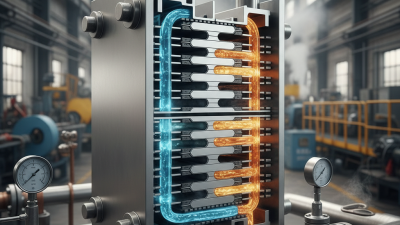
When selecting a brazed heat exchanger, understanding efficiency ratings is crucial. These ratings indicate thermal performance and are essential for optimal operation. A higher efficiency rating often translates to lower energy consumption and better overall performance. Look for detailed specifications that outline the heat exchanger's ability to transfer heat while minimizing losses.
Efficiency ratings aren't just numbers; they reflect the design and materials used. For instance, a well-designed brazed heat exchanger with high-quality plates can greatly improve heat transfer. However, performance can vary depending on the application. An exchanger that performs well in one setting may not be effective in another. Prioritize options that provide detailed thermal performance data for different scenarios.
It’s important to remember that sometimes these ratings may seem too optimistic. Real-world conditions can differ significantly from laboratory tests. This discrepancy can lead to choices that don't meet expectations. Careful consideration of application needs and environment is vital, especially when aiming for efficiency and reliability in tough conditions.
Efficiency Ratings of Different Heat Exchanger Types in 2026
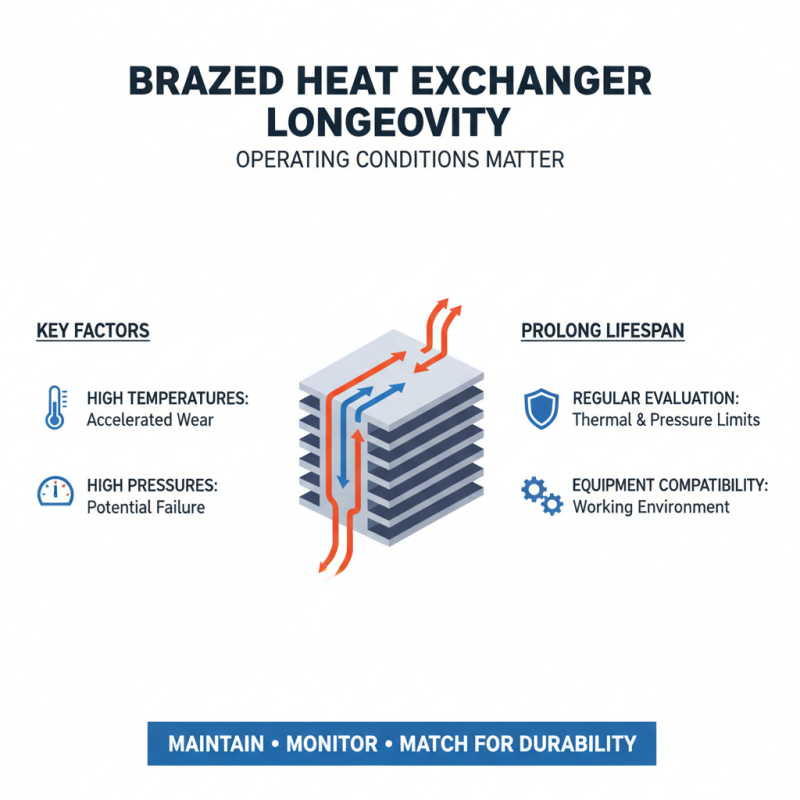
Impact of Operating Conditions on Brazed Heat Exchanger Longevity
Operating conditions play a crucial role in the longevity of brazed heat exchangers. High temperatures and pressures can lead to accelerated wear and potential failure. It's essential to evaluate the thermal and pressure limits of the heat exchanger regularly. Equipment should be compatible with the working environment to prolong its lifespan.
Moreover, fluid characteristics are vital. Corrosive fluids can damage the brazed joints over time. Consideration of fluid temperature, viscosity, and chemical composition is critical. Regular maintenance helps identify issues before they escalate. Keeping systems clean and monitoring for leaks can enhance performance significantly.
Even with careful selection, challenges remain. An often overlooked aspect is installation method. Improper installation can compromise efficiency and durability. Observing recommended practices is key, yet many skip crucial steps. It’s a reminder that vigilance in both operation and maintenance is necessary to avoid unforeseen failures.
Emerging Technologies in Brazed Heat Exchanger Design for 2026
The evolution of brazed heat exchanger design continues into 2026, driven by emerging technologies. The increasing demand for energy efficiency is prompting innovation in materials and manufacturing techniques. According to a report by MarketsandMarkets, the brazed heat exchanger market is expected to grow at a CAGR of 7% from 2021 to 2026. Understanding these trends will be crucial for professionals choosing the best equipment.
One notable trend is the adoption of advanced manufacturing processes. Techniques like additive manufacturing enhance precision and flexibility in heat exchanger design. This can lead to a 20% increase in efficiency compared to traditional methods. Additionally, new materials such as high-strength stainless steels can withstand higher pressures and temperatures. These advancements ensure better durability and performance in varied applications.
Tips: Monitor industry reports for emerging technologies. Consider energy efficiency ratings when evaluating options. Engage with industry experts to gain insights on reliability and performance.
Challenges persist in implementing these technologies. While advancements are promising, they can be cost-prohibitive for smaller manufacturers. It's essential to weigh the benefits against potential financial constraints. As you explore options, keep in mind the unique needs of your specific application. Each installation is distinct, requiring a tailored approach to achieve optimal performance.