Leave Your Message

What is a Brazed Plate Heat Exchanger and Its Applications?

Brazed Plate Heat Exchangers are crucial in various industries. They efficiently transfer heat between two fluids. This compact design offers numerous advantages over traditional counterparts.

One key benefit of the Brazed Plate Heat Exchanger is its high thermal efficiency. With a large surface area, these units optimize heat transfer. They are also incredibly versatile. You can find them in HVAC systems, refrigeration, and even food processing.

However, not all applications fit perfectly. A detailed analysis is necessary to ensure proper selection. Additionally, while maintenance is relatively straightforward, some users overlook the importance of regular checks. Knowing when and how to clean these exchangers is vital for longevity. Understanding the unique characteristics of a Brazed Plate Heat Exchanger will help in optimized applications and better energy management.
What is a Brazed Plate Heat Exchanger and Its Applications?

Definition of a Brazed Plate Heat Exchanger

What is a Brazed Plate Heat Exchanger and Its Applications?

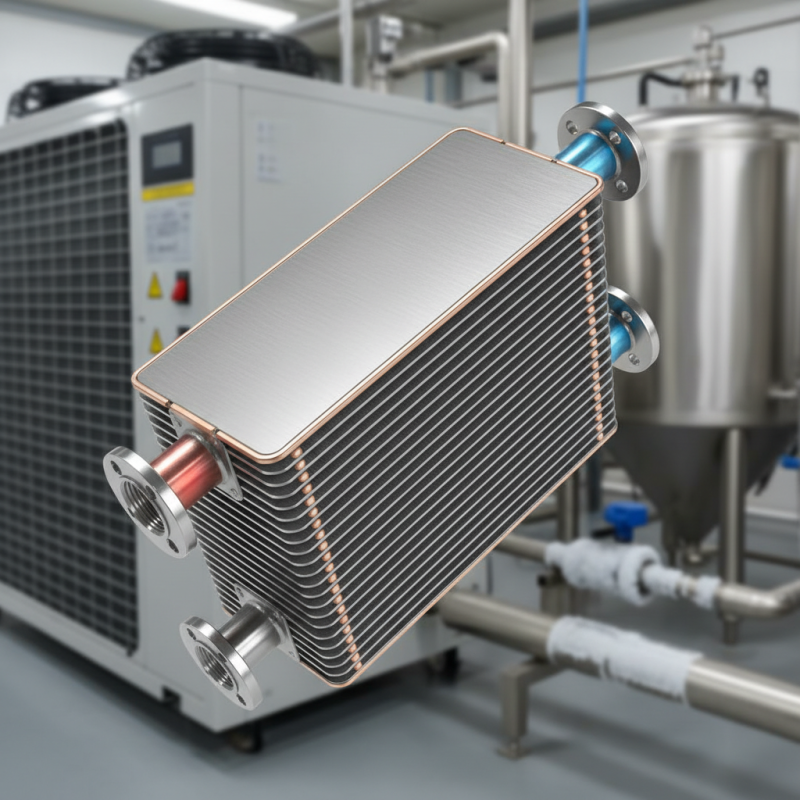
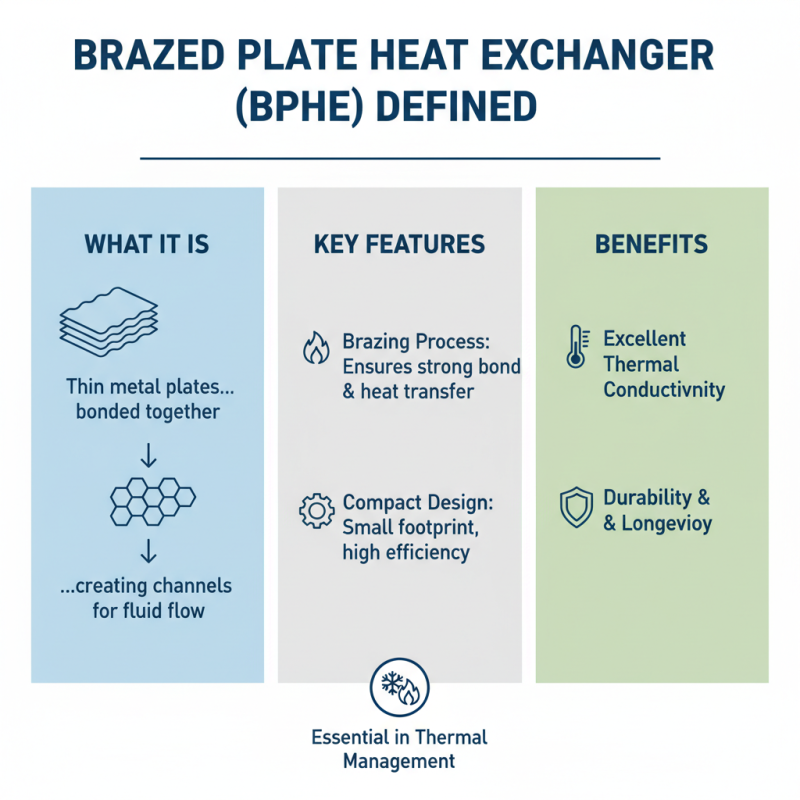
A brazed plate heat exchanger (BPHE) is an essential device in thermal management systems. It consists of thin metal plates that are bonded together. This process creates a series of channels for fluid flow. The result is a compact, efficient heat exchanger. The brazing process ensures excellent thermal conductivity and durability.

BPHEs find applications in various industries. These include HVAC, refrigeration, and power generation. They are typically used for heating and cooling fluids efficiently. Their compact design allows them to fit into tight spaces. This feature makes them ideal for modern systems. They can handle high-pressure applications, which is crucial for reliability.

Despite their advantages, BPHEs have some drawbacks. They may be prone to fouling over time, reducing efficiency. Regular maintenance is necessary to prevent this issue. Additionally, the initial cost can be higher than traditional heat exchangers. Users must consider these factors when choosing the right system.
Structure and Working Principle of Brazed Plate Heat Exchangers

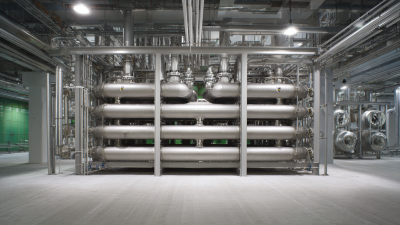
Brazed plate heat exchangers are highly efficient devices designed for heat transfer between two fluids. They consist of many thin plates, often made of stainless steel, which are bonded together with brazing materials. This construction allows for a compact design, maximizing heat transfer surface area. The plates create multiple channels for the fluids to flow, facilitating effective thermal exchange.

The working principle is quite straightforward. Hot fluid flows through one set of channels, while the cold fluid runs through another parallel set of channels. Heat is exchanged across the plates without the two fluids mixing. This design minimizes thermal resistance, leading to improved efficiency. However, the high pressure during brazing can lead to defects or voids in the plates. These flaws may affect performance, demanding careful quality checks during production.

Applications for brazed plate heat exchangers are numerous. They are widely used in HVAC systems, refrigeration, and industrial processes. Their compact size makes them suitable for space-constrained environments. However, they may not perform optimally with fluids that contain high levels of dirt or impurities. Such limitations should be considered in system design to ensure long-term reliability and efficiency.

Common Materials Used in Brazed Plate Heat Exchangers

Brazed plate heat exchangers (BPHEs) are efficient devices used for transferring heat between fluids. The construction of these heat exchangers involves various materials that enhance their performance and longevity. Understanding these materials helps in selecting the right exchanger for specific applications.

Stainless steel is a common choice due to its excellent corrosion resistance. It can withstand high temperatures and pressures. Furthermore, it allows for a compact design, which is crucial in space-restricted applications. Copper, another popular material, offers superior thermal conductivity. However, its susceptibility to corrosion in aggressive environments raises concerns.

Aluminum is also utilized for certain heat exchangers. It is lightweight and offers good thermal properties. Yet, it may not be suitable for all fluids. Each material has its benefits and drawbacks. Making informed decisions about these materials can significantly impact the heat exchanger's efficiency and lifespan.

What is a Brazed Plate Heat Exchanger and Its Applications?

Material Thermal Conductivity (W/m·K) Corrosion Resistance Applications
Stainless Steel 16 High Food Processing, HVAC
Copper 401 Moderate Refrigeration, Chemical Industry
Aluminum 235 Moderate Heat Pumps, Air Conditioning
Titanium 22 Very High Marine Applications, Chemical Processing

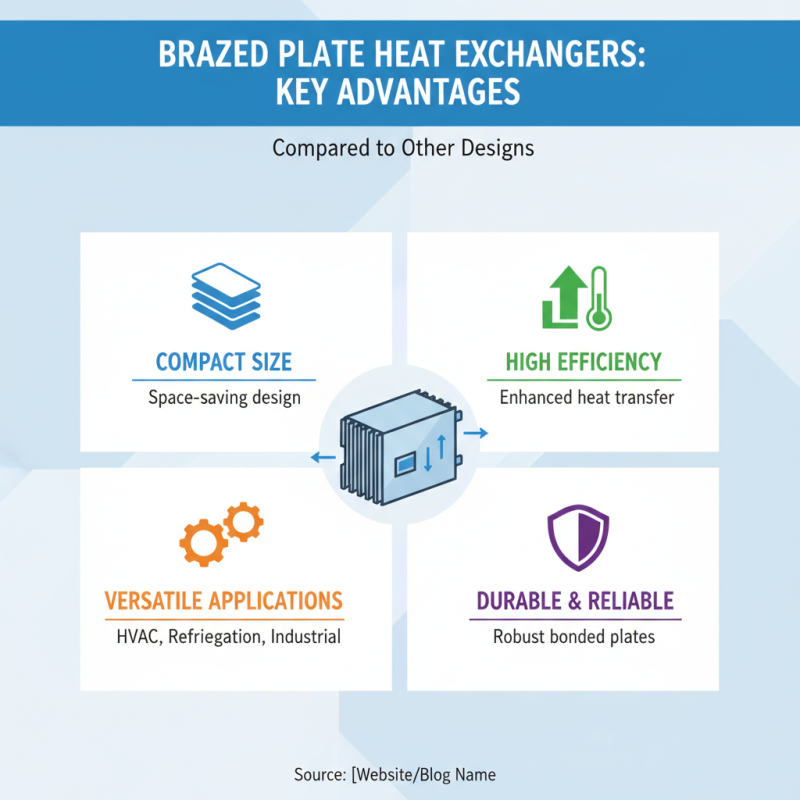
Advantages of Brazed Plate Heat Exchangers Compared to Other Designs

What is a Brazed Plate Heat Exchanger and Its Applications?

Brazed plate heat exchangers (BPHEs) are compact devices used to transfer heat between two fluids. Their design consists of thin plates that are bonded together, enhancing efficiency and performance. They have gained popularity in various applications, including refrigeration, HVAC systems, and industrial processes.

One significant advantage of BPHEs is their thermal efficiency. According to industry reports, BPHEs can achieve up to 90% heat transfer efficiency. This is much higher compared to shell-and-tube designs, which often fall below 75%. Additionally, BPHEs occupy less space, making them ideal for installations with limited room.

Another point to consider is their lower refrigerant charge. BPHEs usually require 30% less refrigerant, reducing both costs and environmental impact. However, it is essential to acknowledge that the manufacturing process, while promoting strength, can pose challenges in maintenance and repair.

Tips: When selecting a heat exchanger, consider factors such as the working pressure and fluid types. Make ensuring compatibility a priority for optimal performance. Innovating in heat exchange technology is crucial, yet it often pushes engineers to rethink existing designs and adopt BPHEs for their advantages.

Applications of Brazed Plate Heat Exchangers in Various Industries

Brazed plate heat exchangers (BPHEs) have gained traction across various industries due to their compact design and high efficiency. According to a report from Global Market Insights, the BPHE market is projected to exceed $1 billion by 2027. This growth reflects their importance in sectors like refrigeration, HVAC, and chemical processing. BPHEs are particularly praised for their ability to handle high-pressure scenarios and adapt to different thermal fluids.

In the food and beverage sector, BPHEs play a crucial role in maintaining product safety while optimizing heat transfer. They can efficiently pasteurize liquids without compromising quality. The pharmaceutical industry also values these heat exchangers for their sanitary design, which supports stringent cleanliness standards. A study by the International Journal of Refrigeration noted that BPHEs could save up to 30% energy compared to traditional designs in specific applications.

However, BPHEs are not without challenges. Their complex construction may lead to higher initial costs. Careful maintenance is vital to prevent fouling. Without proper care, efficiency can drop significantly, causing unexpected downtime. As industries strive for sustainability, proper understanding and reflection on the use of BPHEs will guide future innovations and applications.