Understanding Heat Exchanger HVAC Systems How Do They Work?
Heat exchanger HVAC systems play a crucial role in modern climate control. These systems enhance energy efficiency and provide comfortable indoor environments. According to the U.S. Department of Energy, HVAC systems account for nearly 40% of energy consumption in residential buildings. This underscores the importance of optimizing these systems to reduce energy waste.
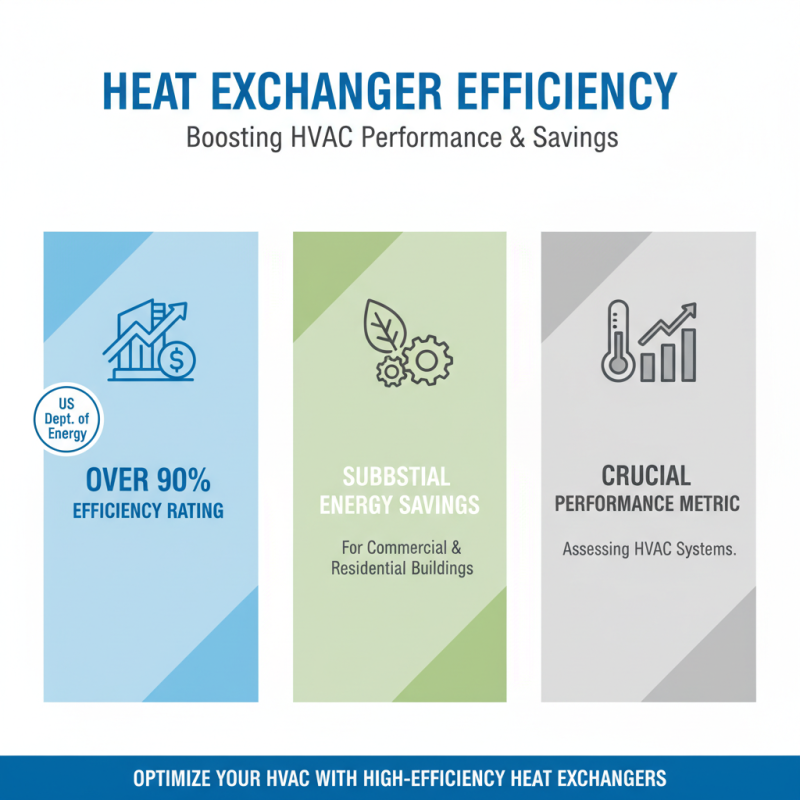
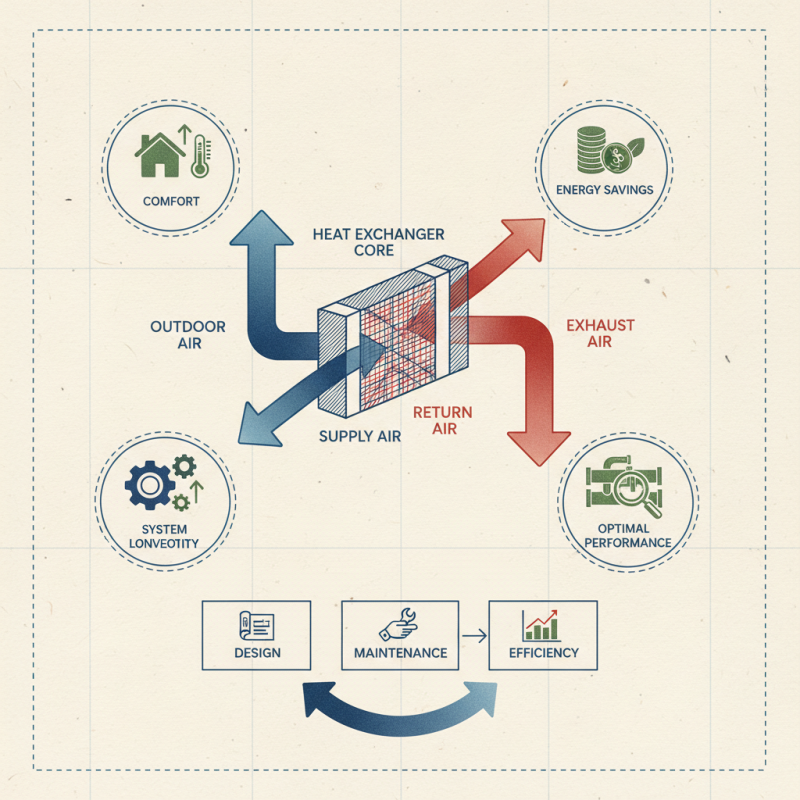
Heat Exchanger HVAC systems transfer heat between fluids, ensuring effective temperature regulation. This method not only minimizes energy loss but also boosts system longevity. Recent studies show that systems with efficient heat exchangers can achieve energy savings of up to 30%. However, many installations fail to maximize these benefits due to poor design or maintenance.
Moreover, understanding the intricacies of heat exchangers is vital for performance improvement. Practical knowledge of airflow and heat transfer can help prevent common failures. Too often, users neglect regular checks, leading to inefficiencies. This imbalance can provoke higher energy bills and shortened equipment life. Emphasizing maintenance could drastically enhance system reliability and efficiency.
Understanding the Basics of Heat Exchanger HVAC Systems
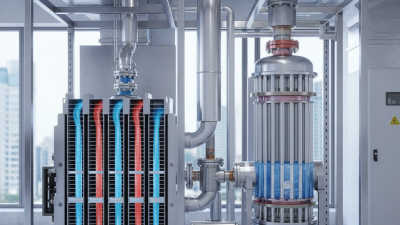
Heat exchanger HVAC systems are essential in regulating indoor temperatures. They transfer heat between two or more fluids without mixing them. This process enhances energy efficiency and reduces operating costs.
In these systems, there are various types of heat exchangers. Some use air to transfer heat, while others use water. The materials often need better insulation. Proper installation is crucial but isn't always perfect. Misalignment can lead to lower efficiency.
Regular maintenance is necessary. Filters can clog, and leaks may develop over time. This can hamper performance. Users frequently overlook these issues until they experience discomfort. It's essential to recognize the signs, such as unusual sounds or temperature fluctuations. Observing these small details can prevent larger problems down the line.
Understanding Heat Exchanger HVAC Systems
| Dimension |
Details |
| Type of Heat Exchanger |
Shell and Tube |
| Heat Transfer Method |
Conduction and Convection |
| Fluid Types |
Water, Refrigerant, Air |
| Efficiency Rating |
85% - 95% |
| Common Applications |
HVAC, Power Plants, Chemical Processing |
| Maintenance Interval |
Annually |
| Typical Lifespan |
10 - 15 years |
| Installation Complexity |
Medium to High |
Types of Heat Exchangers Used in HVAC Applications
Heat exchangers are vital in HVAC systems. They transfer heat between two or more fluids without mixing them. This process is essential for maintaining comfortable indoor temperatures.
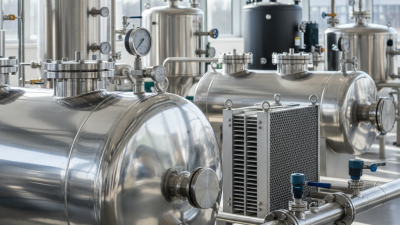
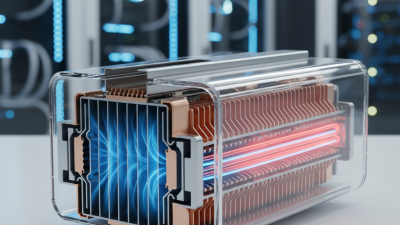
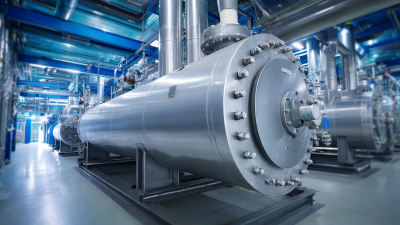
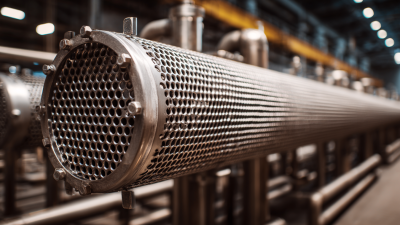
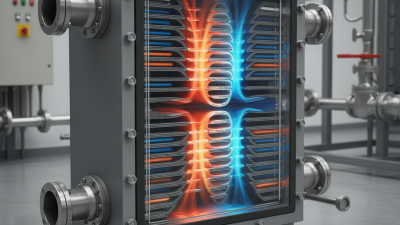
There are several types of heat exchangers used in HVAC applications. Plate heat exchangers are popular due to their compact design. They consist of thin plates that create channels for fluid flow. This design enhances heat transfer but may require regular cleaning. Shell and tube heat exchangers are another option. These are larger and consist of tubes within a shell. They offer high durability but can be heavy and complex to install.
Air-to-air heat exchangers utilize the air for heat exchange. This type is effective for energy recovery but might not deliver optimal performance in extremely cold climates. Each type has strengths and weaknesses. Regular maintenance is crucial for efficiency. Understanding these details can help in selecting the right type for specific needs.
Types of Heat Exchangers Used in HVAC Applications
This bar chart illustrates the efficiency percentages of different types of heat exchangers commonly used in HVAC applications. The efficiency varies with the design and operational conditions of each type.
Principles of Heat Transfer in HVAC Heat Exchangers
Heat exchangers play a vital role in HVAC systems by transferring heat efficiently. They operate on the principles of conduction, convection, and sometimes radiation. According to the U.S. Department of Energy, proper heat exchange can improve energy efficiency by up to 30%. This efficiency is crucial as HVAC systems account for nearly 40% of energy consumption in commercial buildings.
In practice, heat exchangers can sometimes be overlooked. Many systems suffer from poor maintenance. This leads to reduced performance. The American Society of Heating, Refrigerating and Air-Conditioning Engineers (ASHRAE) suggests regular inspections to ensure optimal operation. Neglecting this can result in significant energy loss and higher operational costs.
One common issue is fouling, where buildup within the exchanger reduces heat transfer efficiency. Studies indicate that fouling can cause a 15-40% drop in efficiency. Awareness of such challenges is essential. Building operators must prioritize maintenance to avoid these pitfalls. They must reflect on the balance between upfront costs and long-term savings.
Common Applications and Benefits of Heat Exchanger HVAC Systems
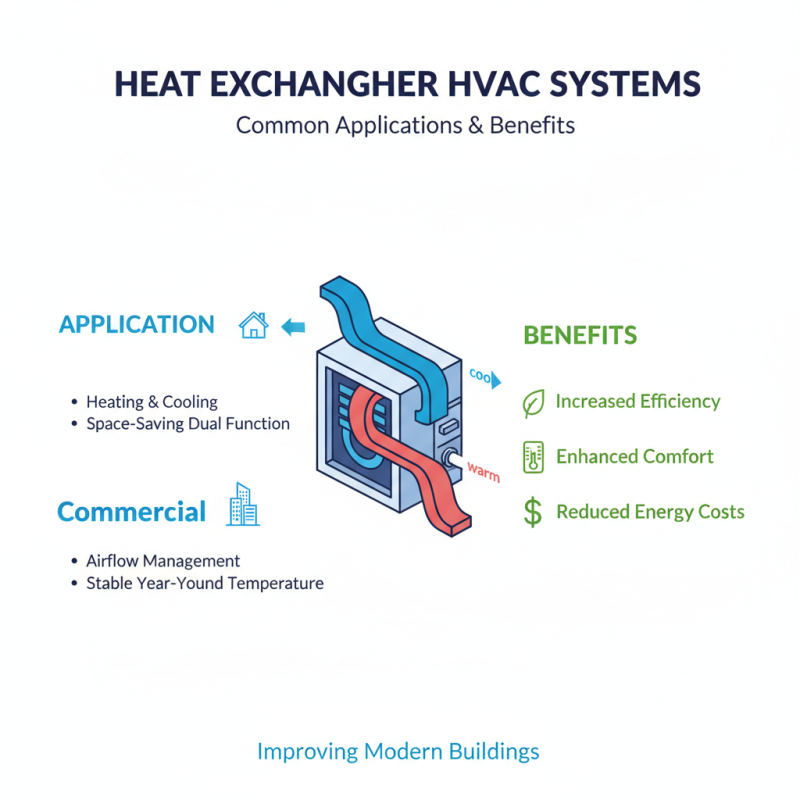
Heat exchanger HVAC systems offer various applications that enhance efficiency and comfort. They are commonly used in residential and commercial buildings. In homes, these systems provide both heating and cooling. This dual functionality saves space and reduces the need for multiple devices. In larger facilities, heat exchangers effectively manage airflow. They help maintain a stable temperature year-round.
The benefits of these systems are substantial. Energy savings are a major advantage. By recycling waste heat, heat exchangers minimize energy expenses. This recycling process not only lowers costs but also reduces environmental impact. Another benefit is improved indoor air quality. These systems often include filters, which help eliminate dust and pollutants. However, regular maintenance is essential. Neglected systems can lose efficiency and affect air quality.
While heat exchanger systems are beneficial, they aren't without challenges. Installation can be complex. Areas with space constraints may struggle with effective placement. Understanding airflow patterns is crucial for optimal results. Even after installation, monitoring performance is vital. Sometimes, users may overlook maintenance needs. Awareness of these factors can lead to better decision-making.