How to Choose the Right Heat Exchanger for HVAC Systems?
Choosing the right heat exchanger for HVAC systems is crucial for efficiency and performance. According to the 2022 HVAC Industry Report, approximately 35% of energy consumption in buildings is attributed to heating and cooling. This underscores the importance of selecting appropriate heat exchangers in HVAC applications.
As noted by John Smith, a leading expert in the Heat Exchanger HVAC industry, "The right heat exchanger can significantly improve energy efficiency and reduce operational costs." This statement highlights the need for careful consideration when selecting components for HVAC systems. Proper sizing, type, and material can impact not only performance but also long-term sustainability.
However, challenges exist in navigating the myriad of options available. Many professionals overlook key factors like fluid dynamics and heat transfer coefficients. This can lead to inefficient designs and costly operational issues. Thus, expertise in heat exchanger selection is vital for achieving optimal HVAC efficiency.
Understanding the Basics of Heat Exchangers in HVAC Systems
Heat exchangers play a pivotal role in HVAC systems, influencing efficiency and performance. Understanding the basics helps in selecting the appropriate type. These devices facilitate heat transfer between two or more fluids without mixing them. This principle is essential for heating, cooling, and ventilation applications.
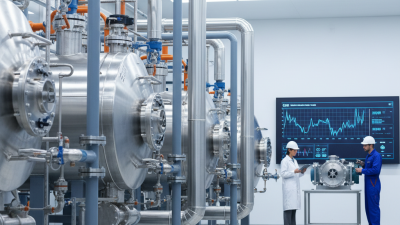
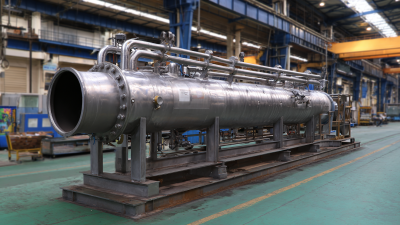
Data from the U.S. Department of Energy indicates that efficient heat exchangers can improve HVAC performance by up to 30%. This improvement translates to significant energy savings. Types of heat exchangers, such as shell-and-tube or plate types, each serve different needs. Shell-and-tube exchangers are robust and suitable for high-pressure applications. Conversely, plate exchangers are more compact but may not handle high pressure as effectively.
Choosing the right heat exchanger also depends on the working environment. Factors such as fluid temperature, pressure, and desired heat transfer efficiency must be considered. A mismatch can lead to increased maintenance costs. Many professionals overlook this, which can cause system inefficiencies. Thus, understanding the basic principles, coupled with precise measurements, is crucial for informed decisions. Adopting an analytic approach to evaluate specific requirements will ultimately yield better outcomes.
Identifying the Types of Heat Exchangers Suitable for Your Needs
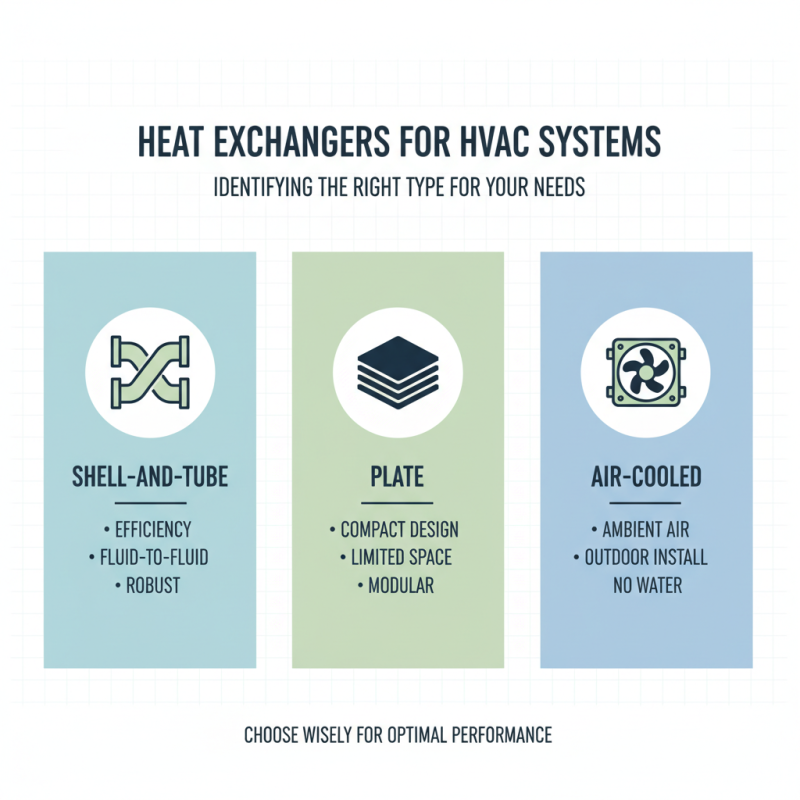
When selecting a heat exchanger for HVAC systems, understanding the various types is crucial. Each type caters to specific needs and operating conditions. Common types include shell-and-tube, plate, and air-cooled heat exchangers. Shell-and-tube units are often preferred for their efficiency in transferring heat between two fluids. Plate heat exchangers, meanwhile, offer compact designs and are suited for limited space. Air-cooled heat exchangers utilize ambient air, making them ideal for outdoor installations.
Considering your environment is key. For high-efficiency requirements, a plate heat exchanger might be your best bet. However, choice also depends on the fluids involved. Some fluids can cause fouling, necessitating a type that’s easy to clean. Reflecting on the operational context, such as the required temperature and pressure, will guide your decision-making. A fastidious approach to these factors can prevent costly mistakes down the line. Hence, thorough research and expert consultation for installation and maintenance are advisable. This diligence cultivates a reliable and efficient HVAC system tailored to your needs.
Evaluating Efficiency and Performance Metrics in Heat Exchangers
Choosing the right heat exchanger for HVAC systems begins with evaluating
efficiency and performance metrics. Efficiency indicates how effectively a heat exchanger
transfers heat between two fluids. A common metric is the overall heat transfer coefficient (U-value),
which reflects material and design efficiency. Research shows that well-designed heat exchangers can
improve energy efficiency by up to 30%. This can
significantly reduce operational costs over time.
Performance metrics also include pressure drop and
flow rate. High pressure drop can lead to increased energy costs.
The ideal heat exchanger design minimizes this while maximizing flow rates. Studies
reveal that the balance between these metrics is crucial
for optimal system design. For instance, excessive flow rates may strain components, leading to
premature failures.
While aiming for high efficiency, it’s essential to recognize potential trade-offs. For example, a
design that maximizes heat transfer could compromise durability. Users must regularly evaluate their
systems, adjusting based on real-world performance data. Real-world
conditions may deviate from design assumptions, requiring ongoing assessment and optimization
for peak performance.
Assessing Size and Installation Requirements for Heat Exchangers
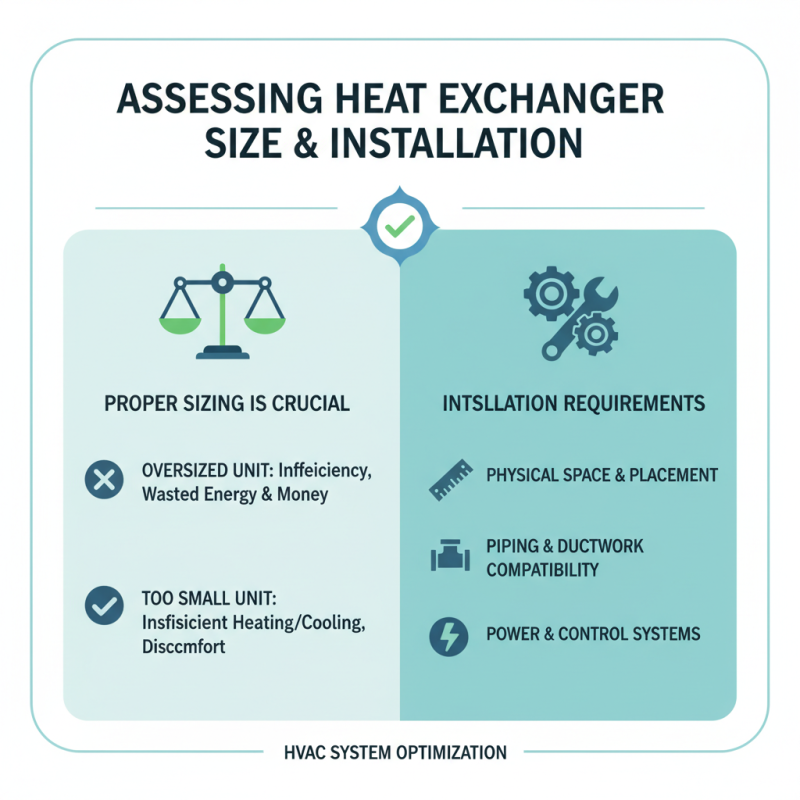
Choosing the right heat exchanger for HVAC systems starts with considering size and installation requirements. Proper sizing is crucial. An oversized unit can lead to inefficiency, wasting energy and money. Conversely, a unit that is too small may struggle to meet heating or cooling demands, leading to discomfort.
When assessing installation requirements, ensure there is adequate space and proper access for maintenance. Think about existing ductwork and plumbing. Limited space can complicate installation and increase costs. It's vital to evaluate any physical constraints in the area. Consider how the heat exchanger integrates with other HVAC components.
**Tips:** Always consult a professional who understands local building codes and regulations. It might save you from costly mistakes. Also, remember that installation takes time. Plan accordingly to minimize disruptions to your space. Reflection on these factors can lead to better performance and longevity of the system.
Considering Maintenance and Cost Factors in Heat Exchanger Selection
When selecting a heat exchanger for HVAC systems, maintenance and cost are critical factors. Regular inspections can prevent costly replacements. A heat exchanger that is hard to access might increase long-term costs due to labor. Ease of cleaning and maintenance should guide your choice. Opting for units with simple disassembly can lower maintenance time and costs.
Cost considerations extend beyond the initial purchase price. Energy efficiency impacts overall expenses. A less efficient model may seem cheaper upfront but could lead to higher utility bills. Investing in a more efficient design can result in savings over time. Don't overlook the potential for unexpected repair costs, which can arise from choosing the wrong unit.
Finding the right balance between quality and cost requires careful thought. Consulting with professionals can provide insights based on experience. They can help identify the best option tailored to your needs and budget. Ultimately, the right choice in a heat exchanger can influence the performance and longevity of your HVAC system. Reflect on these factors to make an informed decision.