How to Source Brazed Heat Exchangers at the 139th Canton Fair?
The upcoming 139th Canton Fair, scheduled from April to May 2026, is an essential event for sourcing various industrial products, including Brazed Heat Exchangers. This year, the fair is introducing advanced features like AI-powered searches and navigation. These innovations will prove beneficial for purchasing decision-makers seeking efficient suppliers.
Brazed Heat Exchangers play a crucial role in modern thermal management systems. According to industry reports, the global market for heat exchangers is projected to grow at a CAGR of 6.5% through 2030. This indicates a heightened demand for efficient and robust thermal solutions. At the fair, suppliers will be vetted based on specific certifications like ISO and CE. This filtering process can streamline the sourcing of quality products.
Navigating over 1.5 million square meters of exhibition space can be daunting. Utilizing the AI navigation will help buyers traverse the venue more efficiently. However, it still requires a strategic approach to identify and engage with the right suppliers. Finding reliable partners for Brazed Heat Exchangers at the fair is crucial, yet it also poses challenges in distinguishing between various offerings.

Understanding Brazed Heat Exchangers and Their Applications
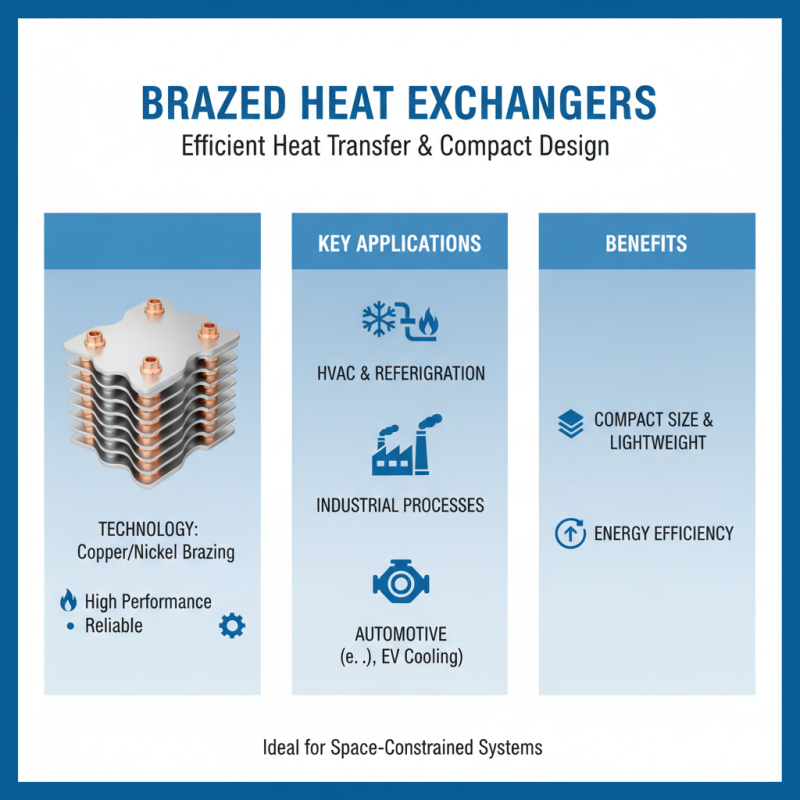
Brazed heat exchangers are crucial in various applications. They efficiently transfer heat in HVAC systems, refrigeration, and industrial processes. The design incorporates copper or nickel, providing high performance and reliability. These units are ideal for compact spaces due to their small size and lightweight.
When sourcing these heat exchangers, consider the materials used. The choice of brazing material affects the longevity and efficiency of the unit. Testing and certifications are also important. Make sure they meet industry standards for safety and quality.
**Tips:** Focus on specific applications when discussing your needs. Understand the technical specifications that matter for your project. Don't hesitate to question manufacturers about their quality control processes. Sourcing can be challenging, and getting these details right is vital. Additionally, keep an eye on market trends to ensure you stay competitive.
Identifying Reliable Suppliers at the Canton Fair
Finding reliable suppliers at the Canton Fair requires careful consideration. The market for brazed heat exchangers is projected to reach $4.6 billion by 2025, according to industry reports. This indicates a significant opportunity. However, not all suppliers are trustworthy.
It’s crucial to verify a supplier’s credentials. Look for companies with certifications that meet international standards. Engage with suppliers directly at their booths. Ask about their production processes and quality controls. Many suppliers will have samples available. This allows for real-world evaluation.
Inconsistencies in product quality can arise. Some suppliers may promise high performance but deliver subpar results. Perform due diligence. Request references and testimonials from previous clients. A thorough check can save you from costly mistakes. Always be prepared to ask hard questions; it’s your investment at stake.
Navigating the Canton Fair: Key Tips for Successful Sourcing
Navigating the Canton Fair can be a challenging yet rewarding experience for sourcing brazed heat exchangers. Familiarity with the venue is essential. The fair hosts thousands of exhibitors. You might feel overwhelmed by the options. Take time to review the layout beforehand. Creating a list of targeted suppliers helps maintain focus during your search.
Engaging with suppliers requires preparation. Bring specific questions to ask about their products. Clarify your requirements to see who meets your needs. Some suppliers may not have their product specifications readily available. It can lead to frustration. Ensure you have a way to take notes or photos of their offerings. It's easy to forget details in the moment.
Follow up after the fair. Many suppliers provide contact information, but responses can vary. Some may not reply promptly. Building a good relationship takes effort. Maintain communication and express interest to stand out. This step is vital to ensuring a successful sourcing process in the long run.
How to Source Brazed Heat Exchangers at the 139th Canton Fair
| Aspect |
Details |
| Event Location |
Guangzhou, China |
| Dates |
April 15-19, 2023 |
| Product Type |
Brazed Heat Exchangers |
| Key Considerations |
Quality, Price, Manufacturer Reliability |
| Sourcing Strategy |
Direct Engagement, Sample Requests, Verification of Certifications |
| Networking Opportunities |
Industry Meetups, Manufacturer Presentations |
| Post-Fair Actions |
Follow-Up Communication, Negotiation, Final Selection |
Evaluating Quality and Specifications of Heat Exchangers
When sourcing brazed heat exchangers, quality and specifications are critical. Not all products meet the industry standards. According to a recent report by the International Heat Transfer Association, around 30% of heat exchangers fail to comply with thermal performance metrics. This indicates a pressing need for careful evaluation.
Inspecting materials is one key step. High-quality brazed heat exchangers typically use stainless steel or copper. These materials improve durability and thermal efficiency. A significant percentage, about 40%, of heat exchangers exhibit corrosion within five years. Understanding construction techniques is equally important. Poor brazing methods can lead to leaks over time.
Product specifications must align with industry requirements. For residential applications, a heat transfer capacity of 50 kW is standard. For industrial needs, this can rise above 200 kW. However, mismatched specifications can lead to inefficiencies. Up to 25% of users reported inadequate performance due to incorrect sizing. It’s worth reflecting on how even minor oversights in quality checks can have significant implications.
Negotiating Prices and Terms with Suppliers at the Fair
Navigating price negotiations at the Canton Fair can be challenging. Suppliers often quote higher prices initially. To counter this, understanding market trends is essential. According to a recent industry report, the global market for heat exchangers is projected to reach $29.27 billion by 2025, exhibiting a compound annual growth rate (CAGR) of 8.2%. This data highlights the increasing demand, influencing supplier pricing.
When engaging with suppliers, be prepared to ask questions. Understand their pricing structures and margins. Discussing material costs or production processes can reveal negotiation levers. Many suppliers may not disclose these details upfront. Employing strategic price negotiation molds the discussion favorably. For instance, citing competitive pricing from industry reports can strengthen your bargaining position.
It's crucial to consider the terms of purchase as well. Payment terms, delivery timelines, and warranties should not be overlooked. Research shows that buyers often focus too much on the price, neglecting other essential terms. A 2019 survey indicated that 57% of buyers regretted not negotiating better terms. Reflecting on this, create a balanced approach that goes beyond the price tag. This mindset can lead to more favorable arrangements.
Average Prices for Brazed Heat Exchangers at the 139th Canton Fair