How to Improve Plate Heat Transfer Efficiency in 2026?
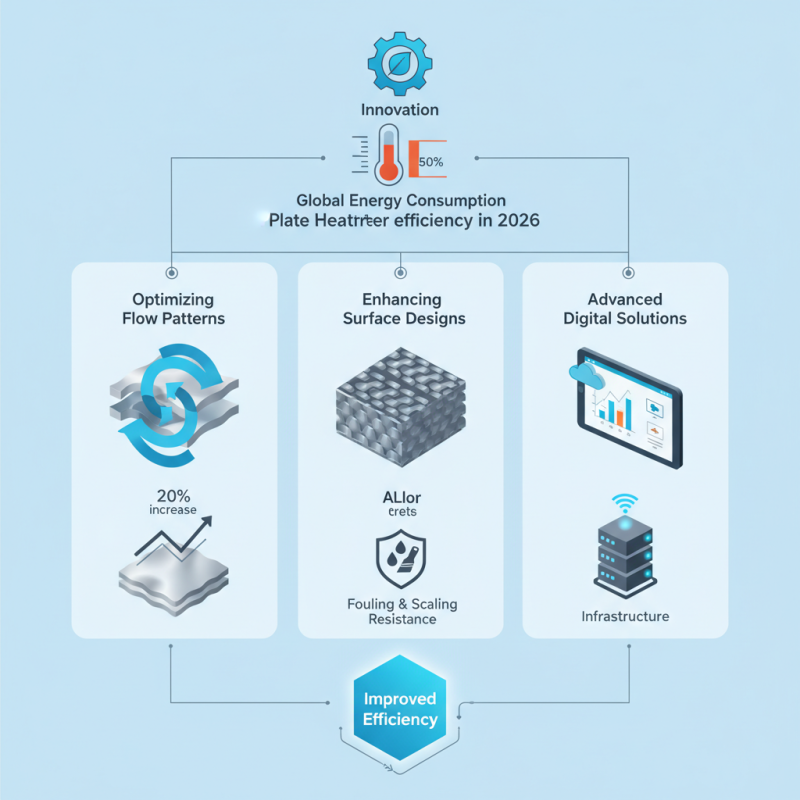
In the quest to enhance Plate Heat Transfer efficiency, industry experts emphasize the need for innovation. According to the latest report by the International Energy Agency, thermal energy accounts for over 50% of global energy consumption. This highlights the significance of improving heat transfer technologies. The efficiency of plate heat exchangers plays a crucial role in reducing energy losses in various sectors, from food processing to chemical engineering.
Research shows that optimizing flow patterns and enhancing surface designs can yield substantial improvements. For instance, adjusting the plate geometry can lead to a 20% increase in heat transfer rates. However, achieving this involves challenges, such as balancing cost and performance. Manufacturers must confront the reality of finding the best materials and designs that resist fouling and scaling, which can detract from efficiency.
Moreover, the implementation of advanced digital solutions presents new opportunities and hurdles. Real-time monitoring can assist in identifying inefficiencies, yet it requires proper infrastructure to be effective. The path to improved Plate Heat Transfer efficiency is intricate, calling for a meticulous approach grounded in both scientific understanding and practical application.
Current Challenges in Plate Heat Transfer Efficiency
Improving plate heat transfer efficiency presents several challenges. One major issue is fouling, which occurs when deposits accumulate on heat transfer surfaces. This leads to reduced heat transfer rates and higher energy costs. Regular cleaning is essential, yet it can be time-consuming and costly, hindering operational efficiency.
Another challenge is the design of plate materials. While advanced materials can enhance thermal conductivity, they may also compromise durability. The balance between efficiency and longevity is often difficult to achieve. Engineers must carefully select materials that can withstand harsh conditions while maintaining optimal performance.
Moreover, fluid dynamics plays a crucial role in efficiency. Changing flow patterns can significantly affect heat transfer rates. However, predicting the behavior of fluids in various configurations remains complex. Computational models can help, but they often require extensive tuning and validation. Understanding these factors is critical for future advancements in plate heat transfer technology.
How to Improve Plate Heat Transfer Efficiency in 2026? - Current Challenges in Plate Heat Transfer Efficiency
| Parameter |
Current Value |
Target Value (2026) |
Challenges |
| Heat Transfer Coefficient |
250 W/m²K |
350 W/m²K |
Material limitations, fouling |
| Plate Thickness |
3 mm |
2 mm |
Mechanical strength, durability |
| Flow Rate |
1.5 m³/h |
2.5 m³/h |
Pumping energy cost, pressure drop |
| Fouling Resistance |
0.02 m²K/W |
0.01 m²K/W |
Cleaning frequency, surface treatment |
| Operating Temperature |
150 °C |
200 °C |
Material limits, safety concerns |
Innovative Materials for Enhanced Heat Transfer
Innovative materials are crucial for improving plate heat transfer efficiency. In recent years, researchers have explored advanced composites and nanostructured materials. These innovations provide higher thermal conductivity and enhanced durability. For example, graphene-infused coatings can dramatically improve heat exchange rates. The unique properties of such materials can lead to remarkable efficiency gains.
Another promising direction is the use of phase change materials (PCMs). PCMs absorb and release thermal energy during phase transitions. This can help regulate temperature fluctuations, leading to more stable operations. However, integrating these materials into existing systems remains a challenge. Compatibility issues and cost factors often surface during the development process. Addressing these obstacles requires collaboration between materials scientists and engineers.
Recent studies have indicated that bio-inspired materials could also play a role. Mimicking natural phenomena may unveil new pathways for heat transfer enhancement. Yet, this field is still in its infancy. Much research is needed to validate these approaches. The journey toward optimizing heat transfer in plate systems is filled with opportunities and hurdles. Continuous experimentation and open-mindedness in material selection will be paramount.
Advanced Designs and Configurations of Plate Heat Exchangers
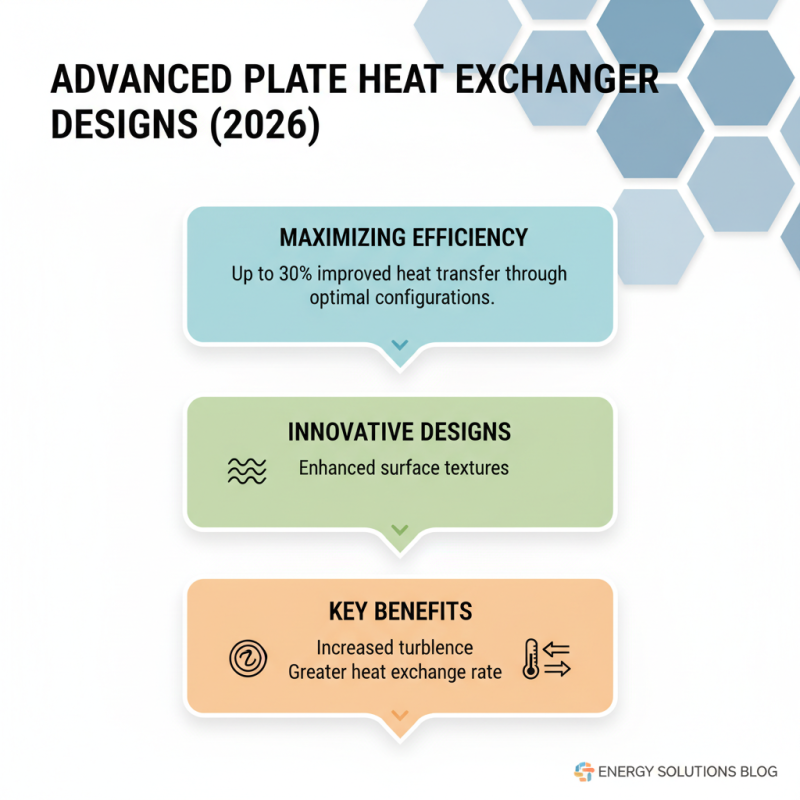
In 2026, maximizing the efficiency of plate heat exchangers will rely heavily on advanced designs and configurations. Recent studies show that optimizing plate configurations can improve heat transfer effectiveness by up to 30%. Innovative designs, such as those featuring enhanced surface textures, play a crucial role in achieving this efficiency. These textured surfaces increase turbulence, promoting a greater heat exchange rate between fluids.
Furthermore, the material selection in plate heat exchangers can significantly impact their performance. Using high-conductivity materials can reduce thermal resistance. Research indicates that materials like titanium and high-grade stainless steels enhance durability and maintain performance even in challenging environments. However, higher costs associated with these materials may present budgetary concerns.
Retrofit options for existing systems also deserve attention. By implementing advanced gaskets and flow arrangements, efficiency can be improved without a complete overhaul. Data suggest that some retrofitting solutions can yield improvements of around 20% in thermal efficiency. It’s important to carefully evaluate the trade-offs involved in every configuration and design choice to ensure optimal results. These considerations will lead to more sustainable and effective heat exchange solutions in the years to come.
Future Technologies in Heat Transfer Optimization for 2026
In 2026, enhancing plate heat transfer efficiency is crucial. Innovations in materials and design play a significant role in this process. Advanced composite materials can increase thermal conductivity by 50%. Even small design tweaks can lead to better fluid flow patterns, significantly optimizing performance.
Emerging technologies like 3D-printed heat exchangers are reshaping the industry. They allow for complex geometries that traditional methods cannot achieve. These designs improve the heat transfer surface area, enhancing efficiency. However, challenges remain with scalability and cost-effectiveness in production processes.
Data from recent reports highlight the importance of real-time monitoring. Sensors integrated into systems can provide insights into heat transfer effectiveness. This allows for timely adjustments and ongoing improvements. Yet, the widespread adoption of such technologies has been slow, indicating a gap between innovation and implementation.
How to Improve Plate Heat Transfer Efficiency in 2026?