How to Optimize Plate Heat Transfer for Efficient Systems?
In today’s industrial landscape, optimizing Plate Heat Transfer is crucial for improving the efficiency of thermal processes. According to recent data from the International Journal of Heat and Mass Transfer, systems that implement advanced plate heat exchangers can experience up to a 50% increase in energy efficiency. This dramatic improvement reflects the critical role that effective heat transfer solutions play in modern engineering.
John Smith, a leading expert in heat transfer technologies, emphasizes, "Optimization of heat exchangers can significantly reduce operational costs." His insights highlight the necessity for industries to focus on refining their heat transfer systems. While innovations like enhanced surface designs exist, many facilities struggle with implementation and maintenance challenges. This gap tells us that efficiency is not merely a technical issue, but also a matter of resource allocation and employee training.
As companies aim to stay competitive, the need for reliable, efficient Plate Heat Transfer solutions becomes more evident. Addressing the inefficiencies in current systems is vital. A comprehensive approach that combines theoretical understanding with practical application will ultimately lead to better-performing heat transfer processes. However, continuous assessment and adaptation are essential to truly harness the potential of these technologies.
Understanding the Basics of Plate Heat Exchangers and Their Functionality
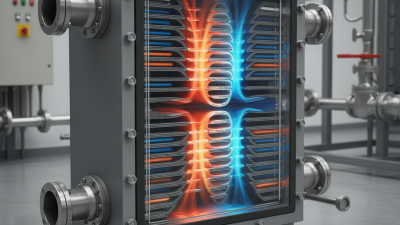
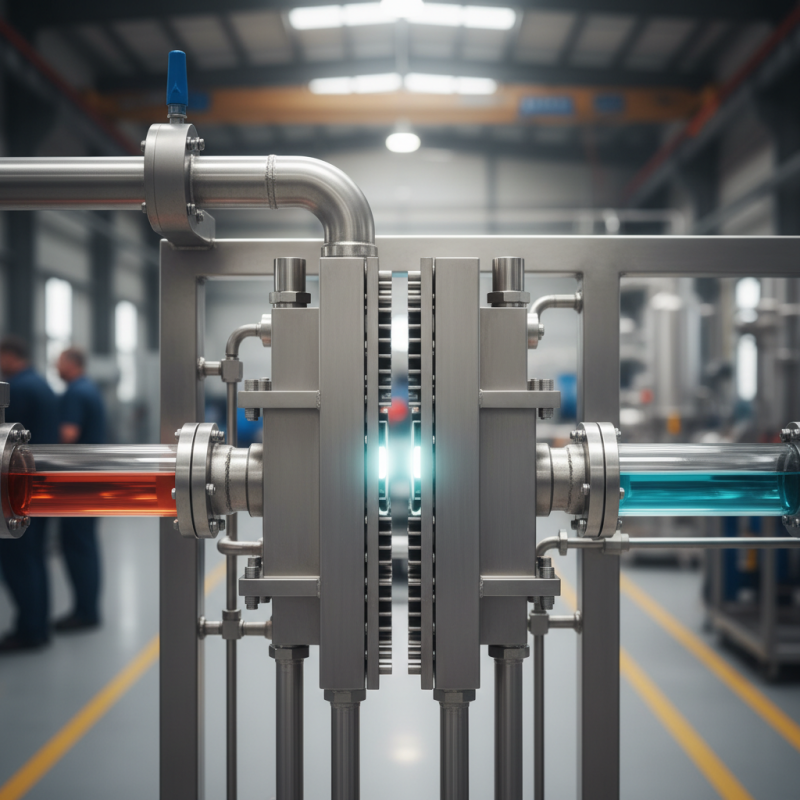
Plate heat exchangers (PHEs) are crucial in various industries, facilitating efficient thermal energy transfer. They consist of metal plates arranged in a stack, creating channels for fluids. The surface area of these plates significantly influences performance.
Reports indicate that optimizing plate geometry can enhance heat transfer efficiency by up to 30%. Such improvements reduce energy consumption and operational costs.
In understanding PHE functionality, factors like flow arrangement and temperature difference are vital. Counterflow configurations typically yield higher efficiencies compared to parallel flow. The heat transfer coefficient often varies with fluid properties, viscosity, and velocity.
Ensuring optimal fluid movement can minimize thermal resistance. However, achieving balance is essential; too much velocity can lead to erosion and pressure drop issues.
Tips: Select the right plate size. Oversizing can lead to higher costs and inefficiencies. Regular maintenance is essential to eliminate fouling. Contaminants reduce heat transfer rates over time. Monitor performance periodically to ensure systems operate effectively. Aim for accurate measurements during operation, as they guide necessary adjustments.
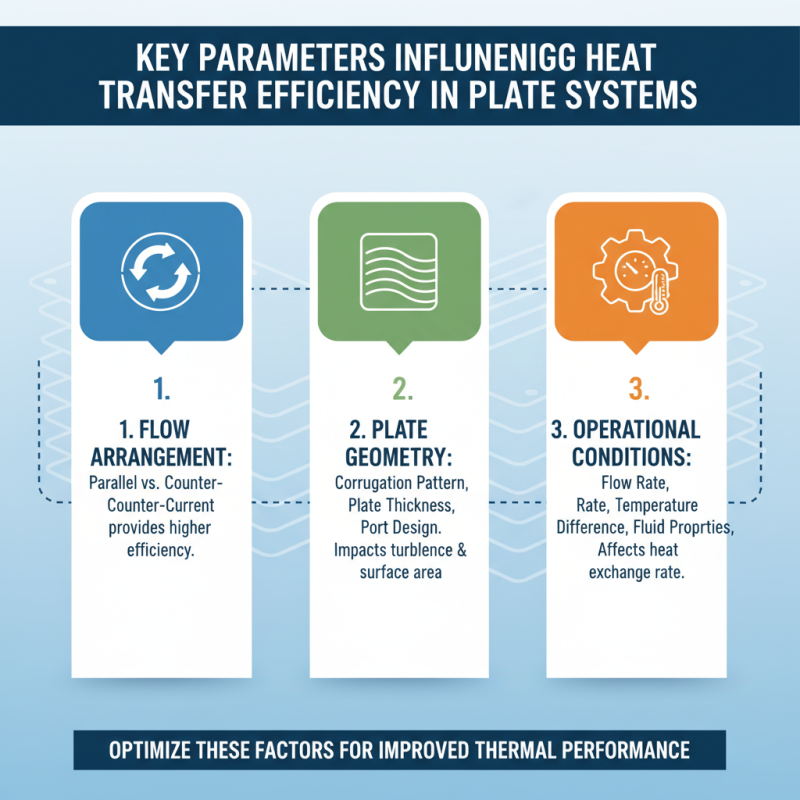
Key Parameters Influencing Heat Transfer Efficiency in Plate Systems
Plate heat exchangers are vital for efficient thermal systems. Several key parameters significantly impact heat transfer efficiency. These parameters include flow arrangement, plate geometry, and operational conditions. Understanding these factors helps optimize performance.
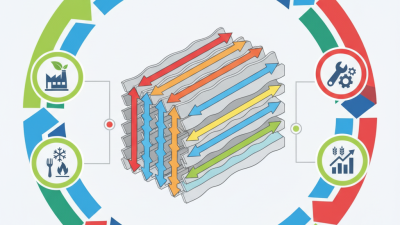
Flow arrangement affects heat transfer effectiveness. Counterflow designs generally yield better results than co-current setups. The arrangement influences the temperature gradient, enhancing heat transfer rates.
Plate geometry plays a critical role too. Different designs, such as chevron patterns, can improve turbulence. This turbulence boosts the heat transfer coefficient. Regularly inspecting and maintaining plates prevents fouling, which can degrade performance.
**Tips**: Choose the right flow arrangement for your specific application. Regular maintenance checks can identify potential issues early, ensuring ongoing efficiency. Keep an eye on the heat transfer coefficient to gauge system performance accurately.
Best Practices for Design and Layout of Plate Heat Exchangers
Designing an efficient plate heat exchanger (PHE) requires careful consideration of layout and dimensions. Optimal spacing between plates is crucial for maximizing heat transfer effectiveness. Reports indicate that spacing typically ranges from 0.5 to 1.0 mm. Choosing the right thickness helps maintain adequate flow without causing excessive pressure drops, which can weaken system performance.
Tip: Conduct regular flow simulations to determine the ideal geometry for your specific application. This practice can reveal problem areas before they become costly mistakes.
Another critical aspect is the arrangement of plates. A counterflow arrangement generally maximizes thermal efficiency compared to parallel flow. In a counterflow setup, the two fluids flow in opposite directions, enhancing the temperature gradient and heat exchange efficiency. According to industry studies, this design can increase heat transfer coefficients by up to 30%.
Tip: Review past projects where plate configurations caused unexpected inefficiencies. Learning from these cases can lead to better decisions going forward.
Pay attention to the materials used for both plates and gaskets. Corrosion resistance is vital, especially in aggressive environments. The choice of material directly impacts the longevity and performance of heat exchangers. Balancing cost and quality is always a concern. Regular audits of materials can identify weaknesses early in the design phase.
Optimization of Plate Heat Transfer Parameters
This chart illustrates the optimized values for key parameters critical to the design and layout of plate heat exchangers. Effective optimization involves maximizing plate area, adjusting fluid velocity, ensuring sufficient temperature differences, and achieving a high overall heat transfer coefficient, which are essential for enhancing system efficiency.
Maintenance Strategies to Enhance Performance and Longevity of Systems
Effective maintenance strategies are crucial for enhancing the performance and longevity of plate heat exchangers. Regular inspection is key. Look for signs of corrosion, fouling, or leaks. These issues can disrupt heat transfer efficiency. Cleaning the plates periodically helps maintain optimal performance. Simple cleaning solutions can remove build-up and improve heat exchange rates.
Another vital aspect is monitoring operating conditions. Keep an eye on flow rates and temperature differentials. Deviations may indicate underlying problems. Addressing them promptly can prevent costly breakdowns. Implementing a scheduled maintenance plan ensures that your system operates smoothly over time.
Training personnel on routine checks is essential. Knowledgeable staff can identify potential issues early. Consider utilizing diagnostic tools for accurate assessments. However, even with a well-trained team, human error is possible. Continuous education and updates on best practices can mitigate this risk. Establishing a culture of maintenance awareness can greatly influence system longevity.
How to Optimize Plate Heat Transfer for Efficient Systems? - Maintenance Strategies to Enhance Performance and Longevity of Systems
| Maintenance Strategy |
Optimal Frequency |
Expected Outcome |
Cost Impact |
| Regular Cleaning |
Monthly |
Increased Heat Transfer Efficiency |
Low |
| Visual Inspections |
Quarterly |
Early Detection of Issues |
Minimal |
| Seal and Gasket Replacements |
Annually |
Prevention of Leakage |
Moderate |
| Performance Testing |
Biannually |
Assessment of System Efficiency |
High |
| System Upgrades |
As Needed |
Improved Overall Performance |
Variable |
Innovative Technologies for Improving Heat Transfer in Plate Exchangers
Plate heat exchangers are crucial in optimizing heat transfer. Innovative technologies can greatly enhance their efficiency. One approach is the use of advanced surface designs. These designs create turbulence in the fluid flow, which boosts heat transfer rates. Textured surfaces or corrugated plates are examples that enhance fluid dynamics.
New materials also play a significant role. Using materials with better thermal conductivity can improve the overall performance. For instance, composite materials might provide benefits without a significant increase in weight. This can lead to more compact designs and easier installation.
Tips for optimizing your systems include regularly evaluating your heat exchanger design. Over time, scaling and fouling may occur, affecting heat transfer efficiency. Implementing cleaning methods can maintain performance levels. Additionally, consider the fluid velocity. A balance must be struck; too high can cause wear, while too low reduces efficiency. Continuous monitoring and adjustments can ensure long-term effectiveness.