Why Choose Heating Plate Heat Exchanger for Efficient Heating?
In industrial heating processes, choosing the right equipment is crucial. The Heating Plate Heat Exchanger stands out for its efficiency. This technology offers high thermal transfer rates, suitable for various applications.
The design of the heating plate allows it to operate effectively in compact spaces. Users often report improved energy savings compared to traditional methods. Moreover, maintenance is relatively straightforward, promoting reliability in operations.
However, it’s essential to consider fluid compatibility and pressure requirements. Not every setup benefits equally from a Heating Plate Heat Exchanger. Understanding specific needs is vital. By evaluating both advantages and limitations, one can make informed decisions for optimal heating solutions.
Types of Heating Plate Heat Exchangers and Their Applications
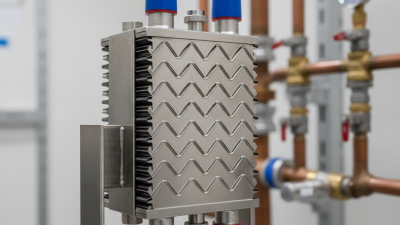
Heating plate heat exchangers are essential in various industries. They effectively transfer heat between fluids, optimizing energy use. These exchangers come in several types, each suited for different applications.
One common type is the gasketed plate heat exchanger. It is highly flexible and easy to maintain. Industries like food and beverage use this design for pasteurization processes. Its ability to withstand high temperatures and pressures makes it an ideal choice. Another type is the welded plate heat exchanger. It is more compact and suits high-pressure environments. Chemical processing facilities often rely on this type. Its durability is a significant advantage.
Tips for selecting the right heat exchanger: Know your required temperature ranges. Understand fluid properties thoroughly. Regular maintenance helps prolong the exchanger's lifespan. Efficient heating depends on choosing the right type for your needs. Don't overlook these details; they matter greatly.
Advantages of Heating Plate Heat Exchangers over Traditional Systems
Heating plate heat exchangers offer several advantages over traditional systems, making them an ideal choice for efficient heating. One of the key benefits is their compact design. These units often require less space, making them suitable for various applications. According to a recent industry report by the International Energy Agency, heating plate heat exchangers can improve thermal efficiency by up to 30% compared to conventional models. This efficiency can lead to significant energy savings.
Another advantage lies in their enhanced heat transfer capabilities. The plates create turbulent flow, promoting better heat transfer and reducing energy consumption. A study published in the Journal of Energy Resources Technology highlights that these exchangers can achieve higher heat transfer coefficients, thus maximizing the heating process. This feature becomes increasingly valuable in industries where energy efficiency is paramount.
Tip: Regular maintenance can further enhance performance. Inspecting seals and cleaning the plates can prevent efficiency losses.
While these systems are efficient, they do require careful consideration of their operational conditions. Overlooking fouling potential can lead to performance issues. Understanding the expected operational environment is crucial to harnessing the full benefits of heating plate heat exchangers.
How Heating Plate Heat Exchangers Improve Energy Efficiency
Heating plate heat exchangers have gained popularity for their impressive energy efficiency. These systems utilize a series of plates to transfer heat effectively between two fluids. The design minimizes heat loss and enhances thermal conductivity. This efficiency translates to lower energy consumption, which is crucial in today’s eco-conscious environment.
One key advantage of heating plate heat exchangers is their compact nature. They require less space than traditional systems, making them suitable for tight installations. The increased surface area allows for quick heating, reducing the time needed to reach optimal temperatures. However, improper maintenance can lead to efficiency loss over time. Regular cleaning is essential to prevent scaling and fouling.
Tips for maximizing efficiency: Monitor the temperature differential between the inlet and outlet. A tighter control can enhance performance. Also, consider insulation for hot water pipes to minimize heat loss. Ensure that the system operates within its designed flow rates. This can help achieve consistent performance. Remember, even the best systems require attention and care to function at their best. Regularly scheduled maintenance can save on energy costs in the long run.
Energy Efficiency Comparison of Heating Plate Heat Exchangers
Key Factors to Consider When Choosing a Heating Plate Heat Exchanger
When selecting a heating plate heat exchanger, efficiency is paramount. Consider the thermal conductivity of the materials used. Copper and stainless steel are popular choices. These materials allow for effective heat transfer while resisting corrosion. However, the choice of material can impact your system's lifespan. A cheaper option might save money upfront but could lead to higher replacement costs later.
The design of the heat exchanger itself should also be scrutinized. Look for models that offer optimal surface area without excessive pressure drops. A compact design can save space but may not perform well under all conditions. Assess your specific heating requirements and operating conditions. This ensures that the unit you choose will meet your needs efficiently.
Don’t forget to evaluate the manufacturer's reliability. Consider their track record, warranty, and support services. These factors can make a significant difference in your overall experience. While it’s important to seek expert opinions, trusting your own judgment is crucial. Take the time to inspect and compare different models before making your final decision.
Why Choose Heating Plate Heat Exchanger for Efficient Heating? - Key Factors to Consider When Choosing a Heating Plate Heat Exchanger
| Factor |
Description |
Importance |
Impact on Efficiency |
| Material |
Common materials include stainless steel and titanium, affecting corrosion resistance and thermal conductivity. |
High |
Directly influences heat transfer efficiency and durability. |
| Design |
Configuration of plates affects the flow path and surface area for heat transfer. |
Critical |
Optimized design can significantly boost efficiency. |
| Size |
Size must match the required heating capacity to prevent inefficiency or overheating. |
Very High |
Correct sizing is essential for optimal performance. |
| Flow Rate |
Design allows for both counterflow and parallel flow configurations, affecting efficiency. |
High |
Higher flow rates can enhance heat exchange but may require more energy. |
| Maintenance |
Ease of cleaning affects long-term performance and efficiency maintenance. |
Moderate |
Regular maintenance ensures consistent efficiency over time. |
Maintenance Tips for Optimal Performance of Heating Plate Heat Exchangers
Heating plate heat exchangers are crucial for various heating applications. They provide efficient thermal transfer while maintaining compact designs. To ensure optimal performance, regular maintenance is essential.
One key maintenance tip is to check for leaks frequently. A small leak can lead to significant heat loss, causing inefficiency. According to industry studies, even a 1% leak can reduce efficiency by over 20%. Regularly inspecting seals and connections can prevent these issues.
Cleaning the heat transfer surfaces is another important task. Dust, scale, or residue can hinder heat transfer efficiency. Studies show that clean surfaces can improve performance by up to 30%. Using appropriate cleaning agents and methods is vital. Ensure all cleaning routines align with manufacturer guidelines for safety and effectiveness.
Monitoring temperature and pressure readings can provide essential insights into system performance. Fluctuations may indicate underlying issues requiring immediate attention. Keeping detailed records helps in identifying patterns, making it easier to address problems before they worsen. The small efforts you invest in maintenance can lead to significant energy savings and longevity for your heating plate heat exchanger.