China Top Heat Exchanger Manufacturers and Their Innovative Technologies
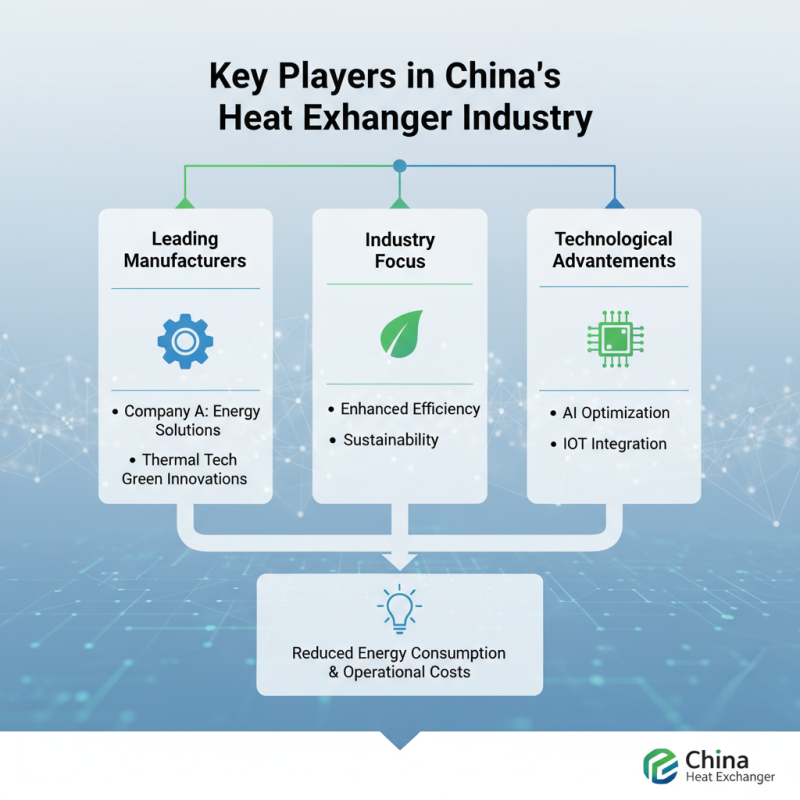
In recent years, China has emerged as a key player in the heat exchanger industry. As industries evolve, the demand for efficient thermal management solutions has grown. Heat exchangers are vital in sectors such as HVAC, petrochemicals, and power generation. Manufacturers in China have responded with innovative technologies, enhancing performance and sustainability.
This article explores the top Chinese heat exchanger manufacturers. It highlights their unique technologies and contributions to the global market. Each company presents distinct approaches to design, materials, and efficiency. Understanding these innovations offers valuable insights into current industry trends.
While China's advancements are impressive, challenges remain. Some manufacturers struggle with quality control and regulatory compliance. Market fluctuations also impact production and innovation timelines. However, the commitment to improving heat exchanger technologies positions these companies for future success.
Overview of Heat Exchanger Manufacturing in China
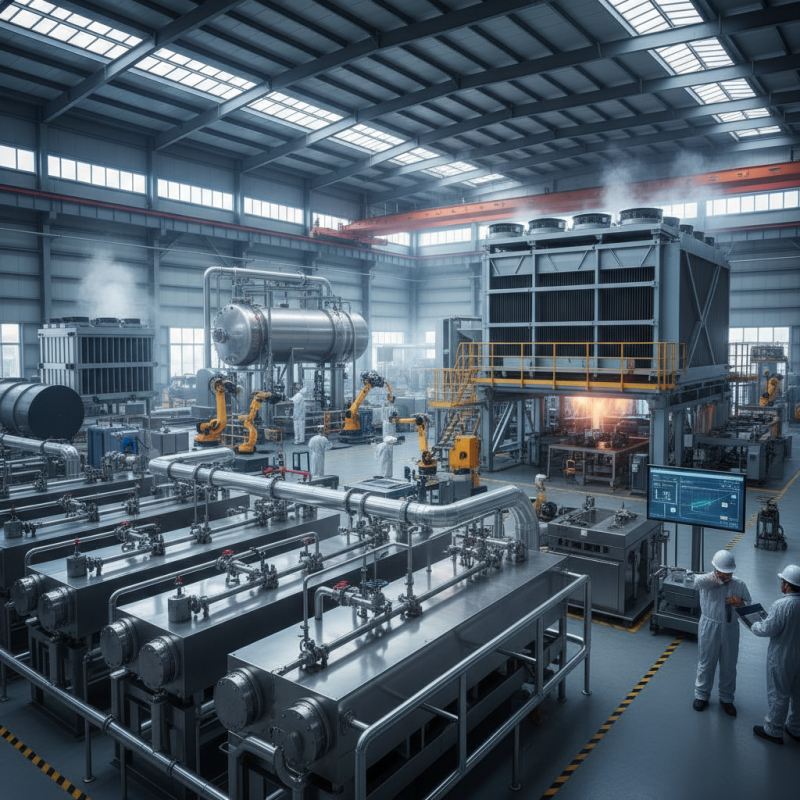
China has rapidly become a global leader in heat exchanger manufacturing. The industry has experienced remarkable growth, propelled by rising energy demands and industrial applications. Reports indicate a market size increase to approximately 11 billion USD by 2025. This growth is largely driven by investments in innovative technologies and improved production efficiency.
Advanced manufacturing techniques are prevalent. For instance, 3D printing and automated assembly line processes are gaining traction. This shift allows for more customized solutions, enhancing operational efficiency for various sectors, including chemical processing and HVAC systems. However, maintaining quality control amidst rapid innovation poses challenges. Ensuring reliability while embracing new technologies requires diligent oversight and skilled workforce training.
Sustainability is another crucial aspect of the industry's evolution. The push for environmentally friendly designs is evident. Many manufacturers are now looking into energy-efficient models that minimize waste. Nonetheless, balancing innovation with sustainability often leads to complex trade-offs. Continuous improvement is essential as the industry navigates these evolving demands while striving to meet high-performance standards.
China Top Heat Exchanger Manufacturers and Their Innovative Technologies
| Manufacturer |
Product Type |
Innovative Technology |
Applications |
| Manufacturer A |
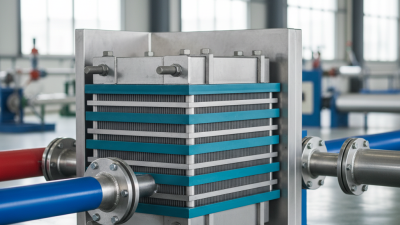
Plate Heat Exchangers |
High-efficiency heat transfer design |
HVAC, Food Processing |
| Manufacturer B |
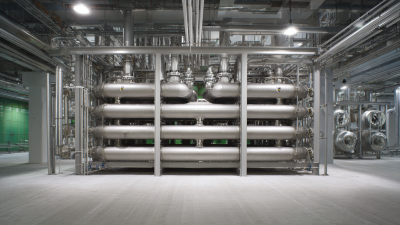
Shell and Tube Heat Exchangers |
Anti-corrosion coating technology |
Petrochemical, Power Generation |
| Manufacturer C |
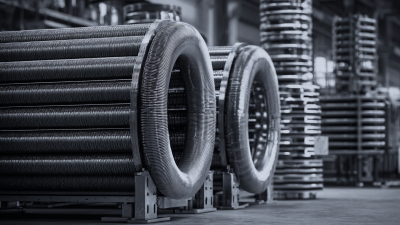
Finn tube Heat Exchangers |
Compact & lightweight construction |
Marine Industry, HVAC |
| Manufacturer D |
Air-Cooled Heat Exchangers |
Low noise and vibration technology |
Industrial Cooling, Oil & Gas |
| Manufacturer E |
Spiral Heat Exchangers |
Enhanced fluid dynamics design |
Wastewater Treatment, Chemical Processing |
Innovative Technologies in Heat Exchange Solutions
In recent years, innovative technologies have transformed heat exchange solutions in China. Advanced materials, such as titanium and high-performance alloys, enhance efficiency while resisting corrosion. Studies show that these materials can improve heat transfer rates by up to 30%. Such advancements boost the overall performance of heat exchangers, making them essential in industries like power generation and petrochemicals.
Data from industry reports reveal that energy-efficient designs are increasingly favored. For instance, compact heat exchangers are becoming popular due to their smaller footprint. This efficiency leads to reduced operational costs, which is critical for industries striving to cut expenses. However, manufacturers face challenges in balancing performance and cost-effectiveness. Striking the right balance requires continuous innovation.
Some companies are exploring hybrid heat exchangers that combine different types of technologies. This approach aims to leverage the strengths of each type. Yet, the complexity of integrating various systems poses its own difficulties. Furthermore, the need for sustainability in manufacturing processes pushes companies to rethink their traditional designs. Despite these challenges, the ongoing research promises a more resilient and efficient future for heat exchangers in China.
Sustainability Practices Among Top Manufacturers
Sustainability is increasingly becoming a focal point among heat exchanger manufacturers in China. Reports indicate that over 70% of leading companies are investing in eco-friendly technologies. This includes materials that reduce energy consumption during production. Using lower carbon emissions in manufacturing is a common practice. Yet, many firms still struggle with waste management.
Innovative technologies are being explored, such as heat exchangers made from recycled materials. These methods can cut material costs and reduce environmental impacts. However, the adoption rate remains low. A recent industry analysis shows that less than 30% of companies have switched to these sustainable options. Many still rely on traditional methods, raising questions about long-term viability.
The shift toward sustainability is not uniform. Some manufacturers have robust programs in place, while others lag behind. The disparity highlights the need for shared best practices across the industry. Challenges in transitioning to greener technologies must be addressed. Overall, the commitment to sustainability is clear, but significant gaps remain.
China's Top Heat Exchanger Manufacturers - Sustainability Practices
This chart represents the innovative sustainability practices adopted by leading heat exchanger manufacturers in China, showcasing their commitment to reducing environmental impact.
Future Trends in China's Heat Exchanger Market
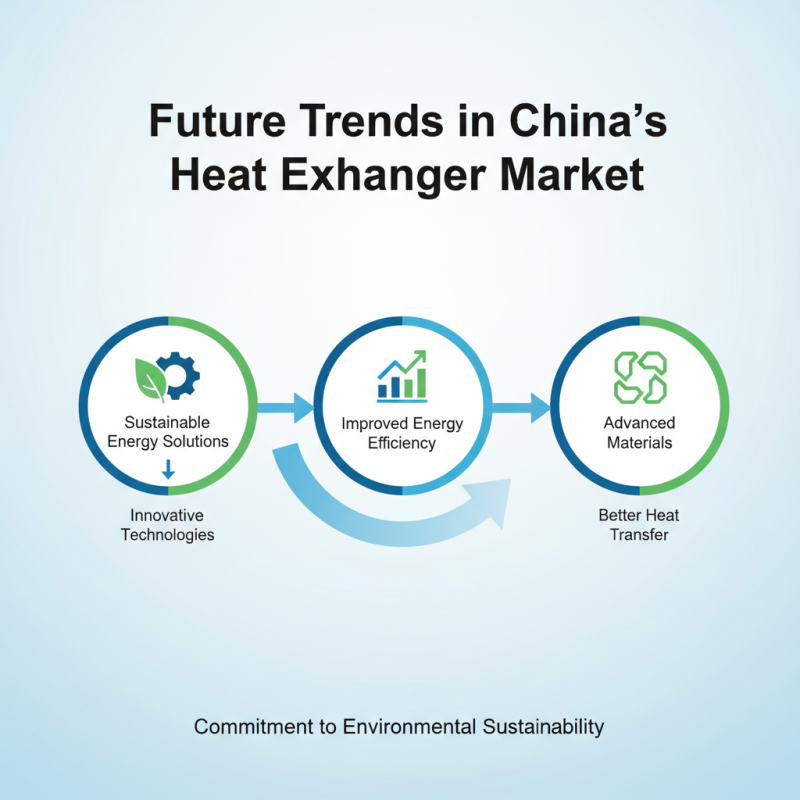
The heat exchanger market in China is evolving. With a growing focus on sustainable energy solutions, manufacturers are venturing into innovative technologies. This shift supports improved energy efficiency. Advanced materials are also gaining traction, promising better heat transfer performance. Such developments reflect the country's commitment to environmental sustainability.
Current trends include the use of compact designs. Smaller footprint heat exchangers occupy less space, which is crucial in urban areas. Additionally, digital technologies are playing a vital role. Predictive maintenance tools are becoming common, reducing downtime. These innovations, however, require skilled technicians. There may be challenges in workforce training and adaptation.
The move towards green technologies is significant. Heat exchangers are becoming essential in renewable energy systems. Enhanced performance can help meet strict emission regulations. Yet, the industry faces hurdles in material durability. Balancing cost with performance remains a persistent issue. As the market grows, these factors will shape future innovations.