Top Heat Exchanger PHE Trends for Global Buyers at 2026 Canton Fair?
As global industries seek efficient energy solutions, the market for Heat Exchanger PHE continues to flourish. According to recent industry reports, the global market for heat exchangers is projected to reach $20 billion by 2026, driven by advancements in technology and a growing demand for energy-efficient systems. The upcoming 2026 Canton Fair presents a unique opportunity for buyers and suppliers to explore the latest trends in this vital sector.
With the introduction of AI-driven features, buyers can now filter suppliers based on essential qualifications like ISO and CE certifications. This advancement enhances the efficiency of navigating the expansive 1.55 million square meters exhibition space. However, amid these promising developments, challenges persist. Not all suppliers meet the necessary standards, resulting in potential mismatches.
It is essential for buyers to thoroughly assess the quality of Heat Exchanger PHE systems. Evaluating supplier capabilities is crucial. Expecting optimal performance without due diligence may lead to issues down the road. The Canton Fair aims to bridge this gap, but careful selection remains an important aspect for international buyers.
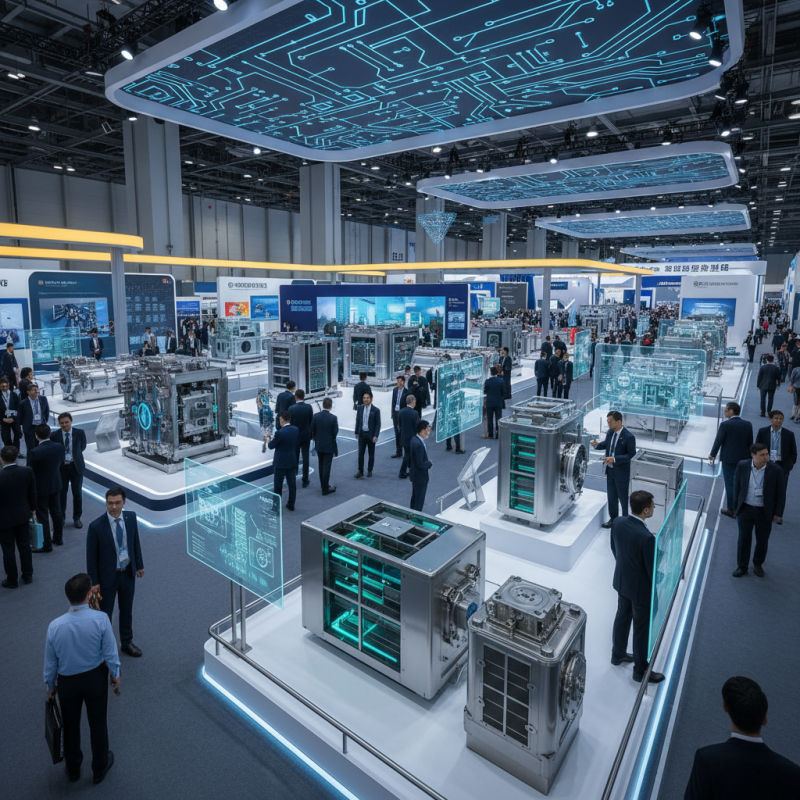
Emerging Technologies in Plate Heat Exchangers by 2026
As the 2026 Canton Fair approaches, the focus on emerging technologies in plate heat exchangers becomes crucial. Innovations in materials and designs are reshaping efficiency. For instance, advanced corrosion-resistant materials are being developed to prolong durability. This change can significantly reduce maintenance costs for global buyers.
Another interesting trend is the integration of smart technologies in heat exchangers. IoT connectivity allows for real-time monitoring of performance. Such technologies help in optimizing energy usage and increase operational efficiency. However, the complexity of these systems raises challenges in training staff to use them effectively.
Sustainability remains a hot topic. The demand for eco-friendly solutions continues to rise. Many manufacturers are exploring ways to minimize waste. Innovations like energy recovery systems can offer significant benefits. However, not all buyers may understand these new options. Education around these technologies is essential for informed decision-making. Addressing this gap will be key to fostering widespread adoption.
Sustainability Trends Impacting Heat Exchanger Design and Manufacturing
Sustainability is reshaping heat exchanger design. In recent years, studies show that eco-friendly materials are becoming essential. For instance, about 54% of manufacturers are now focusing on recyclable components. This shift reduces waste and improves efficiency. As global demand for energy-efficient systems rises, it's crucial to adapt.
Energy efficiency is key for manufacturers. Reports indicate that heat exchangers can improve systems by up to 30% compared to older models. This trend reflects a growing commitment to lower carbon footprints. Yet, many manufacturers struggle with the initial costs of sustainable materials. The investment can be daunting, but the long-term savings are significant.
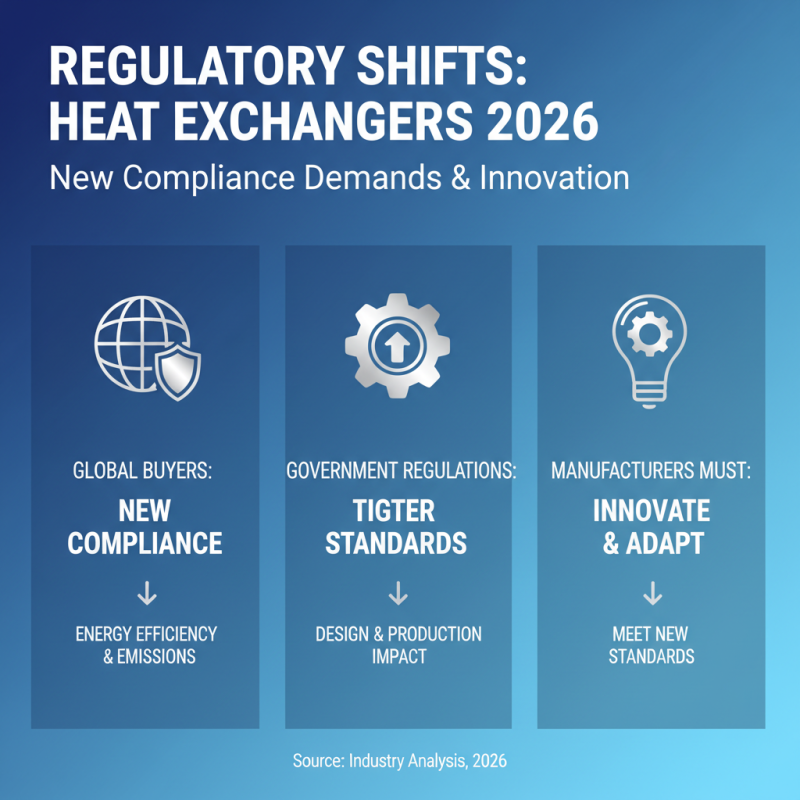
Regulatory changes are also driving innovation. Countries are implementing stricter regulations on greenhouse gas emissions. By 2025, the market for sustainable heat exchangers is expected to grow by 15%. This presents opportunities but also challenges for industries. Companies need to invest in research and development to stay competitive. Balancing short-term costs with long-term sustainability goals will be essential.
Top Heat Exchanger PHE Trends for Global Buyers at 2026 Canton Fair
This chart illustrates the key sustainability trends impacting heat exchanger design and manufacturing for the year 2026.
Market Demand Shifts: The Role of Energy Efficiency in Heat Exchangers
Energy efficiency is becoming a critical factor for buyers at the 2026 Canton Fair. Recent studies highlight that energy costs can account for up to 30% of operational expenses in industrial settings. Efficient heat exchangers can significantly reduce these costs. The market demand for high-efficiency models is rising. Data shows a projected growth rate of 8.5% in energy-efficient heat exchanger sales over the next five years.
Manufacturers are focusing on innovative designs and materials. For instance, plate heat exchangers are gaining popularity. They offer improved performance and lower maintenance needs. However, the challenge lies in balancing cost and efficiency. Some buyers are hesitant to invest significantly upfront, despite potential long-term savings.
Consumer expectations are evolving. There is an increased emphasis on sustainability. Reports indicate that 65% of global buyers prioritize energy-efficient solutions. There’s a visible gap between this demand and the current market supply. This discrepancy suggests that manufacturers must adapt quickly. Only those who act on this trend will thrive in the coming years.
Innovative Materials and Their Applications in Future PHE Designs
Innovative materials are paving the way for future designs of plate heat exchangers (PHEs). The growing demand for energy efficiency drives innovation. Engineers are experimenting with materials that offer better thermal conductivity and corrosion resistance. For instance, advanced alloys and composites show promise in enhancing performance. These materials can significantly reduce weight while maintaining structural integrity.
In addition to traditional metals, polymers and ceramics are gaining traction. They not only reduce maintenance costs but also improve longevity. However, these materials often pose challenges in manufacturing. The techniques to shape and bond them require further exploration. Designers must ensure that these innovations align with safety standards and efficiency goals.
Moreover, the adoption of smart technologies is transforming PHE designs. Sensors integrated into the materials can monitor performance in real-time. This feature allows for predictive maintenance, potentially saving costs. Yet, integrating electronics into materials is not straightforward. It raises questions about durability and environmental impacts. Thus, the journey toward optimal PHE designs is exciting but complex.