What is a Gasketed Plate Heat Exchanger and How Does It Work?
The Gasketed Plate Heat Exchanger is a crucial component in various industrial processes. It functions by transferring heat between two fluids through metal plates separated by gaskets. This design maximizes surface area while minimizing space, making it an efficient choice for many applications.
When considering its operation, the flow paths for each fluid are carefully arranged. The fluids do not mix, ensuring that heat transfer occurs effectively. This method is widely used in sectors like food processing and chemical manufacturing. However, it may require regular maintenance to prevent leaks and ensure optimal performance.
Users must recognize that while Gasketed Plate Heat Exchangers are efficient, they are not without flaws. Issues such as gasket failure can lead to downtime. Understanding these potential shortcomings is vital for effective implementation. By acknowledging these challenges, industries can better prepare for maintenance and operational needs.
What is a Gasketed Plate Heat Exchanger and Its Key Components
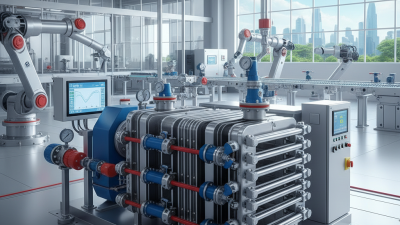
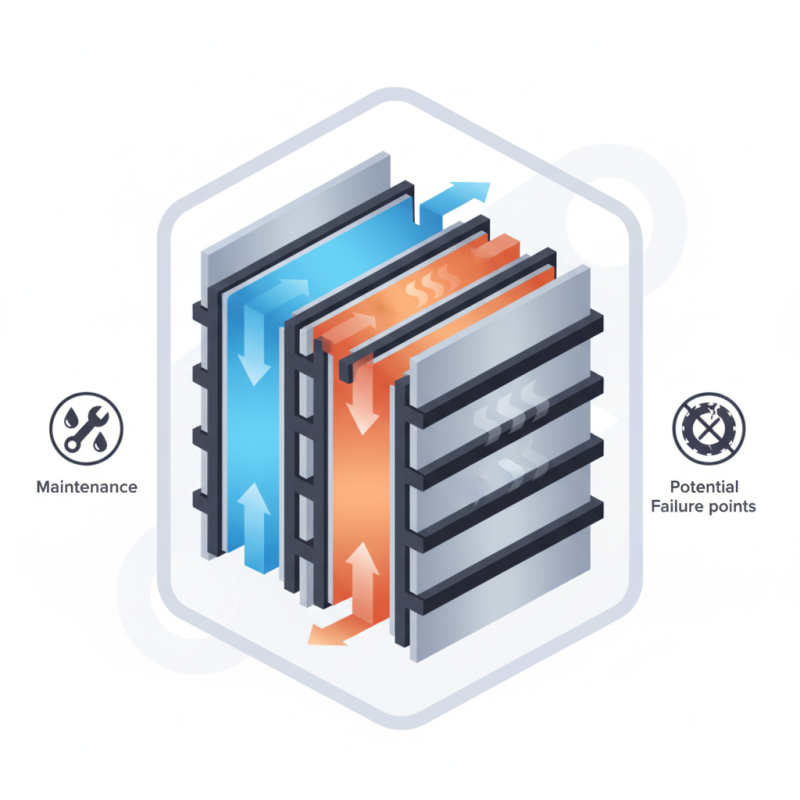
A gasketed plate heat exchanger (GPHE) is a vital component in many industries. Its design allows for effective heat transfer between two fluids. Understanding its key components can clarify how it functions.
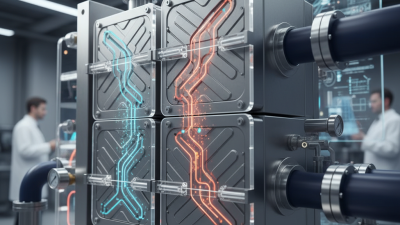
The GPHE consists of several plates stacked together. Each plate has a zigzag pattern, increasing the surface area for heat exchange. The plates are made from materials like stainless steel, ensuring durability and resistance to corrosion. Gaskets are fitted around the edges of each plate. They create a seal that prevents leaks, allowing fluids to flow efficiently.
Flow distribution is crucial in a GPHE. The fluids must enter and exit at correct points. This setup maximizes heat transfer while minimizing pressure drops. Users often overlook the importance of regular maintenance. A buildup of deposits can hinder performance. It's essential to monitor the system to maintain efficiency and avoid costly downtime.
Gasketed Plate Heat Exchanger Efficiency Comparison
The Working Principle of Gasketed Plate Heat Exchangers Explained
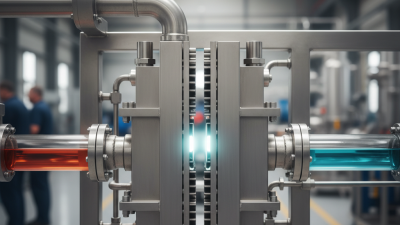
Gasketed plate heat exchangers (GPHEs) are essential in many industries, including food processing and petrochemicals. Their working principle hinges on the large surface area provided by thin plates. These plates are arranged in a way that allows two fluids to pass through them. The fluids transfer heat while maintaining physical separation. As a result, they can efficiently heat or cool a process fluid without cross-contamination.
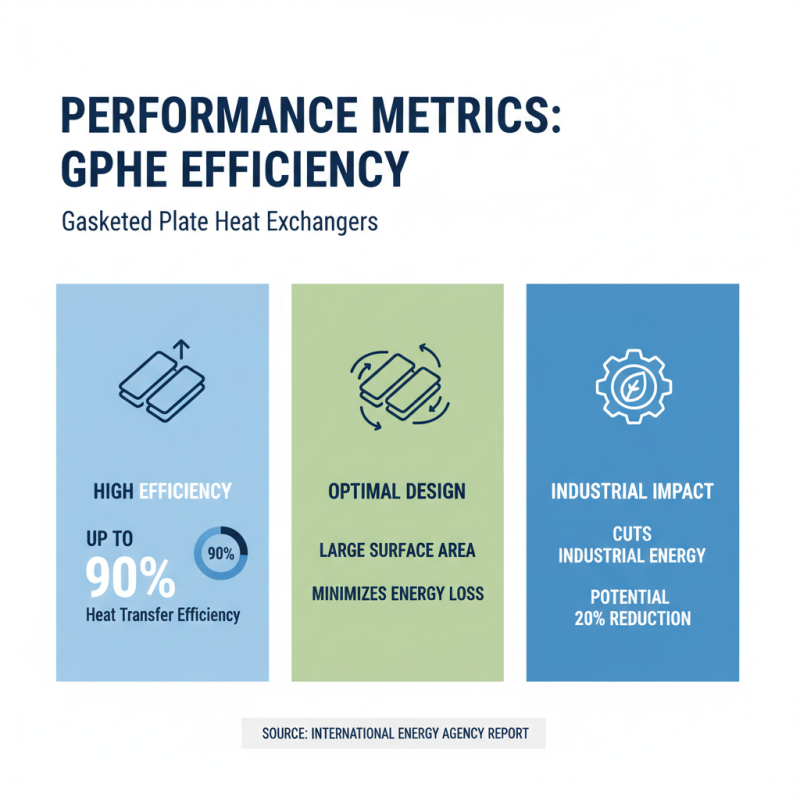
The configuration of GPHEs allows for a high degree of flexibility. Users can easily add or remove plates, adapting the system to changing needs. According to a report by the Heat Exchange Institute, GPHEs can achieve a thermal efficiency of up to 90%. This efficiency is crucial in applications where energy conservation is a priority. However, operators must regularly inspect gaskets for wear. A worn gasket can lead to leaks and reduced performance. This underlines the importance of regular maintenance.
Moreover, GPHEs are sensitive to clogging, particularly in processes involving fluids with particulates. This can hinder performance and lead to unscheduled downtime. It's essential to weigh the benefits against potential maintenance challenges. Operators should be proactive in monitoring pressure drops across the unit. By understanding the implications of both efficiency and maintenance, companies can optimize their heat exchange processes effectively.
Key Benefits and Applications of Gasketed Plate Heat Exchangers
Gasketed plate heat exchangers are widely used in various industries. Their design allows for efficient heat transfer between two fluids, making them ideal for many applications. In food processing, they ensure precise temperature control. In chemical manufacturing, they handle corrosive substances safely.
One key benefit of gasketed plate heat exchangers is their flexibility. They can be easily disassembled for cleaning or maintenance. This feature is crucial in industries where hygiene is paramount. The modular design enables scaling up or down based on the heat exchange requirements.
However, this flexibility means careful checks are needed during assembly to prevent leaks.
Another advantage is their high thermal efficiency. The large surface area of the plates allows for maximum heat transfer with minimal fluid resistance. This capability often leads to lower energy costs. Yet, it’s essential to assess the right application. Not all systems will benefit equally from this type of heat exchanger. Proper analysis is necessary to avoid potential issues in specific environments.
Comparative Analysis: Gasketed vs. Welded Plate Heat Exchangers
Gasketed plate heat exchangers are popular for their efficiency and flexibility. They consist of a series of plates packed together, creating channels for fluids to transfer heat. The gaskets seal the plates, preventing leaks. They are easy to maintain and can be dismantled for cleaning or repairs.
On the other hand, welded plate heat exchangers are designed for more demanding applications. The plates are permanently welded, leading to stronger construction. This type often offers better heat transfer performance. However, they can be challenging to clean. Maintenance may require more time and effort than gasketed units.
Choosing between these two types can be tricky. Gasketed models allow for easy modification, great for varying operational needs. But they may not hold up as well under high pressures or temperatures. Conversely, welded models are robust yet lack flexibility. Both options have their merits and drawbacks, making informed decisions essential.