Top 5 Benefits of Brazed Heat Exchanger for Global Buyers?
Brazed Heat Exchanger technology has transformed thermal management across industries. According to the American Society of Heating, Refrigerating, and Air-Conditioning Engineers (ASHRAE), efficient heat exchange is crucial for reducing energy consumption. This is vital as industries globally strive for sustainability.
Brazed Heat Exchangers offer numerous advantages. Their compact design enhances space utilization, a critical factor for manufacturers seeking efficiency. A Deloitte report highlights that the global heat exchanger market is projected to reach $18.72 billion by 2027. This growth signifies a rising demand for effective thermal solutions.
Beyond efficiency, Brazed Heat Exchangers are known for their durability and reliability. They withstand high pressures and temperatures, ensuring consistent performance. However, it’s essential to reflect on the proper selection and maintenance of these systems. Operational failures can lead to significant costs. As organizations emphasize reliability, understanding the benefits of Brazed Heat Exchangers becomes increasingly important for global buyers.
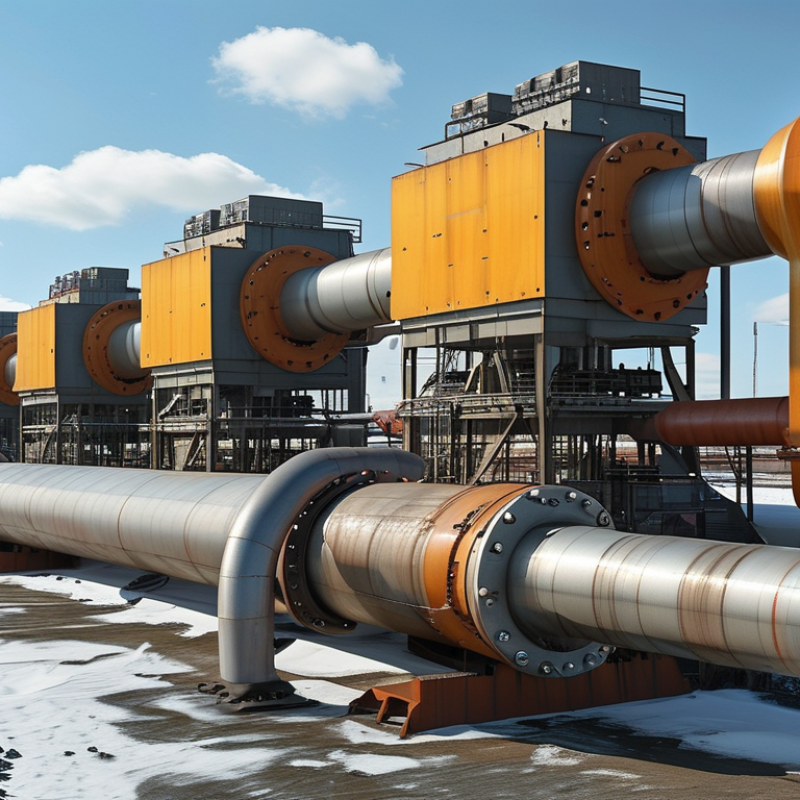
Benefits of Brazed Heat Exchangers: An Overview for Global Buyers
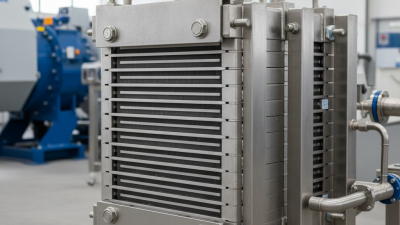
Brazed heat exchangers offer significant advantages that global buyers should consider. These exchangers feature a robust design compared to traditional welded units. They typically use copper or nickel alloy for brazing, resulting in excellent thermal conductivity. This can lead to improved energy efficiency in various applications, from HVAC systems to refrigeration.
The compact size of brazed heat exchangers is another key benefit. They occupy less space, making them ideal for installations with limited room. Their lightweight nature facilitates easier handling and installation. Additionally, the streamlined flow paths enhance the overall heat transfer effectiveness. This might lead to higher performance levels, which can often reflect positively on operational costs.
While brazed heat exchangers are efficient, there are a few caveats. They require careful selection based on pressure and temperature ranges. Improper use can decrease effectiveness. The initial investment can be higher than traditional options, but the long-term savings often justify this. Buyers must weigh short-term costs against long-term benefits.
Enhanced Thermal Efficiency in Brazed Heat Exchangers
Brazed heat exchangers offer remarkable thermal efficiency, making them a preferred choice for many buyers worldwide. These systems utilize copper or nickel braze to bond plates, resulting in excellent heat transfer capabilities. The compact design of brazed heat exchangers allows for significant space savings. Enhanced thermal efficiency leads to reduced energy costs over time, benefiting both the environment and your bottom line.
When considering a brazed heat exchanger, assess the application. Different scenarios require distinct designs and materials. Analyze your fluid types and temperatures to ensure optimal performance. Not every brazed heat exchanger fits all needs. Factors like resistance to corrosion and pressure drop should guide your selection.
Here’s a tip: regularly maintain your heat exchanger. Even the best systems can lose efficiency over time without proper upkeep. Additionally, monitor the flow rates and temperature differentials to identify potential issues early. A small oversight can lead to bigger problems down the line. By focusing on these details, you can enhance the reliability and longevity of your equipment.
Compact Design and Space Saving Features of Brazed Heat Exchangers
Brazed heat exchangers are making waves in various industries, particularly due to their compact design and space-saving features. These heat exchangers can fit into tight spaces while maintaining high thermal efficiency. According to a report by the International Energy Agency, compact heat exchangers can save up to 30% more space compared to traditional models. This allows manufacturers and operators to optimize layouts without compromising performance.
The compact nature of brazed heat exchangers also leads to reduced material costs. Their smaller size requires less tubing and fluid, translating to lower initial investments and maintenance costs. However, this design does come with challenges. There can be a steep learning curve when designing systems that integrate these exchangers. Not every application can leverage their benefits effectively without thorough analysis and planning.
Moreover, waste heat recovery systems increasingly implement these compact designs. A study from the Global Heat Exchange Network suggests that brazed heat exchangers improve energy recovery efficiency by 20-25%. Yet, potential buyers must also be aware of compatibility issues with existing systems. It’s crucial to ensure that performance meets operational demands before making a transition.
Top 5 Benefits of Brazed Heat Exchanger for Global Buyers
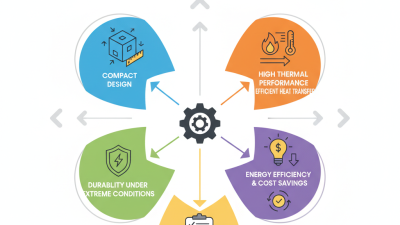
This chart represents the top five benefits of brazed heat exchangers, highlighting their compact design, durability, efficiency, versatility, and low maintenance requirements. Each benefit is scored based on its importance and effectiveness in real-world applications.
Superior Corrosion Resistance in Brazed Heat Exchangers
Brazed heat exchangers are highly regarded for their superior corrosion resistance. This feature is crucial for industries dealing with harsh environments. The use of high-quality materials, along with advanced brazing techniques, results in structures that withstand corrosive elements effectively. They can endure extreme temperatures and pressure fluctuations.
Corrosion can lead to system failures and costly repairs. Brazed heat exchangers minimize these risks. They are constructed from corrosion-resistant alloys, ensuring long-term reliability. Buyers can trust their durability in applications like chemical processing and HVAC systems. However, not all brazed heat exchangers are equal. Some may still be vulnerable to pitting and stress corrosion.
It's essential to consider the specific application needs. Proper installation and maintenance play significant roles in preserving their integrity. Users should regularly inspect these systems for early signs of wear. Overall, understanding the limitations and maintenance requirements is as vital as recognizing their benefits.
Cost-Effectiveness and Durability of Brazed Heat Exchangers
In industries where efficiency is paramount, brazed heat exchangers stand out for their cost-effectiveness and durability. These devices are built to endure harsh conditions while maintaining optimal performance. The materials used in brazing contribute to their longevity, reducing the need for frequent replacements. With a stable structure, they minimize the risk of leaks and failures, providing a reliable solution for heat transfer needs.
Tips: When selecting a brazed heat exchanger, consider the operating environment. Ensure that the materials can withstand temperature fluctuations and corrosive substances. Regular maintenance checks can further enhance their lifespan.
Cost-effectiveness is another significant benefit. Brazed heat exchangers typically require lower upfront investment compared to other types, while offering superior heat transfer efficiency. This efficiency leads to lower energy costs over time. Some users may find that upfront costs can be deceptive; cheaper alternatives may lead to higher maintenance expenses down the road.
Tips: Compare the total cost of ownership for different models. Sometimes, spending more initially can yield better long-term savings. Always assess warranty options to understand the manufacturer's confidence in their product.
Top 5 Benefits of Brazed Heat Exchanger for Global Buyers
| Benefit |
Description |
Key Metrics |
Cost-Effectiveness (%) |
Durability (Years) |
| High Efficiency |
Brazed heat exchangers provide superior heat transfer capabilities, maximizing energy savings. |
Up to 95% efficiency rates |
20% savings on operational costs |
15-20 years |
| Compact Size |
Designed to fit into smaller spaces while maintaining high performance, ideal for modern applications. |
20-50% smaller than traditional exchangers |
15% reduction in installation costs |
12-15 years |
| Corrosion Resistance |
Materials used resist corrosion, ensuring longevity and reliability in various environments. |
Corrosion resistance rating: 8/10 |
10% reduction in maintenance costs |
20-25 years |
| Versatility |
Suitable for various applications including refrigeration, HVAC, and industrial processes. |
Applicable in multiple industries |
25% increase in application range |
15 years |
| Easy Installation |
Designed for quick and easy installation, reducing labor costs. |
Installation time reduced by 30% |
20% savings on labor costs |
10-15 years |