Top 5 Tips for Choosing the Right Plate Exchanger?
Choosing the right plate exchanger can significantly impact your system's efficiency. The process involves various considerations. Understanding your specific needs is crucial. Plate exchangers come in different designs and materials. Each type serves distinct applications and industries.
When selecting a plate exchanger, consider factors like flow rates and temperature ranges. The wrong choice can lead to performance issues. It’s essential to analyze your system requirements thoroughly. Sometimes, the initial budget may distract from long-term savings. Investing in quality often pays off. You might find that not all plate exchangers meet industry standards.
Consulting with industry experts can provide valuable insights. Their experience can guide your decision-making. Relying on general advice may not suffice. Each application has unique challenges. Be open to reassessing your options as you gather more information. This reflection can lead to a more informed choice. Remember, a well-chosen plate exchanger enhances operational efficiency and reliability.
Understanding the Basics of Plate Heat Exchangers
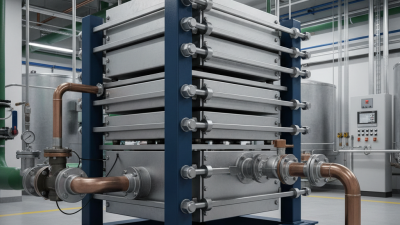
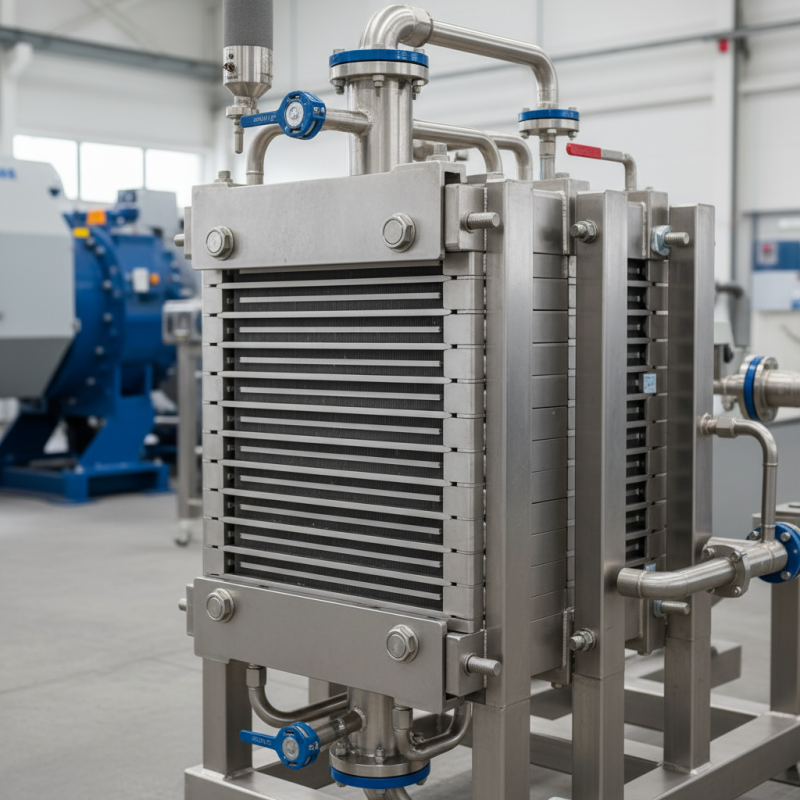
When selecting the right plate heat exchanger, understanding the basics is crucial. Plate heat exchangers consist of multiple thin plates stacked together. These plates allow fluids to flow past each other. The design promotes efficient heat transfer. The surface area on each plate enhances this process, leading to effective thermal exchange.
Different applications require a tailored approach. Consider the fluid properties, temperature ranges, and flow rates involved. It’s essential to evaluate the material of the plates. Certain fluids may corrode less durable materials. Pay attention to the maintenance requirements, which can vary significantly between designs.
However, not all plate heat exchangers are created equal. Factors such as fouling and scaling can affect performance. Sometimes, users overlook the importance of cleaning and maintenance. Regular checks can prevent significant efficiency losses. Reflection on these details ensures better long-term operation. Choosing the right type means continuous learning and adapting to specific needs.
Top 5 Tips for Choosing the Right Plate Exchanger
| Tip |
Description |
Key Considerations |
| 1. Understand Your Process Requirements |
Identify the temperature and pressure requirements of your application. |
Temperature range, pressure drop, flow rates. |
| 2. Select the Right Material |
Choose materials that can withstand the temperatures and corrosive properties of the fluids involved. |
Corrosion resistance, thermal conductivity. |
| 3. Consider Maintenance Needs |
Evaluate the maintenance and cleaning requirements of the exchanger. |
Ease of disassembly, accessible design. |
| 4. Analyze Energy Efficiency |
Check the efficiency ratings and heat transfer capabilities of different models. |
Heat transfer area, flow arrangements. |
| 5. Seek Expert Advice |
Consult with engineers or suppliers to select the best model for your application. |
Expertise availability, experience in similar applications. |
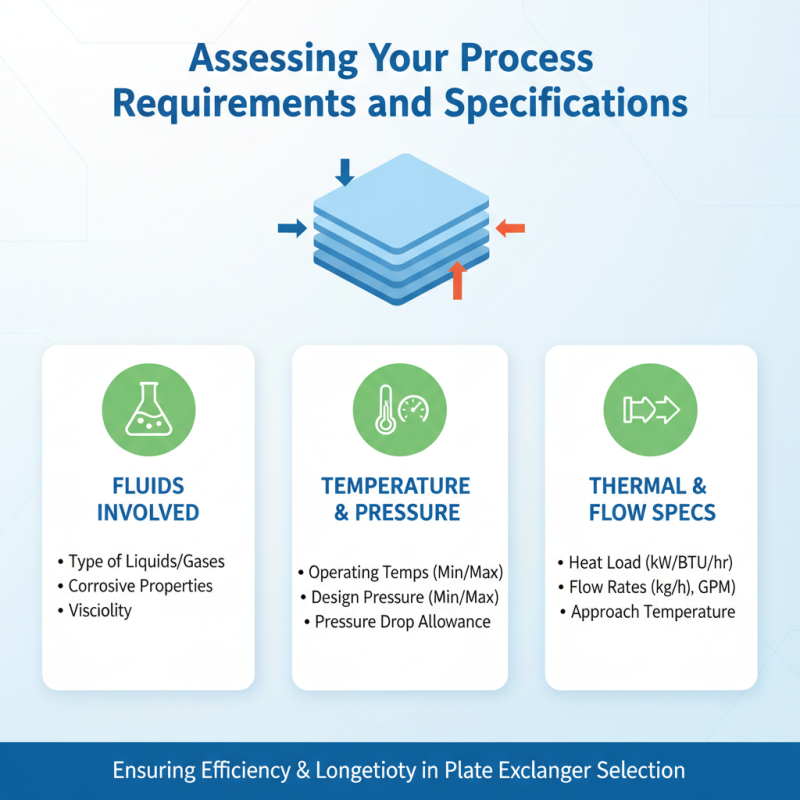
Assessing Your Process Requirements and Specifications
When selecting a plate exchanger, assessing your process requirements is crucial. Begin by understanding the specific thermal and flow characteristics of your application. What fluids are involved? What temperature and pressure ranges are necessary? Knowing these details ensures the exchanger's efficiency and longevity.
Consider your space limitations. A compact design may be essential in tight areas. Evaluate the potential for maintenance access as well. Design choices can affect both operational efficiency and ease of care. Sometimes, less is more; a simpler design may actually increase reliability.
Another important factor is the material of construction. The selected materials must withstand the chemicals you plan to use. Corrosive environments require careful selection to prevent future issues. Don’t overlook the importance of gasket materials, as they play a pivotal role in sealing and efficiency. Remember, these details can impact performance over time. Reflect on the trade-offs carefully. It’s easy to overlook minor factors, but they often lead to major problems later on.
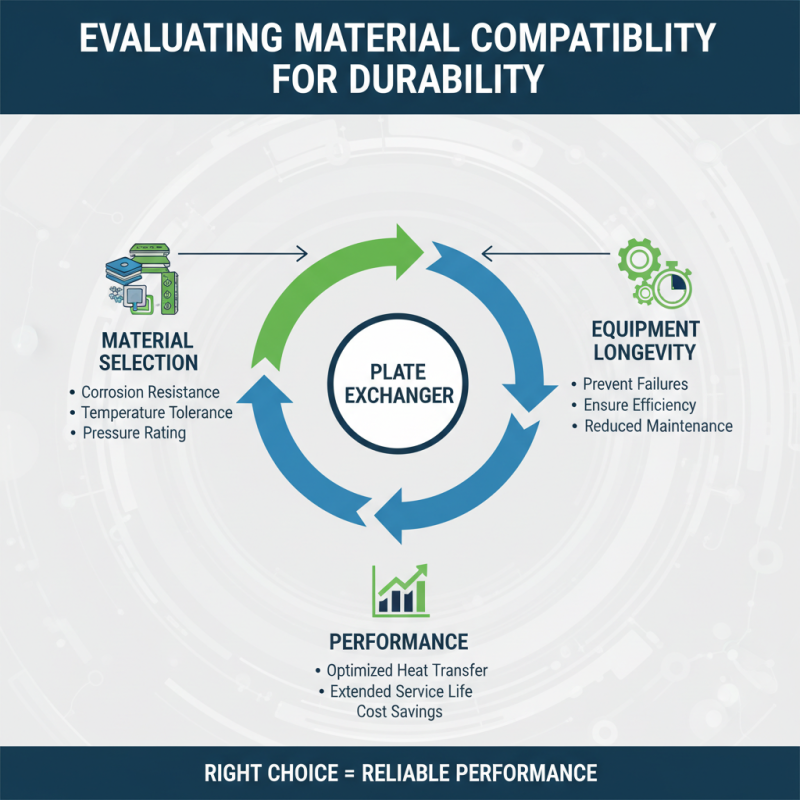
Evaluating Material Compatibility for Durability
Choosing the right plate exchanger involves careful consideration of material compatibility. The longevity and performance of the equipment largely depend on the materials used. The right selection can prevent costly failures and ensure efficiency.
Corrosion resistance is a key factor. A report from the Corrosion Engineering Association indicates that over 30% of industrial equipment failures stem from corrosion-related issues. For plate exchangers, materials like stainless steel are often preferred for their durability against corrosive fluids. However, not all stainless steel types are suitable for every application. Factors such as temperature and fluid composition must be in alignment with material properties.
Another aspect is thermal conductivity. According to a study by the Heat Exchanger Institute, the heat transfer efficiency can drop by up to 15% if materials with low thermal conductivity are used. Evaluating the specific heat transfer requirements alongside the medium's properties is crucial. Some users may overlook the potential impact of thermal expansion, which can lead to leaks if materials are incompatible under fluctuating temperatures. Each choice has its trade-offs, demanding a thorough analysis of both immediate needs and long-term performance.
Comparing Efficiency and Performance Ratings
When selecting a plate exchanger, efficiency and performance ratings stand at the forefront of decision-making. These ratings assess the heat transfer capabilities and energy consumption of the equipment.
According to the International Journal of Heat and Mass Transfer, a well-optimized plate exchanger can enhance heat transfer efficiency by up to 80% compared to traditional models. This high efficiency is crucial in minimizing operational costs in industrial applications.
However, performance does not solely depend on heat transfer rates. Factors such as the material of construction and flow arrangement also significantly influence the exchanger’s overall efficacy.
Research by the American Society of Mechanical Engineers suggests that a properly designed plate configuration can reduce pressure drops by as much as 30%, which is vital for improving energy efficiency. Despite these advantages, it is essential to consider the potential challenges.
Misjudging the thermal load or flow rates can lead to suboptimal performance and inefficiencies. Evaluating these variables before making a selection can prevent costly errors.
Consideration of maintenance and durability also plays a role. A report from the European Institute of Energy suggests regular maintenance can enhance lifespan and uphold performance.
This requires ongoing attention to ensure that cooling or heating processes remain efficient. Not all plate exchangers are created equal; each design choice impacts its efficiency and long-term reliability in specific applications.
Thus, careful analysis is key to avoiding future operational issues.
Considering Maintenance and Service Needs
When selecting a plate heat exchanger, maintenance and service needs should be at the forefront of your decision. The design of the equipment can significantly impact its upkeep. Choose a model that allows easy access to all components. This can save time and effort during routine inspections or repairs. If the plates are difficult to reach, it can lead to longer downtimes and higher labor costs.
Regular cleaning is crucial for optimal performance. Consider exchangers that feature removable plates. This design facilitates thorough cleaning, reducing build-up and enhancing efficiency. Look for options that allow for effective gasket replacement without the need for specialized tools. Training staff on maintenance procedures is essential. Staff should feel confident performing basic maintenance tasks. Inadequate knowledge can lead to costly mistakes.
Monitoring your system’s performance is vital. Invest in monitoring tools that track efficiency and alert you to issues. Not addressing small problems can lead to major repairs later. A proactive approach to maintenance minimizes risks and extends the life of your exchanger. Always keep a detailed log of maintenance activities. This will help you identify patterns and areas for improvement over time. Investing in a reliable maintenance routine pays off in the long run.
Top 5 Tips for Choosing the Right Plate Exchanger
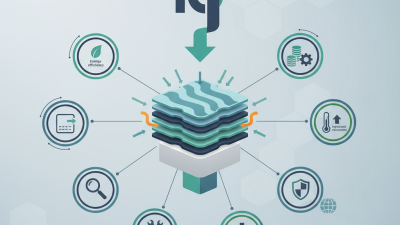
This chart illustrates the importance level of various factors to consider when choosing the right plate exchanger, highlighting maintenance frequency and service accessibility as top priorities.