Top 5 Tips for Choosing the Best Heating Plate Heat Exchanger?
Choosing the right Heating Plate Heat Exchanger is crucial for efficiency. These devices play a key role in various industrial processes. Selecting the best one can be daunting due to the variety of options available.
Experience is essential when navigating this market. Each application may require unique specifications. For instance, material compatibility and thermal performance need careful consideration. It’s important to understand the operational environment. Factors like pressure and temperature can greatly affect performance.
Many buyers overlook these details. Failing to match the right heating plate to your needs can lead to inefficiency. It’s vital to not only focus on price but also on long-term reliability. Investing time in thorough research can yield significant benefits down the line.
Understanding the Basics of Heating Plate Heat Exchangers
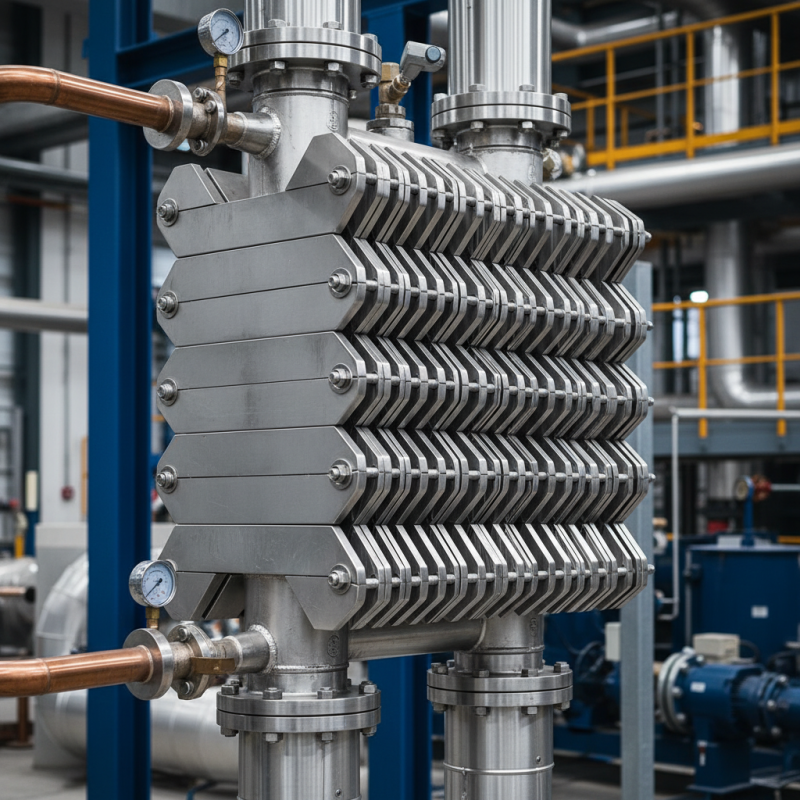
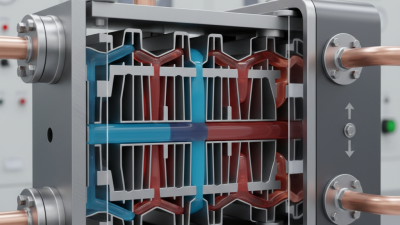
Heating plate heat exchangers are essential in numerous industrial applications. Understanding their functionality can help in optimizing processes. These devices transfer heat between two fluids without mixing them. This design ensures efficiency and minimizes energy loss. A study by the International Journal of Heat and Mass Transfer indicates that well-designed heat exchangers can enhance thermal efficiency by up to 30%.
Material choice is crucial for effective heat transfer. Common materials include stainless steel and titanium due to their excellent thermal conductivity. However, cost and chemical compatibility must be considered. According to the Heat Exchange Institute, improper material selection can lead to corrosion, reducing lifespan and increasing maintenance costs.
It’s vital to consider fluid characteristics. Viscosity, temperature, and flow rates play a significant role in performance. Research from the American Society of Heating, Refrigerating and Air-Conditioning Engineers (ASHRAE) emphasizes that inadequate assessment of these factors can result in inefficient heat transfer and higher operational costs. Overall, failure to fully understand these basics can lead to waste and potential safety risks in system operations.
Identifying Your Heating Requirements and Specifications
When selecting a heating plate heat exchanger, understanding your specific heating requirements is crucial. According to industry reports, approximately 70% of energy loss occurs in improperly matched systems. Therefore, assessing your heat transfer needs and the fluid involved assists in making informed decisions. Factors like temperature range, pressure drop, and flow rate are vital data points to consider.
Another critical aspect is the material selection based on the application's environment. For instance, stainless steel is often preferred for its resistance to corrosion and durability. However, its higher cost and weight are trade-offs. Understanding the thermal conductivity of various materials can lead to more efficient designs. Research indicates that optimizing materials can improve overall efficiency by as much as 30%.
Moreover, be mindful of the system's maintenance requirements. While some designs promise lower maintenance, they may suffer from higher operational costs or performance issues over time. Always consider the possibility of scaling and fouling in your specific context. A detailed analysis can help identify potential shortcomings. It's essential to reflect on these nuances during your selection process.
Top 5 Tips for Choosing the Best Heating Plate Heat Exchanger
| Dimension |
Specification/Requirement |
Importance |
Notes |
| Heating Capacity |
Minimum 10 kW |
Critical for system efficiency |
Ensure it meets the process requirements |
| Material Type |
Stainless Steel |
Corrosion resistance |
Select based on fluid compatibility |
| Plate Thickness |
0.5 mm to 0.8 mm |
Impact on heat transfer efficiency |
Thicker plates provide durability |
| Flow Configuration |
Counterflow |
Maximizes temperature efficiency |
Consider pressure drop implications |
| Temperature Range |
Up to 180°C |
Critical for process stability |
Match with application needs |
Evaluating Material Compatibility and Durability
When selecting a heating plate heat exchanger,
material compatibility is key. Different materials react differently under various conditions.
Metals like stainless steel, for example,
resist corrosion but may not be suitable for all fluids. Non-metallic options can be prone to
wear and tear. Understanding the specific fluids you are working with is essential.
Durability is another important factor.
Your heat exchanger should withstand thermal cycling and pressure changes over time.
Materials lose strength and can deform under continuous stress.
Regular inspections can reveal wear, but they often occur unnoticed until functionality declines.
Consider potential operating temperatures and the environment where the heat exchanger will be installed.
Finding the right balance between materials and their longevity can be a challenge.
It's not just about selecting a strong material. It’s also about ensuring that the chosen materials
work well together and with the fluids involved. Reflection is needed here; minor oversight in
material selection could lead to significant failures later on.
Considering Maintenance Needs and Ease of Service
When choosing a heating plate heat exchanger, maintenance needs demand careful attention. Easy maintenance can extend the life of the unit dramatically. According to industry reports, nearly 40% of heat exchanger failures stem from insufficient maintenance. Regular cleaning and inspection are crucial. A design that facilitates quick access to the internal components can save time and resources.
Consider the materials used in the heat exchanger. Corrosion-resistant materials often lead to lower maintenance costs. Research indicates that systems made of stainless steel or titanium can last up to 20% longer than those made with standard metals. However, not all maintenance practices are effective. Some operators overlook minor leaks or pressure drops, creating larger issues later. Routine monitoring is essential for optimal performance.
Design complexity also plays a role in serviceability. A model that requires numerous tools for disassembly can become a headache during servicing. Operators often report frustration with complicated setups. An emphasis on simplicity in design can address these challenges. It’s vital to select a model that balances efficiency with service ease. Proper planning and awareness can make a significant difference in the long run.
Top 5 Factors to Consider When Choosing a Heating Plate Heat Exchanger