Top 10 Heat Exchanger Types for Global Buyers Questions?
In the ever-evolving world of thermal management, understanding the types of heat exchangers is essential for global buyers. Renowned heat exchanger expert Dr. Emily Carter emphasizes, “Choosing the right heat exchanger can significantly improve energy efficiency.” This phrase encapsulates the urgency of making informed choices in this competitive industry.
Heat exchangers find applications in various sectors, from chemical processing to HVAC systems. They facilitate crucial processes by transferring heat between fluids, improving efficiency in energy consumption. Understanding the types of heat exchangers and their applications can be overwhelming, given the technical complexities involved. Buyers must navigate various options, such as shell-and-tube, plate, and finned tube exchangers. Each type has its unique advantages and challenges, which require careful consideration for optimal performance.
As you explore the top heat exchanger types, it’s important to recognize that no single design fits all situations. Different operating conditions, fluid types, and regulatory standards can influence the effectiveness of each heat exchanger. Evaluating these variables can lead to better decisions, reflecting the importance of professional insights in this critical selection process.
Overview of Heat Exchangers and Their Importance in Industries
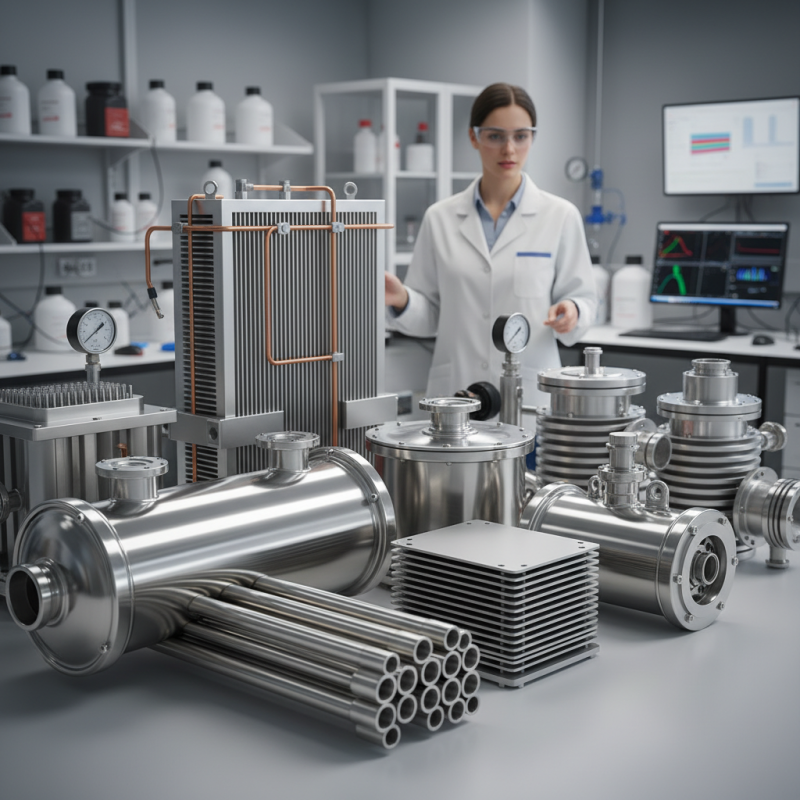
Heat exchangers play a critical role in various industries, facilitating efficient thermal management. They transfer heat between two or more fluids while keeping them separate. This is vital in applications ranging from heating and cooling systems to power generation and chemical processing. Their efficiency directly impacts energy consumption and operational costs.
Different types of heat exchangers cater to specific needs. Plate heat exchangers are compact and efficient, while shell and tube models are robust and suited for high-pressure applications. Each type has its unique advantages and limitations. Choosing the right heat exchanger requires careful consideration of factors such as fluid properties, temperature requirements, and maintenance needs.
In the quest for optimal performance, challenges arise. fouling can reduce efficiency, leading to increased energy costs. Selection blindly based on initial price may ignore long-term savings. Therefore, buyers must navigate these complexities to avoid costly mistakes. Understanding the specific application can guide the choice of heat exchanger, ensuring operational reliability and effectiveness.
Top 10 Heat Exchanger Types for Global Buyers
This bar chart illustrates the popularity of different types of heat exchangers among global buyers. The Shell and Tube heat exchanger is the most favored type, while the Immersion type is the least popular, reflecting industry preferences and usage trends.
Types of Heat Exchangers with Key Characteristics and Applications
Heat exchangers play a vital role in various industries. From HVAC systems to chemical processing, they help transfer heat efficiently. Each type is designed for specific applications, making them crucial for operational efficiency.
The most common types include shell and tube, plate, and air-cooled heat exchangers. Shell and tube exchangers excel in high-pressure applications. They often feature multiple tubes that enhance heat transfer efficiency. Plate heat exchangers are compact and suitable for lower-temperature applications. Their design allows for easy cleaning, which is a significant advantage. Air-cooled exchangers rely on air to dissipate heat, making them ideal for remote locations with limited water supply.
Tips: When selecting a heat exchanger, consider the operating environment and maintenance needs. Regularly check for fouling; it can reduce efficiency. Matching the exchanger type with the specific application is crucial. According to a study by Research and Markets, the global heat exchanger market is projected to reach $20 billion by 2025.
In some cases, heat exchangers may underperform due to poor design or material selection. Industrial users should be aware of these factors. The efficiency of a heat exchanger directly impacts energy consumption. Therefore, choosing the right type for the application can lead to significant cost savings.
Comparative Analysis of Traditional and Modern Heat Exchanger Designs
When examining heat exchangers, the evolution from traditional to modern designs is striking. Traditional models, like shell and tube types, have long dominated the industry. They offer reliability but can be bulky and less efficient. In contrast, modern designs, such as plate and fin heat exchangers, boast improved heat transfer rates and compact sizes. These innovations lead to energy savings and a smaller environmental footprint, which is crucial in today's climate-conscious market.
Tips: Consider the application before choosing a design. Each type suits different needs, from industrial settings to HVAC systems.
The materials used also reflect this shift. Traditional heat exchangers often relied on metals like copper or steel, whereas modern designs may incorporate composites or enhanced alloys. These materials improve durability and resistance to corrosion. Nevertheless, their performance under extreme conditions may still be unproven. Buyers should weigh the benefits against potential risks for their particular needs.
Tips: Evaluate the long-term costs of maintenance and replacement when selecting materials. It’s an often-overlooked factor that can impact overall efficiency.
Top 10 Heat Exchanger Types for Global Buyers
| Type |
Design |
Material |
Efficiency (%) |
Applications |
| Shell and Tube |
Traditional |
Carbon Steel |
80 |
Oil Refineries |
| Plate |
Modern |
Stainless Steel |
92 |
Food Processing |
| Air Cooled |
Modern |
Aluminium |
85 |
HVAC Systems |
| Cooling Tower |
Traditional |
Fiber Reinforced Plastic |
75 |
Power Plants |
| Double Pipe |
Traditional |
Copper |
70 |
Pharmaceuticals |
| Finned Tube |
Modern |
Aluminium |
88 |
Chemical Processing |
| Spiral |
Modern |
Stainless Steel |
90 |
Waste Heat Recovery |
| Heat Pipe |
Modern |
Copper |
95 |
Refrigeration |
| Microchannel |
Modern |
Aluminium |
89 |
Automotive |
| Radiator |
Traditional |
Steel |
82 |
Automobiles |
Factors to Consider When Selecting a Heat Exchanger for Your Needs
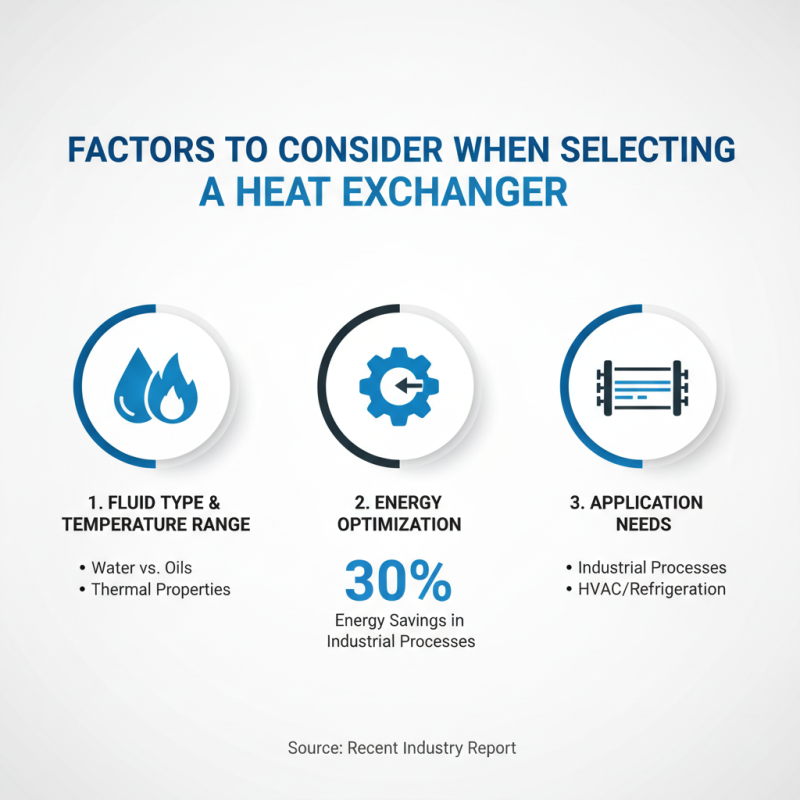
When selecting a heat exchanger, various factors come into play. The type of fluid and its temperature range are crucial. For example, water has different thermal properties than oils. According to a recent industry report, about 30% of energy consumption in industrial processes can be optimized by choosing the right heat exchanger.
Another important consideration is the pressure drop across the unit. A notable 25% of energy loss can occur due to improper design. For instance, a heat exchanger that cannot handle high pressure efficiently may lead to system failures. Therefore, understanding specific requirements is vital to avoid pitfalls in performance.
The materials of construction also impact longevity and maintenance. Selection should consider corrosion resistance and thermal conductivity. For example, stainless steel is often preferred for its durability. However, it may not be suitable for all applications. An analysis shows that failing to match material properties can lead to costly replacements.
Global Trends and Innovations in Heat Exchanger Technology
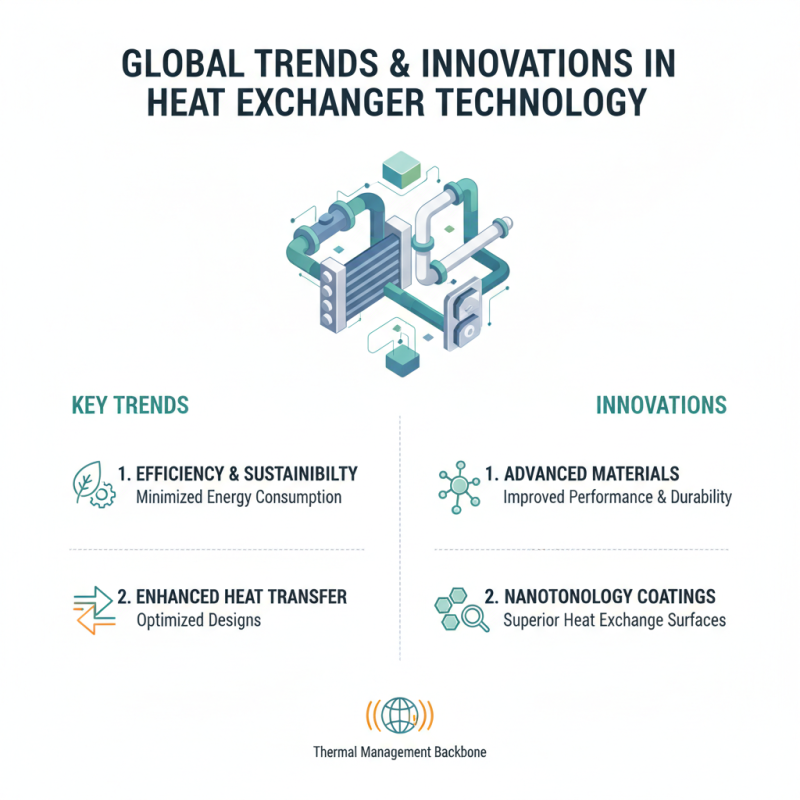
Heat exchangers are crucial for various industries, serving as the backbone of thermal management. The latest trends emphasize efficiency and sustainability. Companies strive for designs that enhance heat transfer while minimizing energy consumption. For instance, the use of advanced materials can significantly impact performance. Innovations in nanotechnology are leading to more efficient surface coatings, allowing for better heat exchange.
Another significant trend is the integration of smart technologies. Sensors and IoT capabilities are increasingly being incorporated into heat exchangers. These technologies allow for real-time monitoring and optimization. They help in predicting maintenance needs, ensuring reliability. However, there are challenges. Not all manufacturers are ready for this shift. Some systems still rely on outdated practices, risking efficiency.
The focus on green technology also drives innovation. Many companies are looking at eco-friendly refrigerants and designs that reduce environmental impact. Yet, there’s a gap in widespread adoption. Awareness of these advancements remains limited among some buyers. The urgency for sustainable solutions contrasts with traditional practices, highlighting the need for education in the market.