Top 10 Benefits of Plate Heat Transfer Systems for Industry?
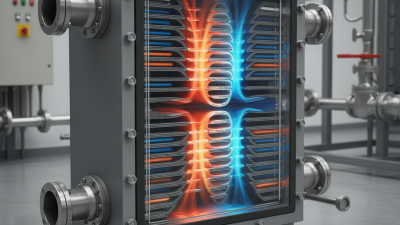
In today's industrial landscape, Plate Heat Transfer systems are gaining recognition for their efficiency and versatility. According to a 2022 report by Research and Markets, the global market for heat exchangers is projected to reach $25 billion by 2027, driven by the increasing demand for energy-efficient systems. These systems excel in thermal performance due to their compact design and high surface area, making them ideal for various applications.
Plate Heat Transfer technology enhances heat exchange processes by minimizing energy loss. A study by the International Journal of Heat and Mass Transfer revealed that plate heat exchangers can achieve up to 90% thermal efficiency. This efficiency can significantly lower operational costs over time. However, despite their advantages, industries often overlook maintenance needs, leading to potential downtime.
Moreover, while these systems are powerful, they require careful selection based on specific process conditions. An improper choice can lead to inefficiencies. Hence, understanding the unique characteristics of Plate Heat Transfer is crucial for maximizing benefits. As industries strive for sustainability, the adoption of these systems is critical for future growth and environmental responsibilities.
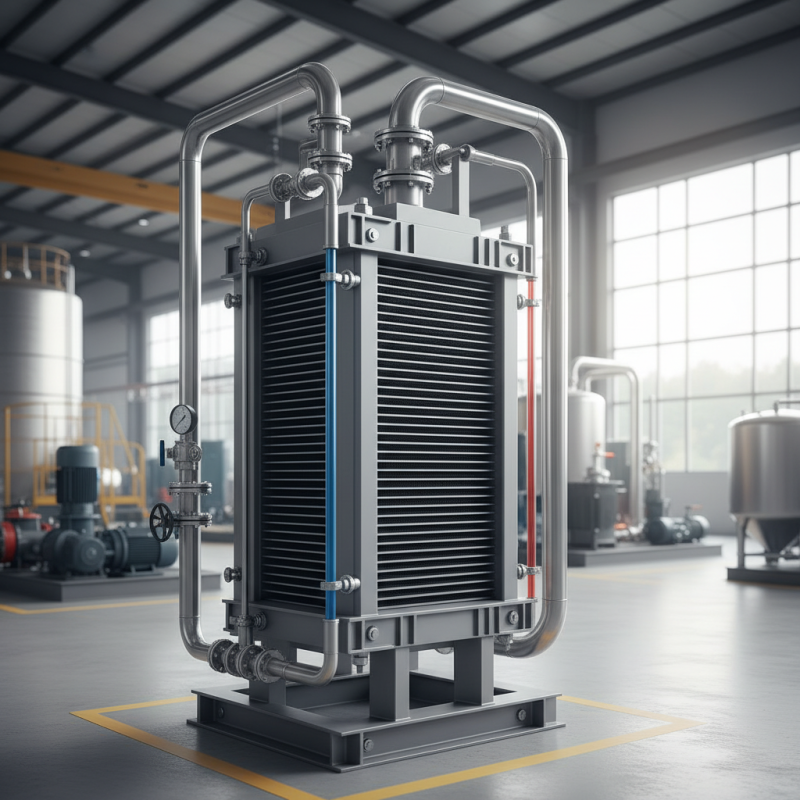
Benefits of High Thermal Efficiency in Plate Heat Transfer Systems
Plate heat transfer systems offer
high thermal efficiency, making them valuable in various industries. These systems use compact plates to
facilitate heat exchange. This design promotes large surface areas while keeping the volume small. The
result is better thermal conductivity, which enhances system performance.
High thermal efficiency means savings on energy costs. In
processes such as heating and cooling, efficient systems minimize energy loss. This can significantly
reduce operational expenses over time. Yet, some industries struggle with implementation. Complexity in
maintenance is a concern. Regular checks are needed to ensure optimal function.
Moreover, a focus on thermal efficiency can sometimes lead to overlooking other performance aspects.
Compatibility with existing setups often needs
careful assessment. While aiming for high efficiency, firms may face pressure to meet sustainability
goals. Balancing these demands can be challenging.
Reduction of Energy Consumption through Advanced Plate Design
Plate heat transfer systems have gained significant attention for their ability to reduce energy consumption in industrial applications. Advanced plate designs enhance heat transfer efficiency. According to a recent industry report, these systems can improve energy efficiency by up to 30%. This reduction is crucial for industries striving to lower operational costs and reduce their carbon footprint.
Efficient heat exchangers utilize a larger surface area to facilitate heat transfer. They operate effectively even with lower temperature differences. This can lead to a notable decrease in energy usage during heating and cooling processes. Interestingly, some studies indicate that facilities using plate heat exchangers report lower maintenance costs due to their simple design. However, one must consider that not all applications may benefit equally from this technology.
Moreover, the initial investment for these systems can be higher than traditional options. This factor can deter some industries, despite long-term financial benefits. It's essential for businesses to conduct thorough analyses. They need to evaluate their specific needs and potential savings over time. Balancing upfront costs with energy savings is key for successful implementation.
Top 10 Benefits of Plate Heat Transfer Systems for Industry
The chart illustrates the top 10 benefits of plate heat transfer systems, highlighting their efficiency, space-saving capabilities, and overall effectiveness compared to traditional heat transfer methods. Each benefit is rated on a scale of 0 to 100, showcasing the strengths of these advanced systems in industrial applications.
Improvement in Heat Transfer Rates Compared to Traditional Systems
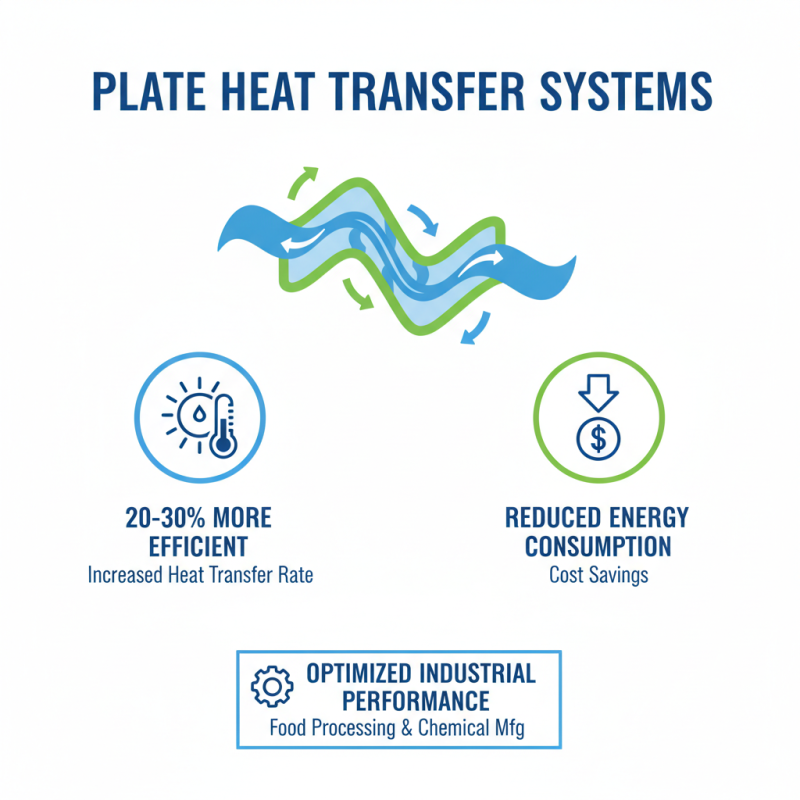
Plate heat transfer systems offer significant advantages in heat transfer rates over traditional systems. Reports indicate they can enhance overall efficiency by 20% to 30%. These systems use plates to create a larger surface area for heat transfer, leading to better thermal performance. This marked improvement results in reduced energy consumption. In industries like food processing and chemical manufacturing, these benefits translate directly into cost savings.
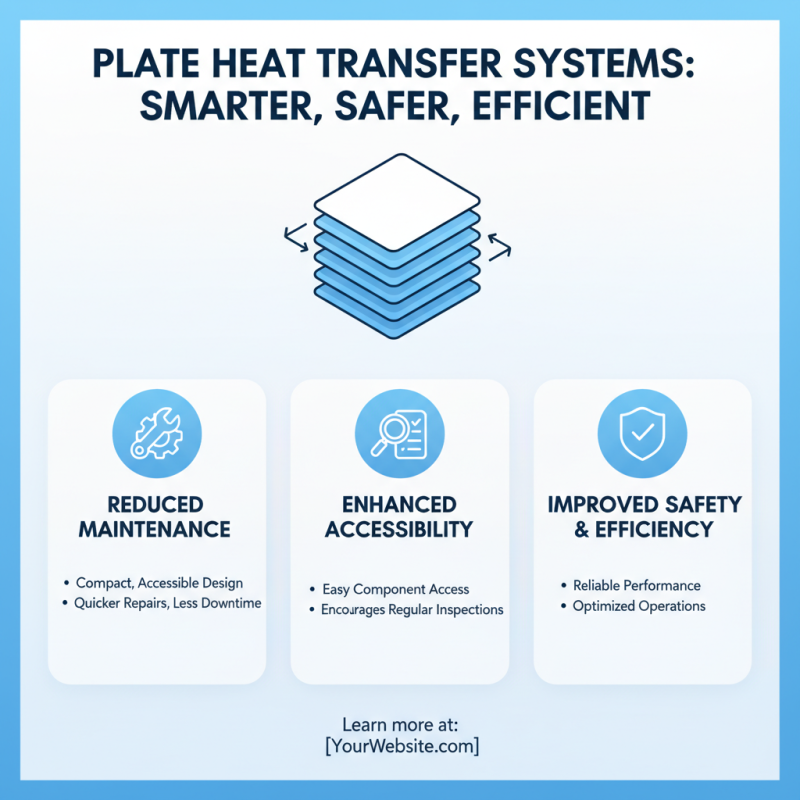
Moreover, the compact nature of plate systems allows for easier integration into existing setups. They occupy less space while providing enhanced heat recovery. However, their complexity may present challenges during maintenance. Some industries report difficulties with fouling, which could potentially hinder performance. Despite this, regular cleaning and monitoring can help maintain efficiency.
In terms of safety, plate heat exchangers operate at lower temperatures. This reduces the risk of thermal shock. However, users must remain vigilant about pressure levels. Sometimes, overlooked areas can lead to system failures. Continuous training and adherence to best practices are vital for longevity and optimal performance.
Enhanced Versatility for Various Industrial Applications and Fluids
Plate heat transfer systems are remarkably versatile. They adapt to various industrial applications. Different fluids flow through these systems with ease. From water to oils, the design can handle a wide range. According to a report by the International Energy Agency, plate heat exchangers can achieve efficiency rates of over 90%. This high efficiency results in energy savings, which is crucial for industries looking to reduce operational costs.
In the food industry, these systems are essential. They facilitate pasteurization and process heating. The ability to handle thick fluids is a notable advantage. This makes them suitable for dairy products like cheese and yogurt. Similarly, in chemical processing, their reliability is critical. They can manage corrosive fluids, enhancing safety. However, some challenges remain. Installation and maintenance can be complex in certain settings. Industry reports highlight that improper maintenance can lead to reduced efficiency. This is a cautionary note for companies to consider.
Flexibility also plays a role in adapting to new technologies. As industries innovate, heat transfer needs evolve. Plate systems can often be modified to meet these changes. Industrial players must reflect on balancing cost and adaptability. Choosing the right system is not always straightforward. It requires careful evaluation of specific requirements and limitations.