Leave Your Message

Top 5 Heat Exchanger PHE Types You Should Know About?

When discussing industrial processes, one essential component stands out: the Heat Exchanger PHE. This device plays a crucial role in various applications. It enhances energy efficiency and optimizes thermal performance. Heat exchangers are vital in HVAC systems, chemical processing, and food production.

Understanding different types of heat exchangers is important. Each type has unique advantages and limitations. The Plate Heat Exchanger (PHE) is especially noteworthy. It consists of thin plates that facilitate efficient heat transfer. However, calculating their effectiveness can be complex. Users often face challenges in maintenance and fouling issues.

Choosing the right Heat Exchanger PHE type is a decision that requires careful consideration. Factors such as space, budget, and application criteria matter. This decision could impact operational efficiency. It is important to reflect on past experiences with heat exchangers to avoid future mistakes. Knowing the types can help make informed choices.
Top 5 Heat Exchanger PHE Types You Should Know About?

Types of Plate Heat Exchangers and Their Applications

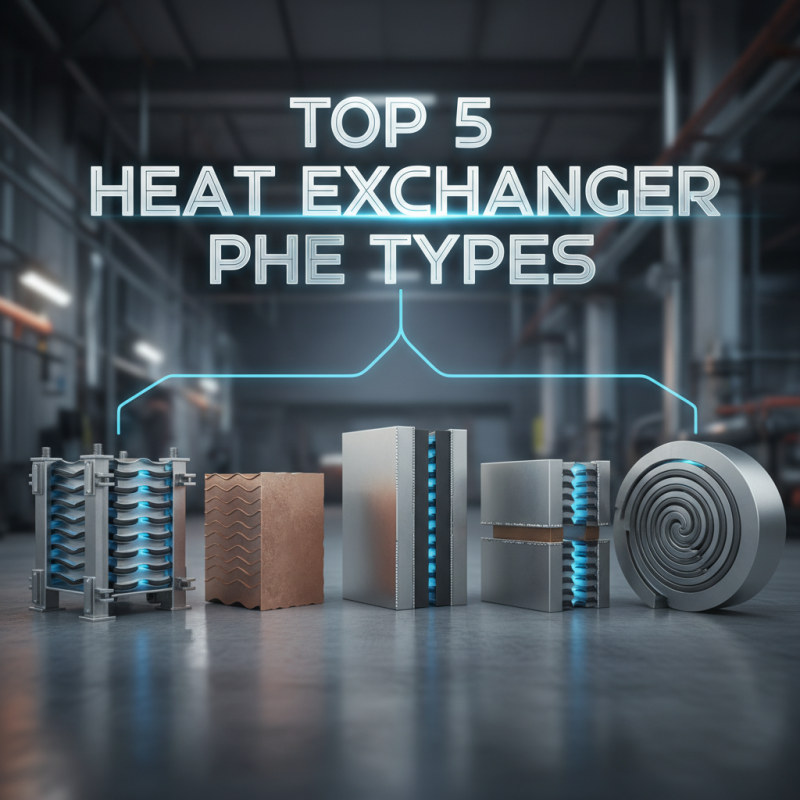
Plate heat exchangers (PHEs) are critical in various industries. Understanding their types can improve efficiency. Four main types of PHEs exist: gasketed, brazed, welded, and semi-welded. Each serves unique applications. For instance, gasketed PHEs are common in food processing. They handle high temperatures and pressures effectively.

Brazed PHEs often suit refrigeration systems. Their compact design maximizes heat transfer. They excel in tighter spaces. Welded PHEs are vital for high-pressure operations, typically found in power generation. Semi-welded PHEs are a hybrid, catering to applications requiring both durability and flexibility.

Tips: When selecting a PHE, consider your medium. Corrosive fluids need different materials. Regular maintenance can extend PHE life. Failing to address leaks promptly can lead to costly downtime. Keep in mind that efficiency varies. A PHE that works well in one setting may not perform in another. Evaluating your needs is essential. Utilize industry reports for insights into performance metrics. Many studies indicate PHEs can achieve 90% thermal efficiency when used correctly.

Top 5 Heat Exchanger PHE Types You Should Know About

Type Description Applications Advantages
Gasketed PHE Features removable gaskets that allow for easy maintenance and cleaning. HVAC systems, food processing, pharmaceuticals. Easy maintenance, high efficiency, flexibility in design.
Brazed PHE Constructed by brazing plates together, efficiently managing high-pressure liquids. Refrigeration, oil cooling, and heating. Compact design, excellent thermal performance, corrosion resistance.
Welded PHE Plates are welded together making them robust and suitable for high-pressure applications. Chemical processing, petrochemicals, and utility applications. Durability, high pressure & temperature resistance, no gaskets required.
Semi-welded PHE A hybrid of gasketed and welded designs, allowing for mixed fluid compatibility. Oil and gas, dairy, and chemical sectors. Flexible design, handles mixed fluids, easy maintenance on gasketed sides.
Plate & Frame PHE Consists of plates held in a frame, easily expandable and versatile. Water heating, cooling systems, and process industries. Versatile, expandable, and efficient heat transfer.

Key Features of Gasketed Plate Heat Exchangers

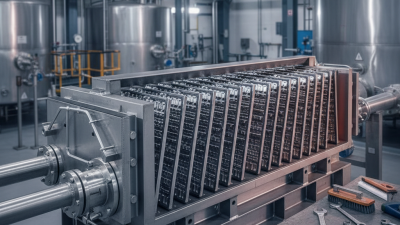
Gasketed plate heat exchangers (PHEs) are popular choices for many applications. They offer efficient heat transfer and flexibility. These heat exchangers consist of multiple plates stacked together. The design encourages a large surface area for heat exchange. This makes them more effective than traditional tube heat exchangers.

One key feature of gasketed PHEs is their adaptability. The plates can be added or removed. This means you can adjust the capacity based on your needs. However, this adaptability can also lead to miscalculations. Overestimating capacity can result in inefficiencies.

Tip: Regular maintenance is crucial. Inspect the gaskets for wear and tear. Replacing them on time can prevent leaks. It's easy to overlook, but this step is vital for efficient operation.

Another feature worth noting is the ease of cleaning. The detachable plates allow for thorough cleaning. This is especially important in industries like food and pharmaceuticals. However, remember that frequent dismantling can lead to wear on the gaskets.

Tip: Plan your cleaning schedule wisely. Avoid unnecessary dismantling to extend the lifespan of the components. Taking time to understand your system will enhance its performance.

Top 5 Heat Exchanger PHE Types - Key Features Comparison

Understanding the Functionality of Brazed Plate Heat Exchangers

Brazed plate heat exchangers (BPHE) are essential for efficient heat transfer. They use thin plates, which increase the surface area for heat exchange. This design enhances thermal performance. The plates are welded together, ensuring durability and minimizing leaks.

These heat exchangers excel in compact spaces. Their small footprint makes them suitable for various applications, from HVAC systems to industrial processes. The lightweight nature also allows for easy installation. However, they can be sensitive to pressure fluctuations. Users must monitor operation conditions carefully to prevent damage.

Cleaning a brazed plate heat exchanger can be challenging. Unlike other types, they don't easily dismantle for maintenance. Regular inspection is necessary to avoid efficiency loss. Users should be aware of the potential for fouling over time. This consideration is crucial, as neglecting it can lead to performance issues.

Comparing Welded Plate Heat Exchangers to Other Types

Top 5 Heat Exchanger PHE Types You Should Know About?

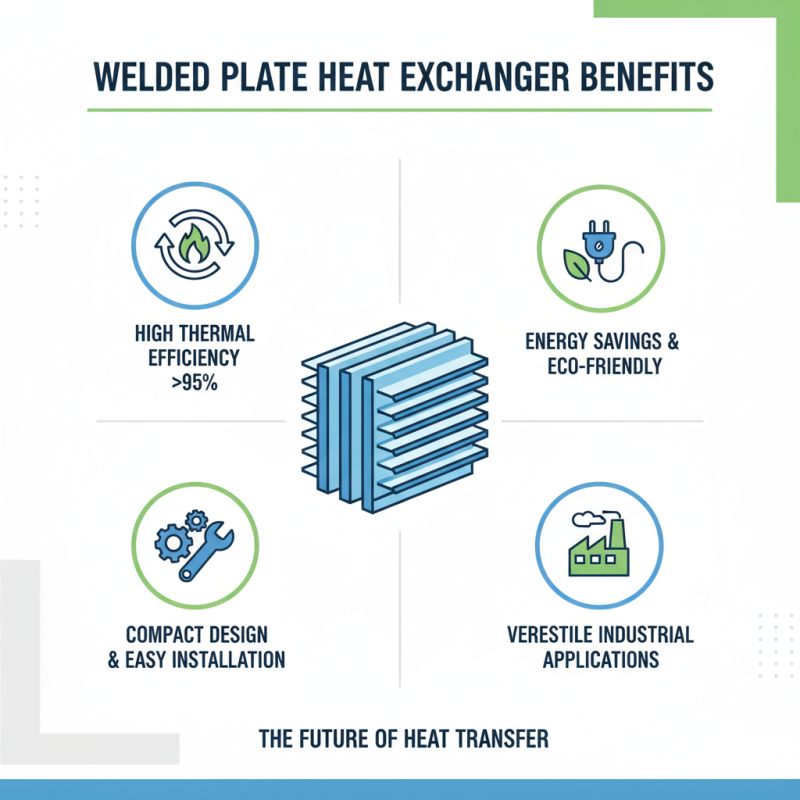
Welded plate heat exchangers (WPHEs) are gaining popularity in various industries. Their compact design allows for efficient heat transfer. According to a recent report by the International Energy Agency, WPHEs can achieve thermal efficiency levels exceeding 95%. This creates significant energy savings, making them a preferred choice for many applications. They are easy to install, requiring less space compared to traditional shell-and-tube heat exchangers.

However, WPHEs have limitations. Their welded plates make maintenance challenging. A report from the Heat Transfer Society warns that repairing a welded design requires complete disassembly. This aspect can lead to increased downtime. In contrast, traditional plate heat exchangers allow easier access for cleaning and repair. While WPHEs excel in efficiency, their maintenance drawbacks can be a concern for operations that rely on minimal downtime.

The choice between WPHEs and other types depends on specific needs. For high-pressure applications, welded designs can be more reliable. However, for processes requiring frequent maintenance, other options may be more practical. Balancing efficiency and maintenance is crucial. It is important to evaluate operational needs before making a decision.

Exploring the Advantages of Modular Plate Heat Exchangers

Top 5 Heat Exchanger PHE Types You Should Know About?

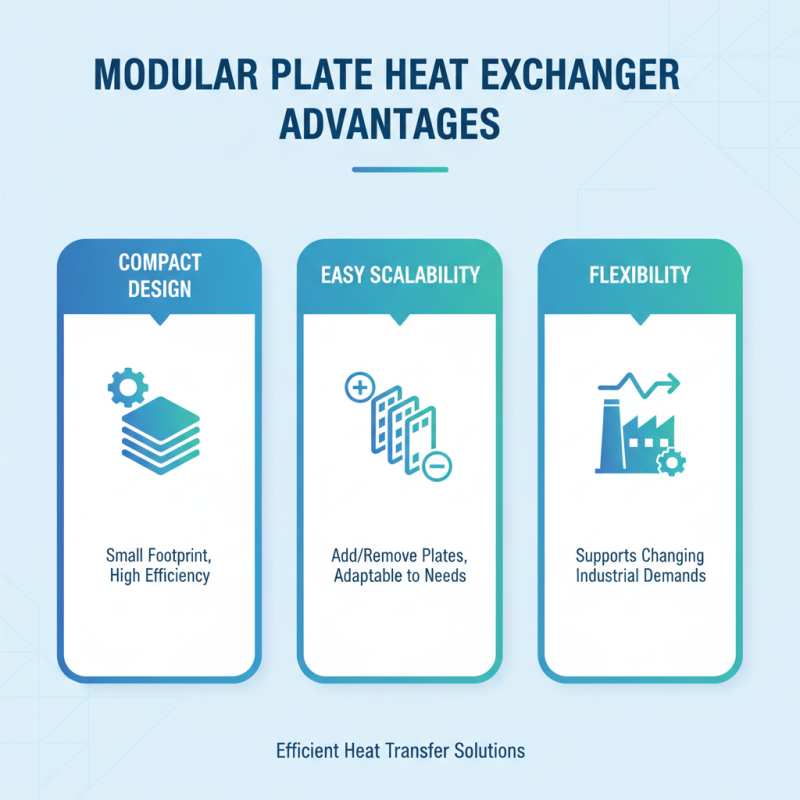
Modular plate heat exchangers (PHEs) have gained popularity in various industries. Their compact design allows for efficient heat transfer in a smaller space. This makes them ideal for applications with limited room. Easy scalability is another critical advantage. You can add or remove plates based on your heating and cooling needs. This flexibility supports changing industrial demands.

The construction of modular PHEs involves thin plates, creating narrow channels. This design increases the heat exchange surface area. As a result, they can handle large temperature differences effectively. They are also relatively easy to clean. Maintenance can be performed without dismantling the whole system. However, one needs to be cautious. Regular maintenance is essential to prevent fouling, which can decrease efficiency.

Despite their benefits, modular plate heat exchangers come with some drawbacks. They may not suit all fluid types. Some corrosive fluids might require special materials, raising costs. Furthermore, improper installation can lead to leaks and performance issues. Sizing the unit correctly is necessary, as an oversized or undersized unit compromises efficiency. Evaluating the specific needs of your application remains vital for optimal results.