What is a Plate To Plate Heat Exchanger and How Does It Work?
A Plate To Plate Heat Exchanger is a vital component in many industrial applications. It efficiently transfers heat between two fluids without mixing them. This technology is widely used in HVAC systems, food processing, and chemical manufacturing. By utilizing a series of thin plates, this heat exchanger maximizes surface area and improves heat transfer rates.
Understanding how a Plate To Plate Heat Exchanger operates is essential for engineers and plant operators. The design allows for effective thermal regulation. However, maintaining these systems can pose challenges. For instance, fouling can occur on the plates, reducing efficiency. Operators must regularly monitor and clean these units to prevent performance decline.
The reliability of a Plate To Plate Heat Exchanger hinges on its design and maintenance. While these systems offer numerous benefits, the complexity can lead to potential issues. Engineers must be proactive in their approach to ensure optimal functionality. By grasping the mechanics, professionals can leverage this technology more effectively.
Definition and Basic Principles of Plate To Plate Heat Exchangers
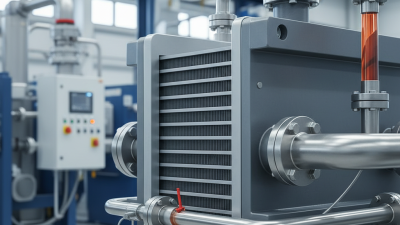
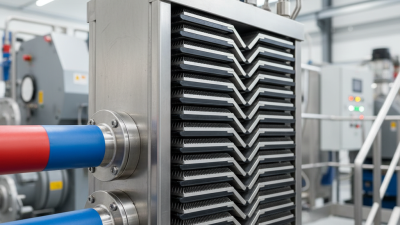
Plate to plate heat exchangers are essential devices in various industries. They are designed to transfer heat between two fluids efficiently. This process relies on the principles of conduction and convection. The structure consists of multiple thin plates, which create a large surface area for heat transfer while minimizing the fluid volume.
The working mechanism is simple yet effective. Hot fluid flows through one side of the plates, while the cold fluid moves through the other. This flow arrangement allows heat to pass through the plates. As the fluids exchange heat, the hot fluid cools down, while the cold fluid gains heat. Over time, efficiency can decrease if not properly maintained, showing the importance of regular checks.
In practical applications, plate to plate heat exchangers are used in HVAC systems, chemical processing, and food production. Their compact design makes them a favorable choice for space-limited situations. However, they can have challenges, such as fouling and scaling, which requires thoughtful consideration and maintenance to ensure optimal performance. Balancing flow rates and temperatures can lead to better outcomes, but it also demands meticulous monitoring.
Key Components and Materials Used in Plate To Plate Heat Exchangers
Plate to plate heat exchangers are essential in various industries, providing efficient thermal exchange. The key components of these systems are plates, gaskets, and frames. Plates are typically made from stainless steel or titanium, chosen for their corrosion resistance and thermal conductivity. Gaskets, often made from elastomers or PTFE, are critical for ensuring a leak-proof seal, maintaining system efficiency.
Materials play a significant role in the performance and durability of heat exchangers. According to a recent industry report, stainless steel accounts for around 70% of heat exchanger materials due to its strength and resistance to oxidation. In some applications, titanium is preferred for its superior anti-corrosive properties, especially in marine or chemical settings. The choice of material affects not just efficiency but also maintenance costs, with high-quality components leading to longer lifespans.
Installing a plate to plate heat exchanger requires careful consideration of design and material compatibility. Improper selection can lead to performance issues and increased operational costs. Regular inspections are essential to identify wear and tear, especially in gaskets that may degrade over time. Understanding these components can greatly enhance the reliability of thermal management systems.
How Plate To Plate Heat Exchangers Facilitate Heat Transfer
Plate to plate heat exchangers are vital in many industries. They facilitate efficient heat transfer between two fluids through thin plates. This design maximizes surface area, allowing better thermal exchange while minimizing space usage. The plates are usually made of stainless steel or titanium, ensuring durability and resistance to corrosion.
The fluid dynamics in a plate to plate heat exchanger are fascinating. As the hot fluid travels through one set of plates, the cooler fluid passes through an adjacent set. This configuration creates a highly efficient heat transfer process. It is not without challenges; uneven flow distribution can occur, requiring careful attention during design. Potential leaks at plate joints demand regular maintenance.
Users often overlook the influence of fouling. Deposits on the plates can hinder performance, reducing efficiency. Regular cleaning is essential to maintain optimal conditions. This not only prolongs the equipment's lifespan but also ensures consistent energy savings. Understanding these intricacies is crucial for anyone working with heat exchangers.
Advantages and Applications of Plate To Plate Heat Exchangers
Plate to plate heat exchangers are essential in various industries, offering efficient heat transfer solutions. Their design enables compact systems, making them ideal for space-limited applications. These heat exchangers are widely used in chemical processing, food and beverage industries, and HVAC systems.
The advantages of plate to plate heat exchangers include enhanced thermal efficiency. Research indicates that thermal efficiencies can rise up to 90% compared to traditional counterparts. Their modular design allows for easy cleaning and maintenance, which improves operational reliability. Users often appreciate the ability to remove plates for inspection, ensuring the system runs smoothly without significant downtime.
However, there are limitations. The susceptibility to fouling can impact performance over time. Some users reported reduced efficiency when not regularly maintained. Furthermore, a careful consideration of the fluid types is crucial, as aggressive fluids can lead to plate corrosion. Addressing these issues ensures optimal function and longevity of the heat exchanger system.
Maintenance and Operational Considerations for Plate To Plate Heat Exchangers
Maintaining plate to plate heat exchangers requires careful attention to details. Regular inspections are essential. It’s important to examine gaskets for wear and tear, as they can lose effectiveness over time. Corrosion can also occur on the plates, which affects performance. Studies show that about 30% of heat exchangers experience efficiency losses due to inadequate maintenance.
Operational factors play a significant role in longevity. Flow rates must be monitored regularly. If the flow rate exceeds recommended levels, it can lead to turbulence and increased erosion. Also, pay attention to the temperature differentials. A significant imbalance can stress the plates and lead to costly repairs. In fact, nearly 20% of operators report unexpected downtime linked to thermal shocks.
Documentation is crucial for effective maintenance. Keeping detailed records of inspections and repairs can assist in identifying patterns of wear or potential failures. Training staff on proper operation can minimize mishaps. Yet, even the best preventive measures might not catch every issue. Understanding that plate to plate heat exchangers can sometimes fail despite thorough maintenance is key to preparing for unexpected challenges.