What is Plate Heat Transfer and Why is it Important in 2026?
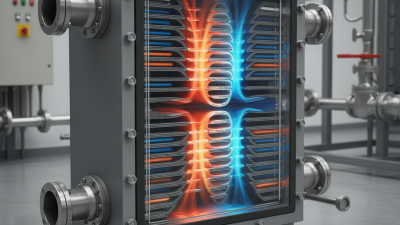
In 2026, the importance of Plate Heat Transfer has reached new heights. This process is crucial in various industries, from manufacturing to energy production. As global energy demands rise, efficiency becomes vital. Plate Heat Transfer systems provide an effective way to transfer heat while maximizing space and minimizing energy waste.
These systems are designed to enhance thermal efficiency. They minimize the amount of energy needed to heat or cool a fluid, making them significantly cost-effective. Moreover, their compact nature allows for easy integration into existing systems. This adaptiveness is crucial for industries striving to reduce their carbon footprints and optimize operations.
However, the advancements in Plate Heat Transfer technology are not without challenges. Industry experts must remain updated on the latest innovations to avoid potential pitfalls. Understanding the underlying principles and applications is essential for engineers and managers alike. As we look forward, the significance of Plate Heat Transfer will only grow, driving the need for continuous improvement and expertise in this field.
What is Plate Heat Transfer?
Plate heat transfer is a crucial process in various industrial applications, particularly in energy systems. It involves the transfer of heat between two fluids in a plate heat exchanger. These exchangers are highly efficient, often achieving thermal effectiveness greater than 90%. According to a recent industry report, market growth for plate heat exchangers was projected to reach $6 billion by 2026, driven by the increasing demand for energy-efficient solutions.
The principle behind plate heat transfer is relatively straightforward. Thin plates create a large surface area for heat exchange while minimizing the amount of fluid required. This design enables faster heat transfer and reduces energy consumption. For instance, a study indicated that optimizing flow patterns in these exchangers can enhance heat transfer rates by up to 30%. However, plate heat exchangers are not without challenges. Fouling can occur, leading to reduced efficiency and requiring periodic maintenance.
In the quest for improved performance, engineers continually explore new materials and designs. Innovative coatings can mitigate fouling issues, but the durability of these solutions remains under evaluation. Users must often weigh the initial costs against long-term benefits, reflecting a common tension in heat transfer applications. Understanding these dynamics is essential for making informed decisions in the evolving landscape of energy-efficient technologies.
Fundamental Principles of Heat Transfer in Plate Systems
Plate heat transfer is a crucial concept in thermal engineering. Understanding the fundamental principles behind it helps improve system efficiency. In plate systems, heat transfer occurs through conduction and convection. The design of plate surfaces influences these processes significantly.
The efficiency of heat transfer relies on the surface area of plates. A larger area promotes better heat exchange. Additionally, the fluid dynamics around these plates affect performance. Turbulent flow enhances heat transfer, while laminar flow can hinder it. Engineers must consider these factors when designing plate systems.
In practice, engineers face challenges in optimizing these systems. For instance, achieving the right balance between surface area and fluid flow can be difficult. It’s essential to test designs rigorously to find optimal conditions. This journey of trial and error is vital in improving the efficiency of heat transfer in plate systems. Understanding these principles fosters innovation in various industries, from HVAC to food processing.
Applications of Plate Heat Exchangers in Various Industries
Plate heat exchangers (PHEs) play a crucial role in many industries today. They transfer heat between two or more fluids efficiently. This is vital in sectors like chemical processing, food production, and HVAC systems. By using a large surface area, PHEs maximize heat transfer while minimizing space requirements. They are particularly favored for their compact design and high thermal efficiency.
In the food industry, plate heat exchangers are essential for pasteurization. They help maintain the quality and safety of products without compromising flavor. Similarly, in pharmaceuticals, precise temperature control is vital for product integrity. PHEs ensure consistent heating and cooling, which enhances product quality.
Despite their advantages, challenges exist. Fouling can reduce efficiency, requiring regular maintenance. Some industries may find initial costs daunting. Understanding these hurdles is key for effective use. Investment in quality and training can mitigate some of these issues. The future of plate heat exchangers in various sectors lies in innovation and adaptation.
What is Plate Heat Transfer and Why is it Important in 2026? - Applications of Plate Heat Exchangers in Various Industries
| Industry |
Application |
Benefits |
Expected Growth (%) by 2026 |
| Food and Beverage |
Pasteurization |
Enhanced safety and efficiency |
12% |
| Chemical |
Heat Recovery |
Reduced energy costs |
15% |
| HVAC |
Chilled Water Systems |
Improved energy efficiency |
10% |
| Pharmaceutical |
Process Heating |
Quality control and compliance |
8% |
| Oil and Gas |
Cooling Tubes |
Enhanced performance and reliability |
9% |
The Role of Plate Heat Transfer in Energy Efficiency and Sustainability
Plate heat transfer is crucial for improving energy efficiency in various industries. In 2023, the global heat exchanger market valued at around $20 billion, reflecting this significance. By 2026, advancements in plate heat exchanger technologies could enhance thermal performance. These systems reduce energy consumption significantly. Reports suggest that optimizing heat transfer involves increasing surface area while minimizing fluid resistance. This balance often presents challenges, especially in high-demand applications.
Sustainability is a key driver of plate heat transfer improvements. As industries face stricter regulations, efficient thermal management can mean lower carbon emissions. According to a study by the International Energy Agency, heat exchangers can improve energy recovery by up to 30%. This reduction not only lowers operational costs but also conserves resources. However, the transition to more sustainable solutions often encounters resistance from traditional methods.
The importance of ongoing research cannot be overstated. Innovations are necessary to address current inefficiencies in energy systems. Despite existing technologies, knowledge gaps remain. More data is needed to fully analyze performance under varying operational conditions. Stakeholders must collaborate to foster advancements in this critical area of energy management. This is essential for meeting future energy demands sustainably.
Future Trends and Innovations in Plate Heat Transfer Technology
Plate heat transfer technology is gaining momentum in various industries due to its efficiency and compact design. By 2026, innovations in materials and design will likely lead to significant improvements. According to recent reports, the global plate heat exchangers market is projected to grow at a CAGR of 7% by 2026, driven by the demand for energy-efficient systems.
Emerging trends include the adoption of advanced materials such as titanium and stainless steel, which enhance durability and thermal performance. These materials can withstand higher pressures and temperatures, thus expanding operational efficiency. Research indicates that new design methodologies, such as computational fluid dynamics, allow for optimized flow arrangements. This can result in up to 15% more heat recovery than traditional systems.
However, challenges remain. Integrating these technologies into existing systems can pose compatibility issues. Additionally, market uncertainties can affect investment in these innovations. Awareness of these issues is crucial for effective implementation. Looking ahead, the focus will be on balancing performance enhancement with cost-effectiveness and environmental sustainability. Adopting a proactive approach will be essential in navigating these future trends.