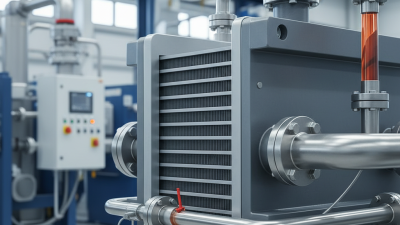
Why is Plate Heat Transfer Efficient for Industrial Applications?
In the world of industrial applications, efficiency is key. Plate Heat Transfer has emerged as a frontrunner in heat exchange technology. Dr. Emily Carter, a renowned expert in thermal engineering, asserts, “The compact design of Plate Heat Transfer systems enables higher heat transfer rates with less energy consumption.”
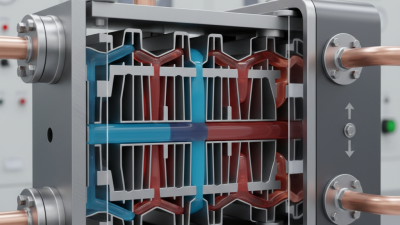
This technology uses thin plates to facilitate heat transfer between two fluids. The design promotes turbulence, which enhances thermal conductivity. As industries strive for sustainability, Plate Heat Transfer offers a solution to minimize energy wastage. However, not all systems are created equal.
Challenges exist in maintaining optimal flow rates and preventing fouling. Effective implementation requires careful consideration of operating conditions. Despite these hurdles, many industries are witnessing the benefits of Plate Heat Transfer. Continuous innovation can address shortcomings and improve efficiency. The future of thermal management may very well rely on this versatile technology.
Efficiency of Plate Heat Exchangers in Industrial Settings
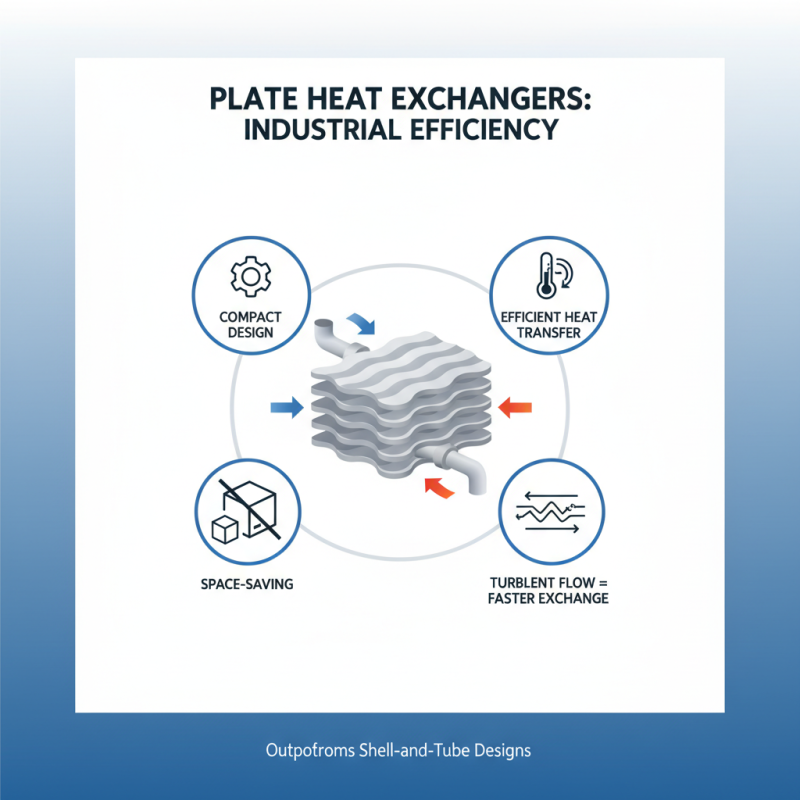
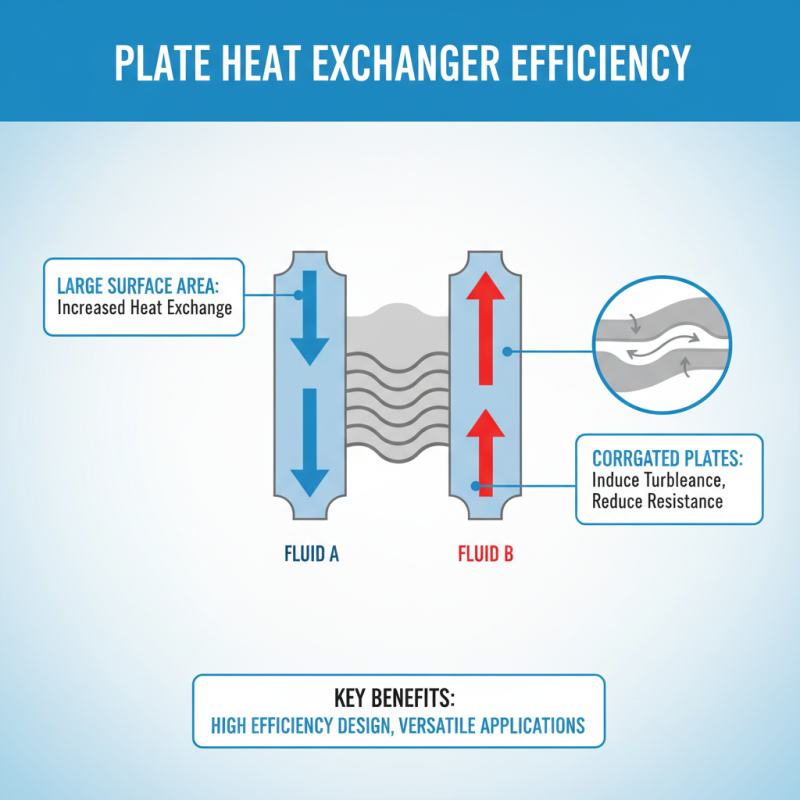
Plate heat exchangers are increasingly popular in industrial settings. Their compact design allows for efficient heat transfer while saving space. In many cases, they outperform traditional shell-and-tube designs. This efficiency is largely due to their large surface areas, which facilitate quick thermal exchange. The plates create a turbulent flow, improving contact between fluids.
However, this technology is not without its flaws. Dirt and scale can accumulate between the plates, reducing efficiency. Regular maintenance is crucial to keep these systems running smoothly. Operators often overlook the importance of cleaning. Ignoring this aspect can lead to increased energy costs and reduced performance.
Despite these challenges, plate heat exchangers remain a top choice for many applications. They are versatile and can handle various fluid types and temperatures. Industries such as food processing and HVAC benefit greatly from their use. Their efficient design can lead to substantial energy savings over time. However, careful monitoring and maintenance are necessary to achieve optimal results.
Key Design Features Enhancing Heat Transfer Performance
Plate heat exchangers are popular in various industries due to their high efficiency. Key design features significantly enhance their heat transfer performance. One prominent design aspect is the large surface area provided by the plates. This allows for greater heat exchange between the two fluids. The corrugated pattern of the plates causes turbulence, minimizing thermal resistance. Turbulent flow ensures that heat transfer is maximized.
Another important feature is the compact size of plate heat exchangers. They save space while delivering substantial heat transfer. Many facilities prefer this design due to limited operational space. However, users should note, packing too many plates can lead to excessive pressure drop, which may impact overall efficiency. Balance is crucial.
Tips: Regular maintenance can prevent fouling and ensure optimal performance. Always monitor the temperature differentials for efficiency. Keeping an eye on these factors can reveal potential issues early. Small adjustments can lead to big improvements in heat transfer efficiency. Users must remain vigilant and make necessary changes over time. Sometimes less is more in design, and simplicity can aid in efficiency.
Comparison with Other Heat Exchanger Types
Plate heat exchangers stand out in industrial applications due to their compact design and high efficiency. Unlike traditional shell-and-tube heat exchangers, plates offer a larger surface area for heat transfer, making them ideal for processes requiring significant thermal exchange.
One key advantage is their ability to handle multiple streams. They can separate hot and cold fluids efficiently. This configuration minimizes the risk of mixing and contamination. However, maintenance can be challenging. Accumulated deposits may hinder performance over time. Regular cleaning is essential.
Tips: Consider periodic inspections. This can prevent unexpected shutdowns. Ensure the system operates at optimal conditions. Additionally, monitor fluid properties. Choosing the right fluid enhances performance and longevity.
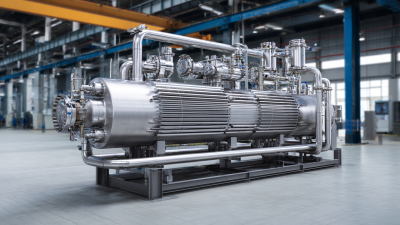
Exploring alternatives, shell-and-tube exchangers, while robust, tend to be bulkier. Their larger volume can consume more space. Air-cooled systems offer a different approach but may lack efficiency in high-demand situations. Ultimately, the choice of heat exchanger depends on specific needs. Recognizing these nuances can help in making informed decisions.
Efficiency of Heat Exchanger Types in Industrial Applications
Applications in Various Industries: A Case Study Overview
Plate heat exchangers play a crucial role in many industries. Their design allows for efficient heat transfer, which is essential for energy conservation. In food processing, for instance, these devices help in pasteurization. They ensure consistent heating without altering the product's flavor. This efficiency is vital for maintaining high standards of food safety.
In the chemical industry, plate heat exchangers are used for cooling and heating. They handle aggressive fluids safely, minimizing downtime. However, there are challenges. Fouling can reduce efficiency, requiring regular maintenance. This can lead to increased costs and production delays. Industries must consider these factors in their processes.
Pharmaceutical companies also utilize plate heat exchangers. They enable precise temperature control during production. Despite their efficiency, these systems can sometimes struggle with viscous fluids. This limitation calls for innovative solutions. Companies should reflect on their needs and adapt their equipment accordingly. Balancing efficiency and performance remains a constant challenge across sectors.
Future Trends in Plate Heat Transfer Technologies
As industries evolve, the focus is on improving efficiency in heat transfer technologies. Plate heat exchangers are gaining attention for their compact design and high efficiency. However, there are some limitations that need to be addressed. For instance, they can be sensitive to fouling, which affects their overall performance. Ongoing research seeks to enhance materials and designs to combat this issue effectively.
Future trends include the integration of smart technologies. Sensors embedded within plate heat exchangers can provide real-time data. This helps in monitoring performance and predicting maintenance needs. Additionally, new materials, like advanced polymers, promise improved durability. However, the challenge lies in cost-effectiveness and scalability of these innovations. Industries will need to balance quality with affordability as they adopt these emerging technologies.
Sustainability is another key area of focus. Manufacturers are looking into energy recovery options. Incorporating renewable energy sources into heat transfer systems could significantly reduce carbon footprints. Yet, there remains uncertainty about the best methods for implementation. Collaborative efforts across sectors will be crucial in exploring practical applications of these evolving technologies.
Why is Plate Heat Transfer Efficient for Industrial Applications? - Future Trends in Plate Heat Transfer Technologies
| Parameter |
Value |
Comments |
| Heat Transfer Coefficient (W/m²·K) |
2000 - 10000 |
High efficiency due to large surface area |
| Temperature Range (°C) |
-40 to 200 |
Versatile for different applications |
| Pressure Drop (kPa) |
10 - 50 |
Critical for energy efficiency |
| Maintenance Frequency (Months) |
12 - 24 |
Lower maintenance compared to shell and tube |
| Market Growth Rate (%) |
8 - 12 |
Increasing demand in various industries |