What is Plate Heat Transfer and How Does It Work?
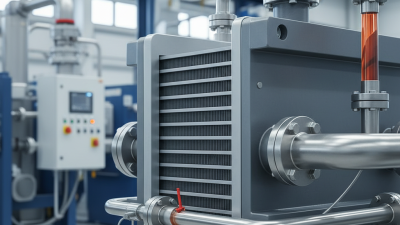
Plate Heat Transfer is an essential concept in thermal engineering. It involves the efficient transfer of heat between two fluids that flow in separate channels. This method plays a vital role in various industries, such as food processing and HVAC systems. By maximizing heat exchange, businesses can save energy and improve efficiency.
The mechanism operates through specially designed plates. These plates create a large surface area, allowing for increased contact between the fluids. The design can be quite complex. However, its effectiveness is often undeniable. In certain applications, a poorly designed plate system can lead to significant energy losses.
Some may overlook the importance of maintenance in Plate Heat Transfer systems. Regular checks can prevent malfunctions and enhance performance. Real-world applications often highlight the need for continuous improvement. While this technology is beneficial, it requires careful monitoring to achieve optimal results.
Understanding Plate Heat Transfer: Definition and Principles
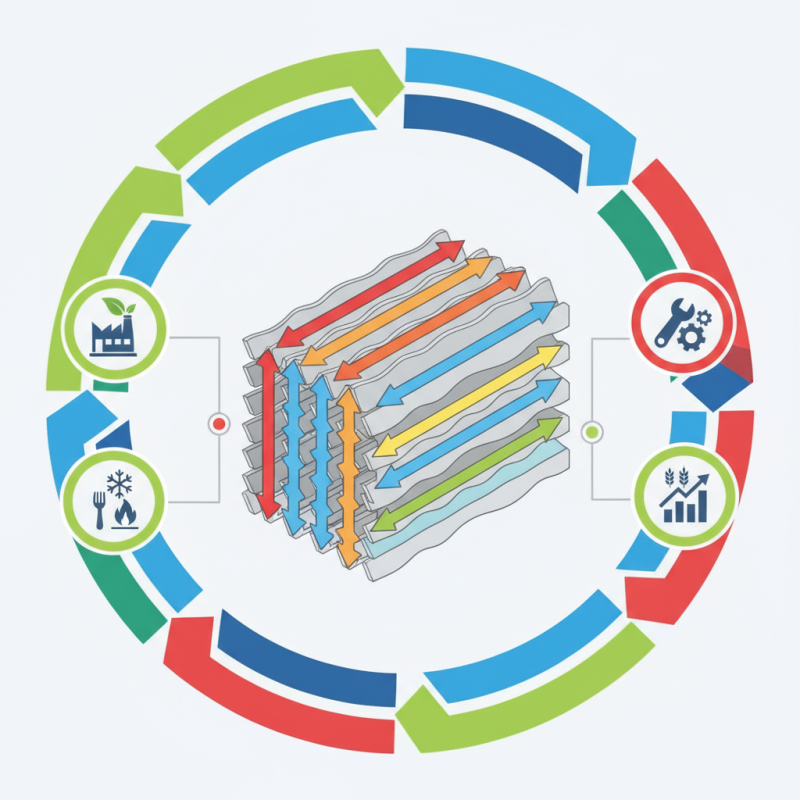
Plate heat transfer involves the movement of thermal energy through plate surfaces. This process is crucial in various industries, including food processing and HVAC. At its core, it utilizes thin plates to facilitate heat exchange, making it efficient and effective.
The principles of plate heat transfer rely on conduction and convection. When hot fluid flows over plates, it transfers heat to a cooler fluid on the opposite side. Data reveals that plate heat exchangers can achieve efficiency levels of up to 90% in thermal exchange. This technology can save energy and reduce operational costs significantly.
However, not all applications are straightforward. Factors such as fluid velocity and temperature profiles can complicate the process. The design must account for these variables to ensure optimal performance. A report by the International Energy Agency highlights that improper design can lead to a 20% decrease in efficiency. Thus, understanding these principles is essential for effective implementation.
The Structure of Plate Heat Exchangers and Their Components
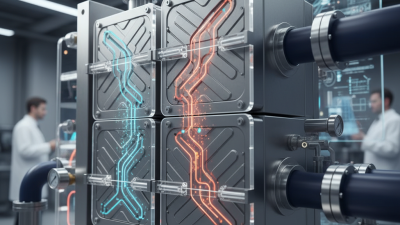
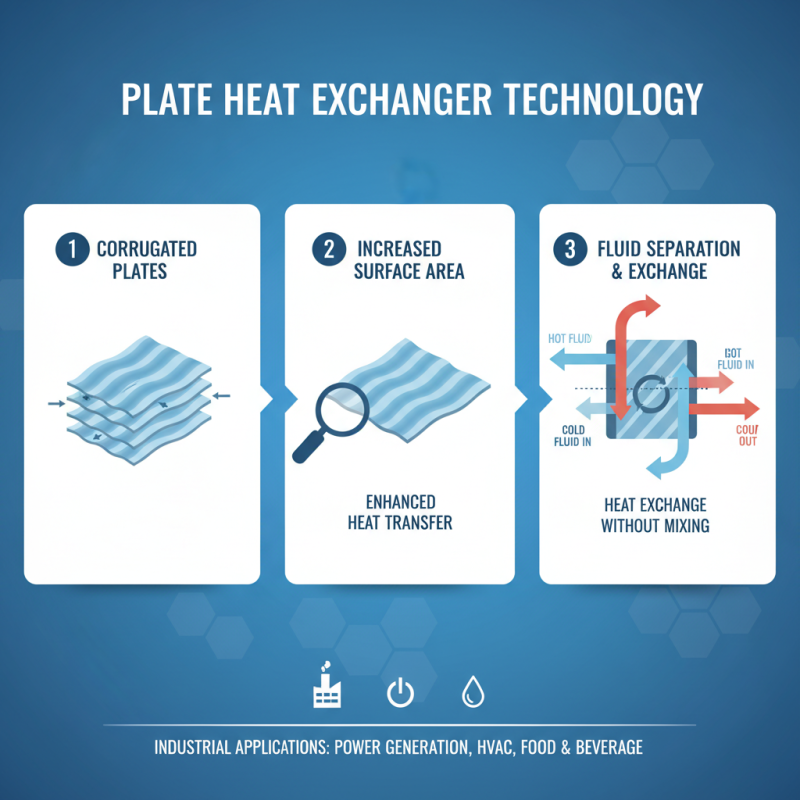
Plate heat exchangers are essential in many industrial applications. They consist of thin, corrugated plates stacked together. This structure enhances the heat transfer process by increasing the surface area. Each plate forms a channel for the fluids to flow. The arrangement allows for efficient heat exchange between two or more fluids without them mixing.
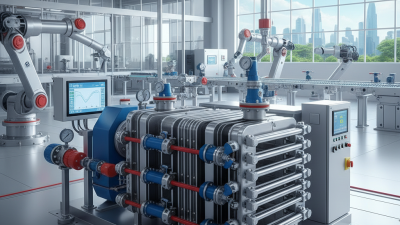
The components of plate heat exchangers include the plates, a frame, and gaskets. The plates are typically made from stainless steel. They endure high pressure and temperature. The frame holds the plates together securely. Gaskets, positioned around the plates, prevent leaks. These elements must be durable. A failure can lead to significant downtime. Regular inspection is necessary.
Despite their efficiency, there are limitations. The design requires careful consideration of fluid properties. The fouling of plates can diminish performance. Maintenance can be a complex task. These issues highlight the need for a thorough understanding of plate heat exchanger systems. Knowledge of their structure and components is crucial for optimal operation.
Mechanisms of Heat Transfer in Plate Heat Exchangers
Plate heat exchangers are efficient devices for transferring heat. They rely on several mechanisms to ensure optimal performance. The primary mechanism is conduction. When a hot fluid flows through one side of the plates, heat transfers through the metal material to the cooler fluid on the opposite side. This process is essential for effective heat exchange.
Another important mechanism is convection. This occurs when the fluids move over the plate surfaces. The motion increases the heat transfer rate, making it more effective. Turbulent flow can enhance this process. It allows for better mixing and greater thermal contact. However, achieving the right flow rate is a delicate balance. Too fast can lead to erosion, while too slow may reduce efficiency.
Temperature gradients also play a crucial role in plate heat exchangers. The larger the difference between the two fluids, the more heat transfer occurs. However, maintaining this difference can be challenging. Environmental factors, such as the fluid properties and operational conditions, can affect efficiency. Continuous monitoring is vital to ensure optimal performance and adapt to changing conditions.
Applications of Plate Heat Transfer Systems in Various Industries
Plate heat transfer systems are widely utilized across various industries. They are essential for efficient thermal management. These systems consist of thin plates that facilitate heat exchange. In industries like food and beverage, they ensure precise temperature control. This prevents spoilage and maintains product quality.
In chemical manufacturing, plate heat exchangers play a critical role. They help manage heat during reactions, ensuring efficiency and safety. Additionally, in HVAC systems, these exchangers contribute to energy savings. They maximize the use of existing heat, reducing costs.
Tip: Regular maintenance of heat exchangers is crucial. A small leak can lead to significant efficiency loss. Monitor for any issues closely. Constant vigilance is key.
In power generation, plate heat transfer is vital as well. It helps in cooling systems, ensuring they function optimally. However, sometimes these systems can create bottlenecks. Identifying and remedying these problems is essential. Efficiency can slip away when overlooked.
Tip: Consider investing in monitoring technology. It can alert you to potential issues early on. This can save time and money in the long run.
What is Plate Heat Transfer and How Does It Work? - Applications of Plate Heat Transfer Systems in Various Industries
| Industry |
Application |
Benefits |
Efficiency (%) |
| Food and Beverage |
Pasteurization |
Improved safety and shelf-life |
85 |
| Chemical Processing |
Heat Exchangers |
Better energy efficiency |
90 |
| Pharmaceuticals |
Sterilization |
High purity and safety standards |
95 |
| HVAC |
Heat Recovery Units |
Reduce energy consumption |
80 |
| Marine |
Cooling Systems |
Compact design, space saving |
87 |
Advantages and Limitations of Plate Heat Exchangers in Practice
Plate heat exchangers are widely used in various industries due to their unique design and efficiency. One significant advantage is their compact size. They occupy less space compared to traditional exchangers. This makes them ideal for facilities with limited real estate. Their ability to manage high pressure and temperature is noteworthy, which broadens their application range.
However, plate heat exchangers are not without limitations. They can be susceptible to fouling, which reduces efficiency over time. Regular maintenance is often necessary to combat this issue. Additionally, they are less effective with viscous fluids. This means that in certain applications, alternative heat exchangers may perform better. The initial cost can also be higher, which may deter some users.
User feedback is mixed regarding their longevity. Some have reported excellent durability, while others face issues sooner than expected. The materials used in their construction can affect performance as well. Each factor contributes to the ongoing discussion about their suitability for specific tasks. Despite these drawbacks, many continue to appreciate their overall effectiveness.