How to Optimize Plate Heat Transfer for Better Efficiency?
In the world of thermal engineering, Plate Heat Transfer plays a crucial role. Many industries rely on it for efficiency. However, optimizing this process can be challenging. Typical systems often face issues related to flow patterns and heat exchange rates. Understanding these aspects is vital for improving overall performance.
The design of plate heat exchangers significantly affects their efficiency. Small changes can lead to noticeable improvements. For instance, adjusting the flow rate can enhance heat transfer. Yet, striking the right balance is tricky. Too high or too low can create problems. Additionally, fouling can severely impact heat transfer, leading to inefficiencies.
Improving Plate Heat Transfer also requires innovative thinking. Sometimes, common practices may not yield the best results. Engineers must question existing designs and seek alternatives. By evaluating materials and geometries, one can uncover new opportunities. An open mind can lead to breakthroughs in heat transfer efficiency. Ultimately, this exploration leads to better technological advancements and sustainability.
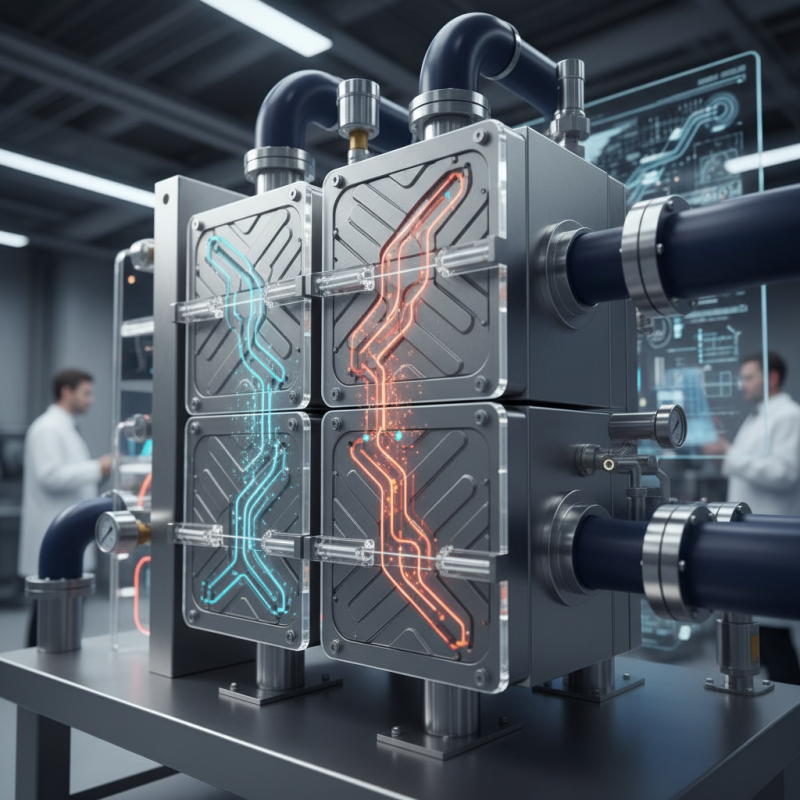
Understanding the Basics of Plate Heat Exchangers
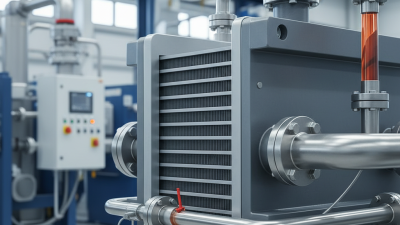
Plate heat exchangers (PHEs) are essential in industries for efficient thermal management. They convert heat between two fluids. Understanding their basics is crucial for optimizing efficiency.
The design of PHEs allows for high heat transfer rates due to their large surface area. The flow arrangement can significantly impact performance. For instance, counterflow configurations often yield better heat transfer rates than parallel flow. A report from the Heat Transfer Society indicates that PHEs can achieve up to 90% thermal efficiency in optimal conditions.
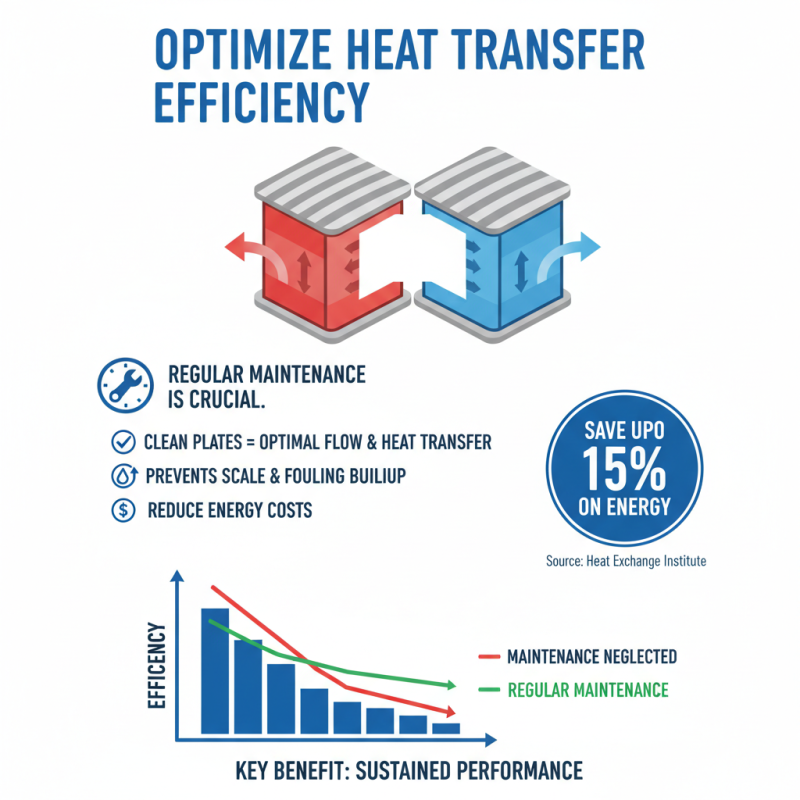
However, operational challenges persist. Fouling can reduce efficiency by as much as 30% over time. Regular maintenance is necessary to maintain high performance. Additionally, improper sizing of heat exchangers can lead to inefficiencies. A study revealed that about 25% of installations do not meet their design specifications, highlighting the need for continuous re-evaluation and adaptation.
How to Optimize Plate Heat Transfer for Better Efficiency?
| Parameter |
Value |
Unit |
| Heat Transfer Area |
150 |
m² |
| Flow Rate of Hot Fluid |
10 |
m³/h |
| Flow Rate of Cold Fluid |
12 |
m³/h |
| Inlet Temperature of Hot Fluid |
140 |
°C |
| Inlet Temperature of Cold Fluid |
30 |
°C |
| Overall Heat Transfer Coefficient |
450 |
W/m²·K |
| Efficiency |
85 |
% |
| Pressure Drop |
0.5 |
bar |
Key Factors Affecting Heat Transfer Efficiency
Heat transfer efficiency in plate heat exchangers is influenced by several critical factors. The fluid properties, such as viscosity and thermal conductivity, play a significant role. For instance, studies indicate that a fluid with a lower viscosity can enhance flow velocity, improving heat transfer rates. Typically, fluids with higher thermal conductivity yield better results. Industry reports suggest that optimizing these properties can increase efficiency by up to 25%.
Flow arrangement also matters. Counterflow designs often outperform parallel flow setups. In counterflow, hot and cold fluids flow in opposite directions, maintaining a larger temperature difference. Research shows this can lead to higher heat recovery rates. Additionally, surface area enhancement through textured plates can further drive efficiency. Textured surfaces can increase turbulence, promoting more effective heat transfer. However, balancing the added complexity of these designs can be challenging.
Maintenance factors should not be overlooked either. Fouling can severely impact performance. Regular cleaning schedules are vital to prevent buildup. Neglecting this can decrease efficiency by over 50%. Continuous assessment of these elements can lead to minor adjustments, significantly improving overall thermal performance.
Techniques for Enhancing Heat Transfer Rates in Plate Exchangers
Enhancing heat transfer rates in plate heat exchangers is crucial for efficiency. Effective techniques can drastically improve thermal performance. Studies show that optimizing flow arrangements can increase heat transfer rates by up to 30%. Understanding the hydrodynamics within the exchanger is vital for this.
Utilizing advanced surface designs can also boost performance. For instance, introducing turbulators can create disturbances in the flow, leading to enhanced thermal mixing. According to the Journal of Heat Transfer, these changes can enhance heat transfer coefficients by 25%. However, this might lead to higher pressure drops. Engineers must balance efficiency with operational costs.
Another essential aspect is regular maintenance. Fouling can significantly degrade performance. A recent report indicated that neglected exchangers could lose up to 40% of their efficiency over time. Regular inspections and cleaning help maintain optimal performance. Industry professionals should prioritize these practices to avoid unintended performance drops.
Heat Transfer Efficiency in Plate Heat Exchangers
Selecting the Right Materials for Optimal Heat Transfer
Selecting the right materials for plate heat exchangers is crucial for achieving optimal heat transfer efficiency. Recent industry reports indicate that the thermal conductivity of materials can significantly impact overall performance. For instance, copper and aluminum are often used due to their high conductivity levels. Copper boasts a thermal conductivity of around 400 W/m·K, while aluminum measures approximately 237 W/m·K. The choice between these materials often comes down to cost, weight, and application specifics.
However, the selection process isn't straightforward. Each material has its trade-offs. Copper is more expensive but offers superior thermal performance. Aluminum, while cheaper, may not always deliver the same level of efficiency. It's essential to assess the specific needs of your application, including fluid types and operating conditions. Materials must also withstand corrosion and fouling, which can degrade performance over time. A study highlighted that up to 30% of heat transfer efficiency can be lost due to fouling. This necessitates a careful material consideration to avoid long-term operational issues.
Even with optimal material choices, issues may persist. Design flaws and assembly errors can lead to uneven heat distribution. It's important to conduct regular maintenance and inspections. These steps can help mitigate efficiency losses. Choosing the right material is just one part of the equation. Regular evaluation and adaptation to new materials and techniques are vital for continued efficiency in heat transfer applications.