Top Heat Exchanger Furnace Manufacturers for Global Buyers
Choosing a Heat Exchanger Furnace manufacturer is a technical decision, not merely a price comparison. Global buyers must examine thermal efficiency, material durability, emissions performance, control systems, and after-sales support. A furnace may look impressive in a showroom, yet fail under continuous production loads. That detail matters.
The International Energy Agency reports that industry consumed about 37% of global final energy in 2022. Its Energy Efficiency 2023 analysis also highlights industrial heat recovery as an important efficiency opportunity. The U.S. Department of Energy’s Industrial Decarbonization Roadmap identifies process heating as a major pathway for reducing industrial emissions. These findings place furnace design under serious scrutiny. Heat-transfer performance now affects operating costs, carbon exposure, and long-term equipment reliability.
Professor Sadik Kakac, a leading heat-transfer authority, describes the foundation clearly: “Heat exchangers are devices that facilitate the exchange of heat between two fluids.” A Heat Exchanger Furnace extends that principle into demanding thermal processing environments. It must control temperature evenly while managing pressure, corrosion, fouling, and maintenance access. Experienced buyers should request verified efficiency data, factory test records, weld-quality documentation, and references from comparable plants. They should also check local service capacity, spare-part lead times, and commissioning procedures. Small omissions become expensive later.
No ranking is perfect. Manufacturer strengths vary by fuel, capacity, industry, and region. Some published figures may reflect laboratory conditions rather than daily production. This guide therefore compares leading suppliers through practical evidence, published standards, engineering capability, and buyer feedback. The best choice is rarely the cheapest offer. It is the system that performs predictably after installation.
What Is a Heat Exchanger Furnace?
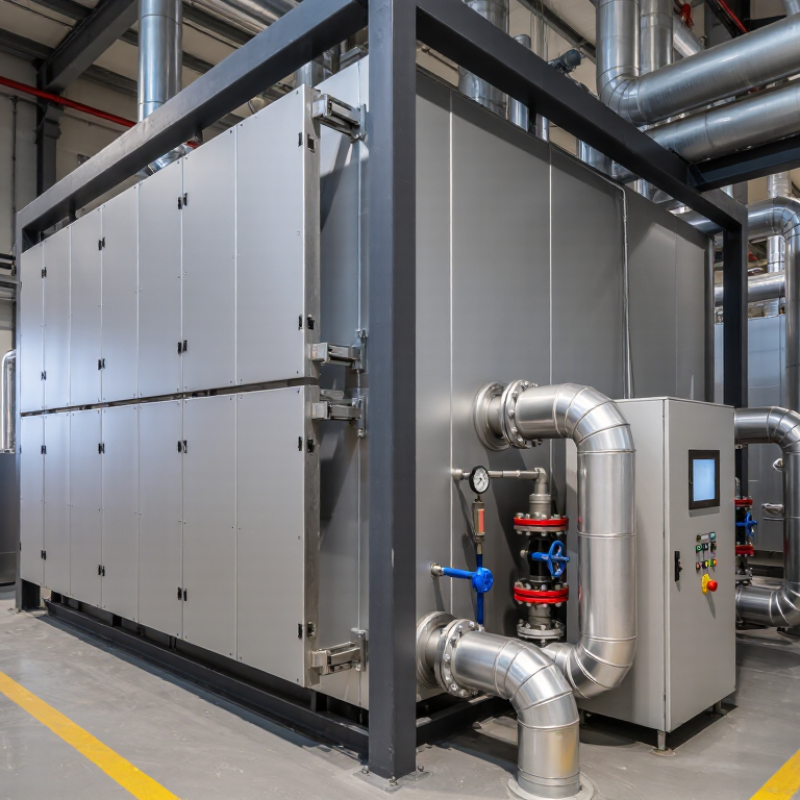
A heat exchanger furnace is a heating system that transfers combustion heat to indoor air without mixing the two streams. Fuel burns inside a sealed chamber. Hot gases flow through metal passages. A blower pushes filtered room air across those heated surfaces. Warm air enters the building through ducts, while exhaust leaves through a vent. The exchanger is the separating wall. That detail matters.
During field inspections, technicians check this component for cracks, rust, warped seams, and unusual flame behavior. A damaged exchanger may allow combustion products into the air stream. Carbon monoxide testing and proper ventilation are essential. Modern designs may use stainless steel or coated alloys. Material choice depends on temperature, moisture, fuel type, and operating cycles. Efficiency also depends on airflow, burner adjustment, insulation, and clean filters. A high efficiency rating does not guarantee comfortable heating.
Global buyers should compare heat output, voltage, fuel compatibility, climate conditions, controls, spare-part access, and installation standards. Ask for test data under realistic conditions, not only laboratory figures. Maintenance access should be practical. A difficult inspection often becomes a delayed inspection. The concept sounds simple, but real performance can vary. Even experienced teams may overlook duct leakage or poor condensate drainage. Careful commissioning exposes these weaknesses.
What Is a Heat Exchanger Furnace?
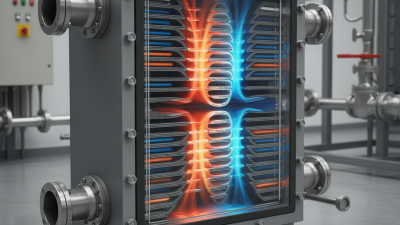
A heat exchanger furnace transfers heat indirectly from combustion gases or electric heating elements to air, gas, liquid, or a process load. The chart shows indicative industrial process temperature windows commonly served by furnace systems with controlled heat transfer.
Temperature ranges are representative industry values: actual operating limits depend on material, atmosphere, residence time, furnace design, and applicable process standards.
How to Evaluate Manufacturers, Certifications, and Product Quality
Top Heat Exchanger Furnace Manufacturers for Global Buyers
A serious evaluation begins with the manufacturer’s engineering evidence, not its sales brochure.
Ask for furnace layouts, heat-balance calculations, and documented operating temperatures. The supplier should explain how heat moves through the chamber and how uneven heating is controlled. Request references from facilities using similar fuels, materials, and production volumes. A factory visit can reveal practical details, such as weld cleanliness, spare-part storage, and calibration practices.
Certification claims require careful checking.
ISO 9001 supports quality management, but it does not guarantee excellent furnace performance. Pressure-bearing components may require ASME compliance or regional pressure equipment approval. Welding quality can be supported by ISO 3834 procedures and qualified operators. Request current certificates, issuing-body details, material certificates, and inspection records. Check whether the documents cover the exact factory and product model. Sometimes, the paperwork looks stronger than the actual scope.
Product quality should be tested before shipment.
Review thermal uniformity results, leak tests, pressure tests, electrical safety checks, and factory acceptance procedures. Ask whether temperature sensors are calibrated against traceable standards. Examine the control system’s alarm history and emergency shutdown design. A reliable supplier should provide manuals, maintenance schedules, drawings, and response times for technical support. No checklist is perfect. One overlooked detail, such as poor door sealing, can increase fuel use for years. Require clear correction procedures when test results miss the agreed limits.