How to Improve Efficiency Inside Heat Exchanger Systems?
Improving efficiency inside heat exchanger systems is critical for many industries. These systems play a vital role in thermal management and energy conservation. However, inefficiencies often arise from design flaws, fouling, and operational practices.
To enhance performance, it is essential to understand the dynamics inside heat exchanger systems. Attention must be given to fluid flow and temperature distribution. Inefficient flow can lead to hot spots, which waste energy. Regular maintenance and monitoring can mitigate fouling effects. This aspect, though often overlooked, is crucial.
Equipping systems with advanced monitoring technologies is also beneficial. These tools provide insights into real-time performance metrics. Yet, the implementation of such technologies is often met with resistance. Many organizations hesitate due to perceived costs or complexities. This reluctance can hinder progress and prevent optimized efficiency.
Identification of Key Factors Affecting Heat Exchanger Efficiency
Heat exchangers play a crucial role in various industries, affecting overall efficiency significantly. Several key factors impact their performance. One major element is the fluid flow arrangement. A counterflow design typically offers the best heat transfer rates, as studies show it can improve efficiency by up to 25%. This arrangement allows fluids to flow in opposite directions, maximizing temperature gradient and heat exchange.
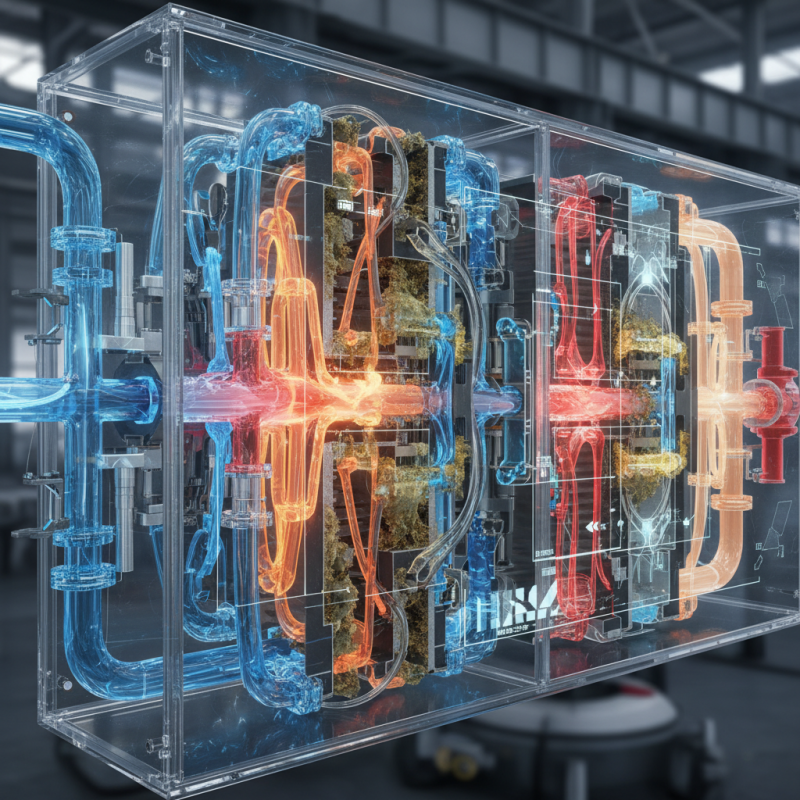
Another critical factor is fouling. Fouling reduces heat transfer efficiency and can lead to energy losses of 10-30%. Regular maintenance and cleaning routines are essential. For instance, implementing automated monitoring systems can proactively identify and address fouling before it escalates. Numerous reports emphasize that neglecting fouling management can lead to higher operational costs.
**Tip:** Consider investing in advanced monitoring technologies to detect fouling early. This can save costs and improve heat exchanger longevity.
Finally, materials affect overall efficiency. Choosing materials that withstand high corrosion rates may seem costly initially. However, they often reduce maintenance costs over time. Always evaluate the long-term benefits of material selection against potential operational challenges. This can lead to more sustainable practices.
How to Improve Efficiency Inside Heat Exchanger Systems? - Identification of Key Factors Affecting Heat Exchanger Efficiency
| Factor Affecting Efficiency |
Description |
Impact Level (1-10) |
Optimized Techniques |
| Heat Transfer Coefficient |
The ability of the exchanger surface to transfer heat between fluids. |
9 |
Enhanced surface area, choosing appropriate materials |
| Flow Arrangement |
Configuration of fluid flow affects temperature gradients. |
8 |
Counterflow or crossflow design |
| Temperature Differential |
Difference in temperature between the two fluids. |
7 |
Maintaining optimal operating conditions |
| Fluid Properties |
Viscosity and specific heat capacity of fluids. |
6 |
Choosing fluids with desirable thermal properties |
| Pressure Drop |
Loss of pressure affects flow rate and efficiency. |
5 |
Minimizing bends and using larger diameter pipes |
Regular Maintenance Practices to Enhance Heat Exchanger Performance
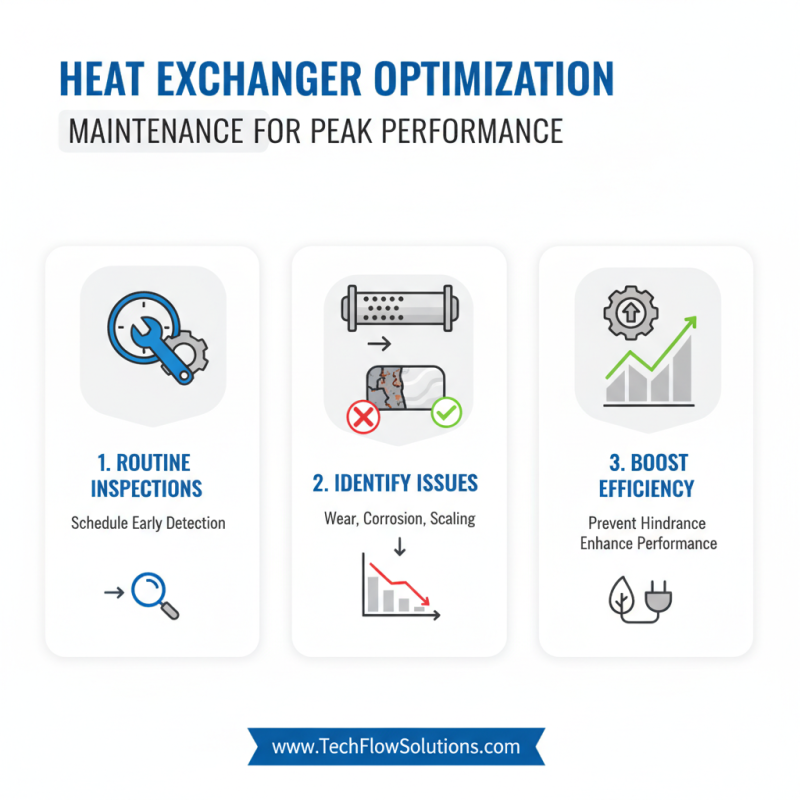
Regular maintenance practices are crucial for enhancing the performance of heat exchanger systems. Scheduling routine inspections can help identify possible issues early. Look for signs of wear, corrosion, or scaling. These factors can significantly hinder efficiency.
Cleaning heat exchangers is another essential task. Removing buildup from the surfaces ensures optimal heat transfer. Depending on usage, this may be necessary every few months or annually. It's vital to choose the right cleaning method. Too harsh a method can damage components, while too gentle may leave residues.
Monitoring temperature and pressure is key. Fluctuations can signal underlying problems. Regular data collection helps track performance trends over time. Consider using sensors to automate this process. Addressing anomalies quickly can prevent costly repairs. While it might be easy to overlook these smaller tasks, neglecting them could lead to bigger issues down the line.
Innovative Technologies for Optimizing Heat Transfer Rates
Heat exchangers play a crucial role in many industries. Optimizing heat transfer rates can significantly enhance their efficiency. Innovative technologies are paving the way for improvements. One such technology involves advanced surface coatings. These coatings can reduce fouling and enhance heat transfer. By optimizing surface characteristics, they minimize energy loss and increase durability.
Another promising approach is the use of nanofluids. These fluids contain nanoparticles that improve thermal conductivity. They can be introduced into existing heat exchange systems without a complete overhaul. However, issues like stability and cost-effectiveness need further investigation. The benefits of nanofluids are clear, but full-scale implementation remains a challenge.
Smart sensors and AI are also revolutionizing heat exchanger management. They monitor performance in real time. This data can help identify performance drops due to fouling or other factors. However, integrating these technologies can be complex and requires careful planning. Efficiency gains are possible, yet they come with various hurdles that demand attention and solutions.
Effective Fluid Flow Management Techniques in Heat Exchangers
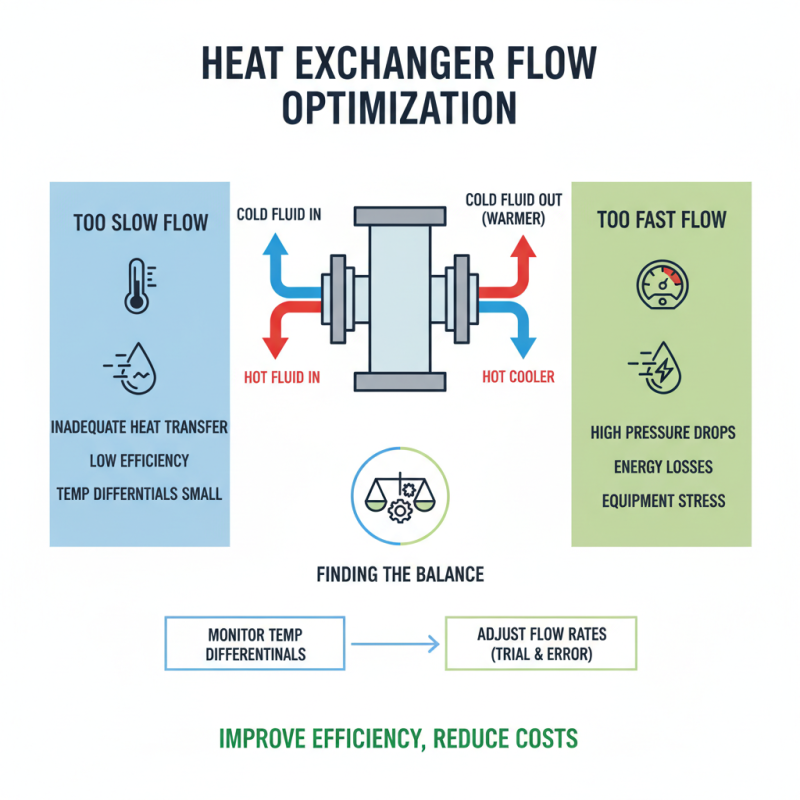
Effective fluid flow management in heat exchangers plays a crucial role in improving overall efficiency. One technique involves optimizing the flow rates of both the hot and cold fluids. If the flow is too slow, it can lead to inadequate heat transfer. Conversely, excessive flow can cause high pressure drops, resulting in energy losses. Finding the right balance is often a trial-and-error process. Monitoring temperature differentials can provide insights, but the adjustments may take time to implement.
Another aspect is the design of flow paths. Creating turbulent flow can enhance heat exchange, but it must be controlled. Excess turbulence may lead to erosion and wear of components. A well-designed flow path minimizes dead zones where stagnant fluid can accumulate. These areas are less effective at heat exchange, causing inefficiencies. Regular inspection and cleaning can help identify these spots, yet they are often overlooked.
Lastly, operators need to consider the fluid properties. Viscosity affects how easily fluids flow through the system. Changes in the fluid's physical characteristics due to temperature or pressure can diminish performance. Operators must regularly test and analyze these properties. Sometimes the results can indicate a need for system upgrades or fluid replacements, a hard truth for many designers. Realizing these challenges is the first step toward efficient fluid management.
Use of Materials Selection to Improve Heat Exchanger Durability and Efficiency
Selecting the right materials for heat exchangers is crucial. The effectiveness of these systems largely depends on durability and conductivity. According to recent industry reports, improper material selection can reduce efficiency by up to 20%. This inefficiency can lead to frequent maintenance and increased operational costs.
Stainless steel is commonly used due to its resistance to corrosion and high thermal conductivity. However, in some cases, it may not be the best choice. For instance, carbon steels are effective in specific working conditions. They can improve heat transfer but may suffer from corrosion issues. The key is understanding the environment in which the heat exchanger operates.
Another aspect to consider is the potential for fouling. Material choices can influence fouling rates. Fouling can decrease heat transfer efficiency significantly. Selecting materials with smoother surfaces can minimize this. For example, experimental data shows that reducing surface roughness can increase efficiency by nearly 15%. Yet, not all operations prioritize or understand this. Many continue using outdated materials, leading to reduced overall performance and unnecessary costs.