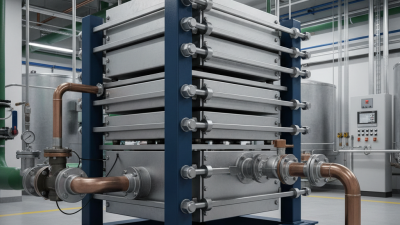
Why is a Heat Exchanger Important in Industrial Processes?
In industrial processes, a Heat Exchanger is a critical component. It transfers heat between two or more fluids. This process enhances energy efficiency. Heat Exchangers are used in various industries, from pharmaceuticals to energy. They help recover waste heat, reducing costs and improving sustainability.
The functioning of a Heat Exchanger can be complex. Its design must account for flow rates and fluid properties. Mismanagement can lead to operational failures. Inspecting Heat Exchangers regularly can identify issues early. This step prevents costly downtime and ensures safety.
Understanding the role of Heat Exchangers can pave the way for better industrial practices. They are not just devices; they are pivotal in resource management. When maintained properly, they contribute to smooth operation. Yet, neglecting their importance may lead to inefficiencies. It is crucial to reflect on how we manage and optimize this essential equipment.
Understanding the Functionality of Heat Exchangers in Industries
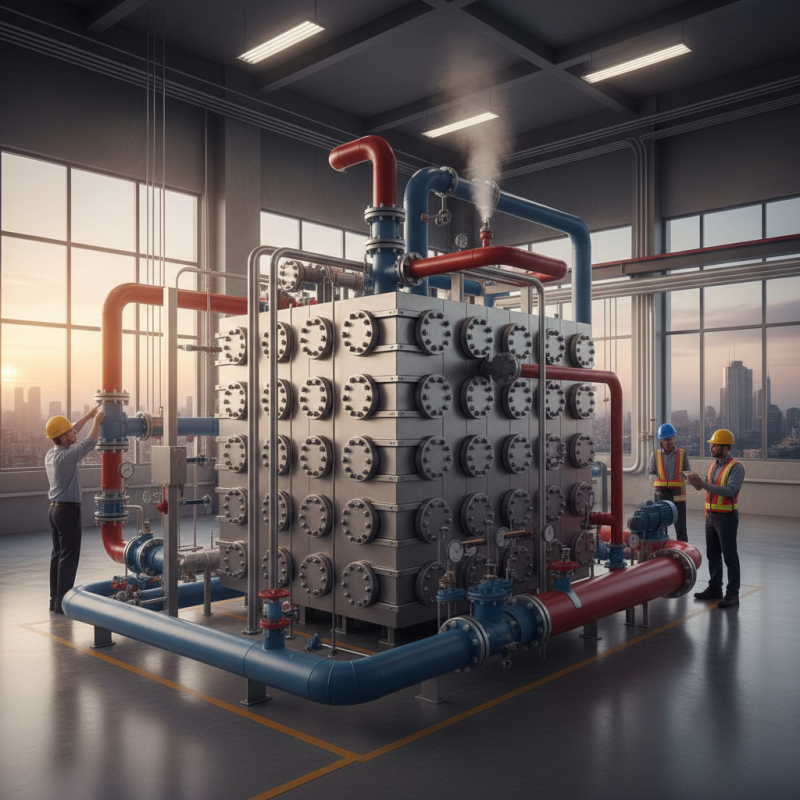
Heat exchangers play a vital role in industrial processes. They transfer heat between two or more fluids, often without mixing them. This makes them essential for energy efficiency and process reliability. For instance, they help cool down fluids, preventing overheating. In industries, maintaining optimal temperatures can affect product quality and safety.
In chemical manufacturing, heat exchangers maintain precise temperatures for reactions. Even minor fluctuations can lead to poor outcomes. They also recover waste heat from exhaust gases. This recovery minimizes energy waste. However, not all systems are perfect. Design flaws can lead to reduced efficiency. Regular maintenance is crucial to avoid failures and ensure longevity.
Choosing the right type of heat exchanger is not always straightforward. Different applications require different designs. Plate exchangers, for example, are great for compact spaces, but they might be less durable than shell-and-tube models. Assessing the specific needs of each process can be challenging. Every industry must evaluate performance and energy usage to enhance productivity.
Key Applications of Heat Exchangers in Various Industrial Processes
Heat exchangers play a crucial role in various industrial processes. They facilitate the transfer of heat between two or more fluids, making energy efficiency possible. In chemical manufacturing, heat exchangers help control reaction temperatures. This can maximize yields and minimize energy waste.
In the oil and gas industry, they are vital for refining processes. Here, they recover heat from steam, contributing to overall energy conservation. In power plants, heat exchangers help convert steam back into water, improving the efficiency of the system. Their presence boosts productivity in these sectors, but maintaining them can be challenging.
Tip: Regular maintenance is key. Inspecting for leaks or blockages can prevent costly downtimes. Operators need to consider the material compatibility to avoid corrosion over time. Also, employees should undergo training to recognize when a unit isn’t performing optimally.
When improperly managed, heat exchangers can lead to safety hazards. For instance, overheating may risk equipment failure or accidents. It's essential to monitor their performance continuously and adjust processes accordingly. Taking these precautions helps ensure smooth operations and prolongs the lifespan of heat exchangers.
Why is a Heat Exchanger Important in Industrial Processes?
| Application Area |
Type of Heat Exchanger |
Main Function |
Efficiency Benefits |
| Chemical Processing |
Shell and Tube |
Heat recovery and temperature control |
Reduces energy costs by maximizing heat recovery |
| Oil and Gas |
Plate |
Cooling and heating of fluids |
Improves operational safety and efficiency |
| Food and Beverage |
Double Pipe |
Pasteurization and product cooling |
Ensures product quality and taste while saving energy |
| Pharmaceuticals |
Air-Cooled |
Temperature control in production |
Enhances product stability and lowers energy consumption |
| Power Generation |
Fin-Tube |
Heat recovery from exhaust gases |
Increases overall system efficiency |
Benefits of Utilizing Heat Exchangers for Energy Efficiency
Heat exchangers play a vital role in industrial processes. They enhance energy efficiency by transferring heat from one fluid to another. This minimizes energy waste. For industries, reducing energy consumption is crucial. It leads to lower operational costs and improved sustainability.
Using heat exchangers effectively can significantly cut energy expenses. They recover waste heat from processes. This recovered energy can be reused, making operations more efficient. Imagine an industrial plant where heat is constantly produced. Without a heat exchanger, that waste heat would be lost. With it, that same heat warms incoming fluids, saving substantial energy.
However, not all heat exchangers perform equally. Some may require frequent maintenance, leading to downtime. Inadequate design can also result in inefficiency. It’s essential to evaluate the application and choose the right type. Regular assessments help in identifying areas for improvement. By doing so, industries can truly harness the benefits of heat exchangers while minimizing potential pitfalls.
Importance of Heat Exchangers in Industrial Processes
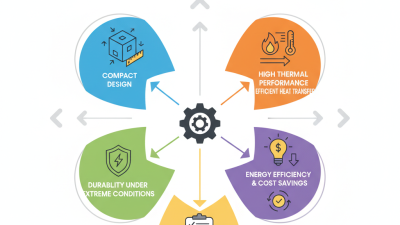
This chart illustrates the benefits of utilizing heat exchangers in various industrial processes, focusing on energy efficiency and cost savings. The data showcases the percentage reduction in energy consumption and operational costs across different sectors.
Common Types of Heat Exchangers Used in Industrial Settings
Heat exchangers play a vital role in industrial processes. They manage heat transfer between two or more fluids. In various industries, their efficiency affects production and energy use. Some common types of heat exchangers are crucial for different applications.
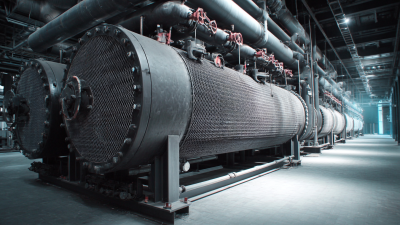
One popular type is the shell and tube heat exchanger. It consists of a series of tubes, one set carries the hot fluid and another the cold one. This design allows for efficient heat transfer. However, cleaning and maintenance can be a challenge. Fouling can occur inside the tubes, which reduces performance.
Another type is the plate heat exchanger. This design uses thin plates to maximize surface area for heat transfer. It is compact and efficient, making it suitable for tight spaces. Yet, these plates can be prone to leaks if not handled correctly. Understanding each type helps in selecting the right one for specific processes.
Maintenance and Operational Considerations for Effective Heat Exchanger Use
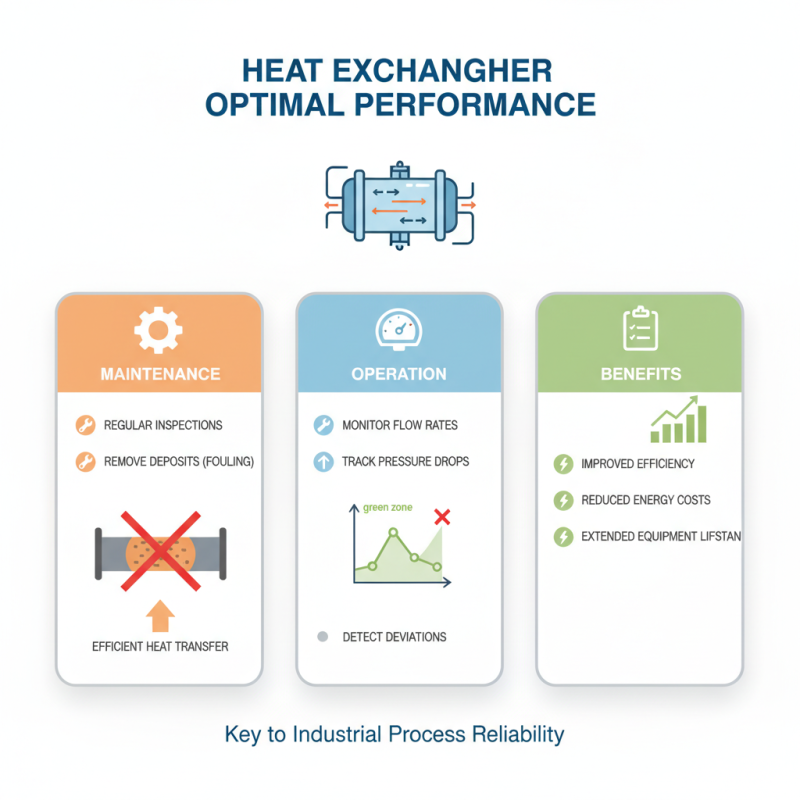
Heat exchangers play a crucial role in industrial processes. However, their effectiveness relies heavily on proper maintenance and operational consideration. Regular inspections are vital. Accumulated deposits can hinder performance. This can lead to inefficient heat transfer. Operators must monitor flow rates and pressure drops closely. Deviation from optimal conditions can signal a problem.
Cleaning protocols should include both chemical and mechanical methods. These methods can address different types of fouling. However, downtime for cleaning can disrupt production. Scheduling this maintenance is tricky. It's essential to strike a balance between efficiency and upkeep. Training staff on these processes is equally important. Knowledge gaps can lead to overlooked issues, impacting performance.
Moreover, operators must be vigilant about leaks. Even small leaks can lead to significant efficiency losses. Regular training can help teams recognize early warning signs. Poor maintenance practices can result in costly repairs. It's crucial to cultivate an environment of proactive care. Heat exchangers might seem robust, but they need attention. Without it, industrial processes can face unforeseen challenges.