2026 How to Choose the Right Heat Exchanger Parts for Your System?
Choosing the right Heat Exchanger Parts for your system is crucial. Proper selection impacts efficiency and performance. Heat exchangers play an essential role in various industries, from HVAC to petrochemical processes. Each component, whether it's the tubes or gaskets, significantly affects overall efficiency.
Selecting the right parts requires understanding the specific requirements of your system. Factors like temperature, pressure, and fluid type matter. It's not just about fitting parts; it's about optimizing the entire system. Conducting a thorough assessment can prevent costly mistakes and performance issues.
In this ever-evolving field, staying informed is vital. Experience and knowledge guide the selection process. However, even experienced professionals may overlook critical details. Reflecting on past choices can lead to better decision-making in future projects. Choose wisely, as the right Heat Exchanger Parts can elevate your system's performance.
Understanding Heat Exchangers: Types and Applications
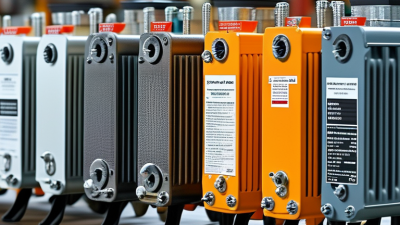
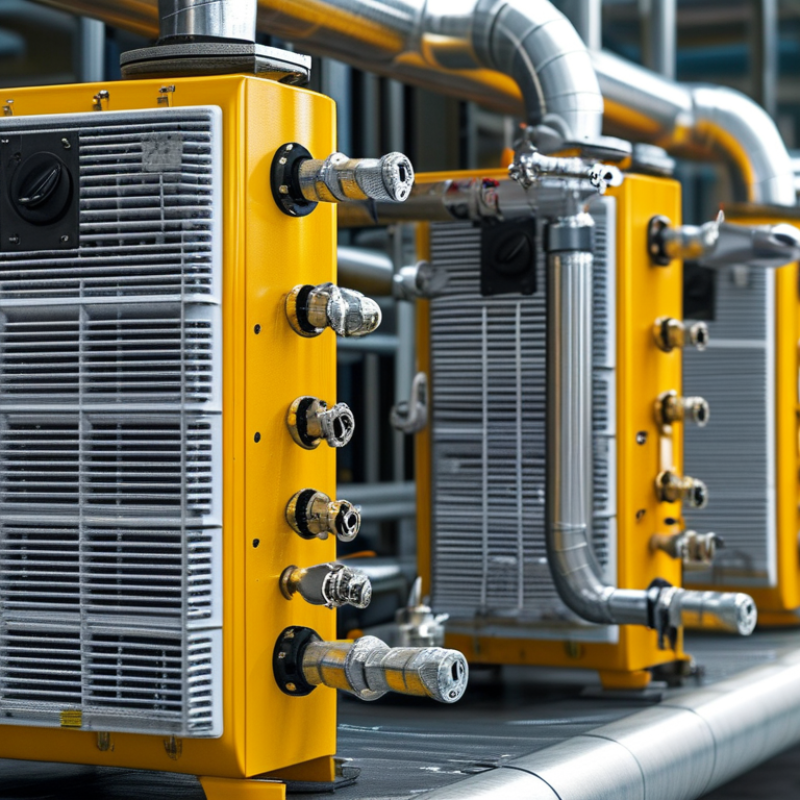
Heat exchangers play a crucial role in various industries, from HVAC to chemical processing. Understanding their types and applications can help you select the most effective components for your system. Common types include shell-and-tube, plate, and air-cooled heat exchangers. Each type serves specific purposes based on efficiency and fluid dynamics.
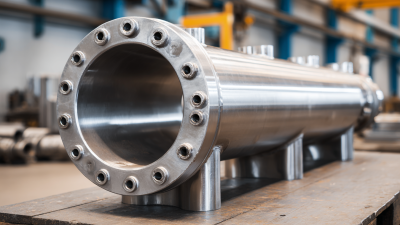
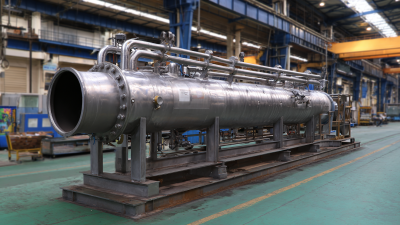
Shell-and-tube heat exchangers are often used in oil refineries and power plants. They offer robust designs suited for high-pressure applications. Plate heat exchangers, on the other hand, are more compact and efficient, making them ideal for food processing and pharmaceuticals. Air-cooled heat exchangers reduce water consumption significantly, benefiting industries located in arid regions.
When selecting parts, consider factors like temperature, pressure drop, and fouling potential. Analyze your operational needs carefully. Mistakes can occur if you overlook these details, leading to inefficiencies. A well-informed choice can enhance the longevity of your system. Understanding the nuances between heat exchanger types is essential for optimal performance. It requires a blend of technical knowledge and practical experience to make the right decision.
Key Considerations When Selecting Heat Exchanger Parts
When selecting heat exchanger parts, several key factors demand attention. Material selection is crucial; it influences durability and compatibility with fluids. Stainless steel, for example, offers excellent corrosion resistance. However, it may not be ideal for all applications. Sometimes, aluminum might be a better choice due to its lightweight nature.
Additionally, the design of the heat exchanger plays a vital role. Various designs—such as shell and tube or plate type—offer unique advantages. Each design has specific applications, so knowing your process requirements is essential. Space constraints or temperature fluctuations can impact which design you select.
Another aspect often overlooked is maintenance ease. Parts should allow for straightforward inspection and maintenance to prevent costly downtime. Consider how often the heat exchanger components will need to be serviced. Finally, validating the performance of parts through testing or feedback can provide insights. It’s easy to get caught up in the specifications but ensuring reliability is key.
Key Considerations When Selecting Heat Exchanger Parts
Material Selection for Heat Exchanger Components
When selecting materials for heat exchanger components, several factors come into play.
The operating environment is crucial. High temperatures and corrosive fluids require robust materials.
Stainless steel often fits these needs due to its excellent resistance to rust and heat.
However, it’s not always the best choice for every situation. Alternatives like titanium or plastic composites can offer different advantages.
Cost is another key consideration. While premium materials may provide durable performance, they can also inflate project budgets.
Balancing quality and affordability is essential. Lower-grade materials might save money upfront but could lead to
early failures and expensive repairs. Additionally, environmental concerns are becoming
increasingly relevant in material selection. More companies are looking at sustainability and recyclability of components.
It is vital to validate the selection through thorough testing. Simulations and real-world trials can highlight weaknesses in material choice.
Sometimes, certain materials may perform well in theory but fail when subjected to actual working conditions.
Periodic reviews of material performance under varying operational stresses can yield valuable insights.
Prioritizing reliability and long-term performance is more beneficial than merely chasing the lowest price.
Sizing and Performance Factors in Heat Exchanger Design
When selecting heat exchanger parts, understanding sizing and performance factors is crucial. Key aspects include flow rates, pressure drops, and temperature differences. Proper sizing ensures efficient heat transfer and minimizes operational costs. A study by the International Energy Agency indicates that optimized heat exchangers can improve system efficiency by up to 30%.
Tips: Always calculate the required duty for your system. This will determine the correct size and type of heat exchanger needed. Monitor your system's specific flow characteristics, as variations can directly impact performance.
Another factor is material selection. Corrosive environments or high temperatures may necessitate special materials. Industry reports show that the right material can enhance durability and service life. However, choosing a material too hastily can lead to costly replacements.
Tips: Check compatibility between materials and fluids. Conduct regular maintenance to identify corrosion early. Focus on performance metrics and adjust accordingly to maintain high efficiency.
2026 How to Choose the Right Heat Exchanger Parts for Your System? - Sizing and Performance Factors in Heat Exchanger Design
| Component |
Material |
Application |
Temperature Range (°C) |
Pressure Rating (bar) |
| Shell |
Carbon Steel |
Water to Water |
-10 to 150 |
10 |
| Tube |
Copper |
Oil to Water |
0 to 120 |
16 |
| Gasket |
EPDM |
Heat Recovery |
-30 to 120 |
6 |
| Fin |
Aluminum |
Air to Water |
-20 to 100 |
5 |
| End Plate |
Stainless Steel |
Chemical Process |
-50 to 200 |
20 |
Maintenance and Longevity: Choosing Durable Parts
When choosing parts for your heat exchanger system, durability is key. Durable parts can withstand high temperatures and harsh conditions. This reduces the need for frequent replacements. Selecting high-quality materials, such as stainless steel or titanium, enhances the longevity of your system. These materials are resistant to corrosion and fatigue. They ensure reliable operation over time.
Regular maintenance is crucial. Inspecting parts for wear and tear can prevent unexpected failures. Look for signs of corrosion or leaks. Regular cleaning can also extend the life of your heat exchanger. Pay attention to fluid flow. If you notice blockages, address them immediately. Neglecting these issues can result in costly downtime and repairs.
Consider the environment where your system operates. High-pressure systems require stronger components. Underestimating this can lead to premature failure. Seek advice from experts in the field. They can provide insights on the best practices for selecting and maintaining parts. It’s essential to invest time in choosing the right materials to ensure your system operates effectively and lasts longer.