Top Heat Exchanger HVAC Trends to Watch for in 2025
As we look towards the future of HVAC technology, the year 2025 promises to bring significant advancements in the realm of heat exchanger HVAC systems. These systems play a crucial role in enhancing energy efficiency and improving indoor air quality, making them a focal point in the quest for sustainable building practices. With rising energy costs and increasing environmental awareness, the evolution of heat exchanger technologies is more important than ever.
In this article, we will explore the top trends shaping the heat exchanger HVAC landscape. From innovative designs that maximize thermal performance to the integration of smart technologies for real-time monitoring and control, these trends are set to revolutionize how we approach heating, ventilation, and air conditioning. We will also discuss the growing emphasis on environmentally friendly refrigerants and the role of heat exchangers in facilitating renewable energy sources.
By understanding these upcoming trends, HVAC professionals can stay ahead of the curve and adapt their strategies to meet the changing demands of the market. The advancements in heat exchanger HVAC systems not only promise enhanced efficiency and comfort but also contribute to a sustainable future for the built environment.
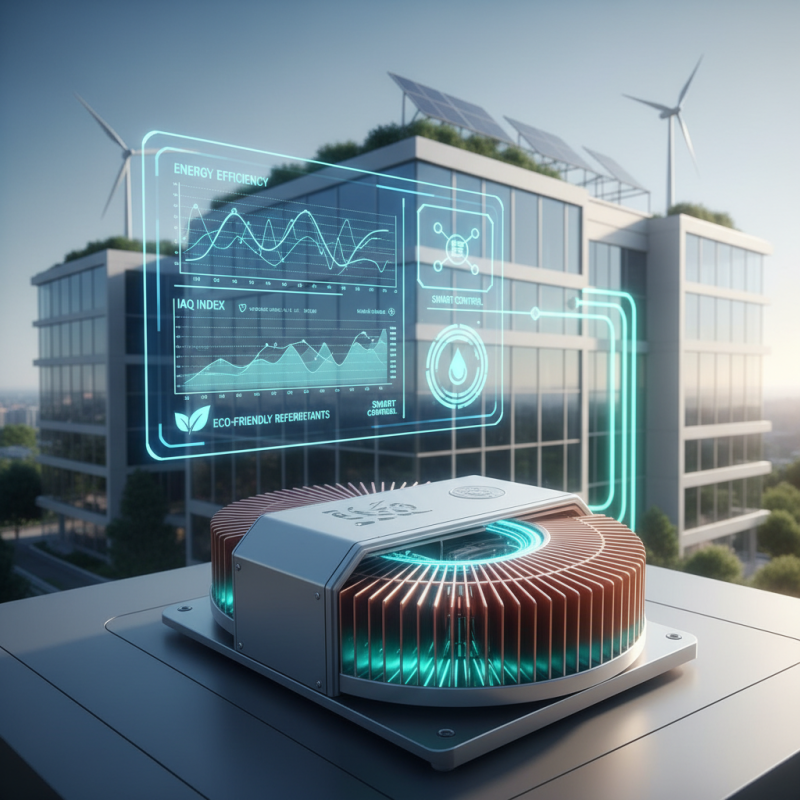
Emerging Technologies Transforming Heat Exchanger Efficiency
As the HVAC industry continues to evolve, the drive for enhanced efficiency in heat exchangers is becoming increasingly critical. Emerging technologies are at the forefront of this transformation, enabling the design and operation of heat exchangers that not only improve energy performance but also reduce environmental impact. Innovations in materials, such as advanced composites and nanostructured coatings, are minimizing thermal resistance, resulting in superior heat transfer rates. Additionally, new manufacturing techniques like 3D printing allow for the creation of complex geometries that optimize flow paths and enhance overall system performance.
Smart technology integration is another pivotal trend shaping the future of heat exchanger efficiency. The incorporation of IoT sensors and AI-driven analytics is revolutionizing how heat exchangers operate within HVAC systems. These technologies facilitate real-time monitoring and predictive maintenance, ensuring that systems run at peak performance while also identifying potential failures before they occur. Furthermore, adaptive control strategies enabled by machine learning can dynamically adjust system parameters based on fluctuating environmental conditions, further enhancing energy efficiency and longevity. As we move towards 2025, these advancements will be key in driving the industry's commitment to sustainability and operational excellence.
Top Heat Exchanger HVAC Trends to Watch for in 2025
This chart illustrates the expected efficiency improvements in heat exchangers due to emerging technologies. The data shows the projected percentage increase in efficiency from 2023 to 2025 for various HVAC technologies.
Integration of Smart Controls in HVAC Systems
The integration of smart controls in HVAC systems is set to revolutionize the way we manage heating and cooling in our built environments. As we move toward 2025, the adoption of advanced technologies such as IoT devices and AI algorithms will enable systems to operate with greater efficiency and adaptability. Smart controls allow for real-time data collection and analysis, enabling HVAC systems to adjust dynamically to changes in occupancy, weather conditions, and energy prices. This level of responsiveness not only enhances comfort for building occupants but also contributes to significant energy savings, aligning with global sustainability goals.
Furthermore, the interconnectivity of smart controls facilitates the integration of HVAC systems with other building management systems, resulting in a holistic approach to energy management. Through centralized dashboards, facility managers can monitor and control various subsystems more effectively, optimizing performance and ensuring proactive maintenance. This interconnected ecosystem empowers users to make informed decisions, such as when to operate systems at optimal efficiency, improving both resource management and overall operational costs. As smart technology continues to evolve, its application in HVAC will play a critical role in shaping the future of energy consumption and sustainability in the built environment.
Sustainability Trends in Heat Exchanger Design and Materials
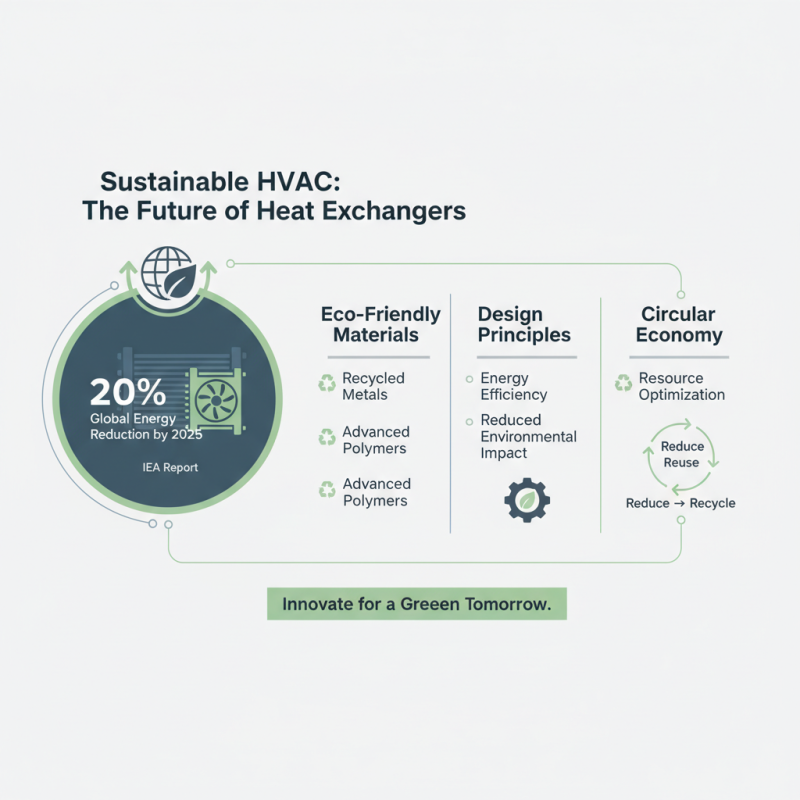
As the HVAC industry evolves, sustainability remains at the forefront of heat exchanger design and materials. According to a recent report by the International Energy Agency, energy-efficient systems could contribute to a 20% reduction in global energy consumption by 2025. This statistic highlights the urgent need for innovation in heat exchanger technologies that minimize environmental impact while maximizing performance. Manufacturers are increasingly exploring eco-friendly materials such as recycled metals and advanced polymers that not only enhance efficiency but also align with circular economy principles.
In addition to material innovation, there is a growing trend toward integrating smart technology within heat exchangers. The adoption of IoT sensors enables real-time monitoring and optimization of energy use, thus reducing waste and improving overall system efficiency. A study from the American Society of Heating, Refrigerating and Air-Conditioning Engineers (ASHRAE) projects that smart HVAC systems could lower energy expenses by up to 30% in commercial buildings by 2025.
Tips: Consider investing in heat exchangers made from sustainable materials, as they can significantly reduce your carbon footprint. Additionally, staying informed about smart technology developments can help you make better decisions for energy savings. Lastly, collaborating with suppliers who prioritize sustainability can further enhance your facility's environmental responsibility.
Predicted Impact of Regulations on Heat Exchanger Performance
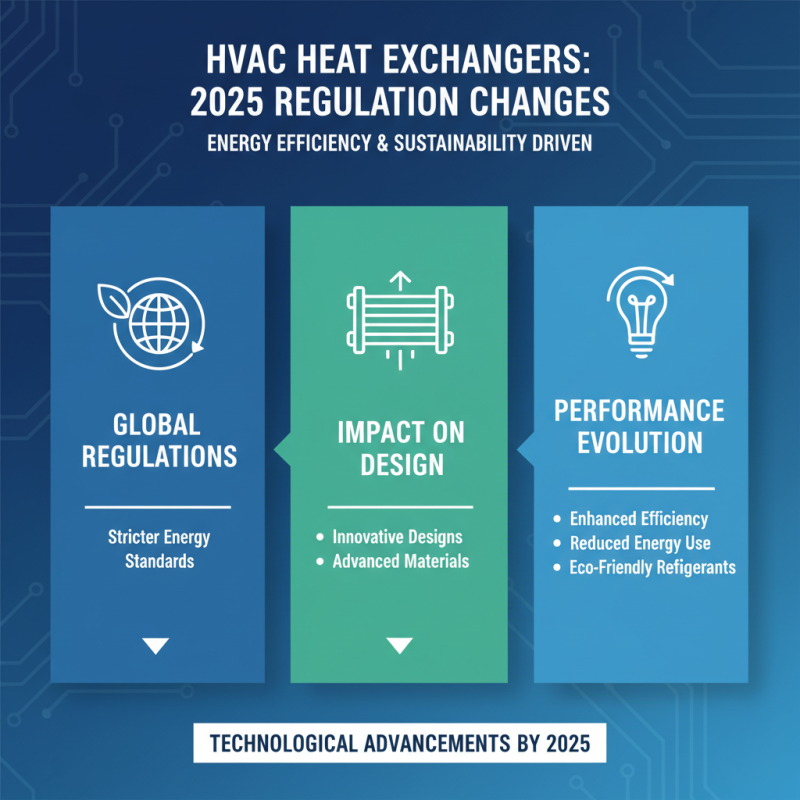
The evolving landscape of HVAC regulations is poised to significantly impact heat exchanger performance by 2025. Regulatory bodies worldwide are increasingly prioritizing energy efficiency and environmental sustainability in their guidelines. As a result, heat exchangers will be compelled to adopt innovative designs and materials that enhance performance while reducing energy consumption. Manufacturers will face pressure to create systems that meet stricter efficiency standards, thus driving technological advancements, including improved thermodynamic processes and the utilization of eco-friendly refrigerants.
Moreover, the emphasis on reducing carbon footprints will likely lead to the integration of smart technologies in heat exchangers. Regulations may mandate the use of advanced sensors and automated controls to optimize operation based on real-time data. This shift will not only improve energy efficiency but also allow for more precise regulation of temperature and airflow, further enhancing indoor climate comfort. The intersection of regulatory demands and technological innovation promises to redefine the operational capabilities of heat exchangers, positioning them as pivotal components in the quest for sustainable HVAC solutions by 2025.
The Role of IoT in Monitoring Heat Exchanger Operations
The integration of the Internet of Things (IoT) in heat exchanger operations is expected to revolutionize how HVAC systems are monitored and maintained. According to a recent report by MarketsandMarkets, the global IoT in HVAC market is projected to reach USD 15.7 billion by 2025, highlighting a significant shift towards enhanced connectivity and data-driven decision-making. With IoT devices enabling real-time monitoring of system performance, operators can gain insights into temperature fluctuations, fluid dynamics, and energy consumption. This data not only helps in optimizing operational efficiency but also significantly reduces downtime through predictive maintenance strategies.
As the industry trends towards smart technology, maintaining the integrity and performance of heat exchangers requires a proactive approach. Here are a few tips for leveraging IoT effectively:
-
First: Invest in advanced sensors that can track multiple parameters, such as pressure and flow rates, to provide a comprehensive overview of system health.
-
Second: Ensure that your IoT system is equipped with robust cybersecurity measures, as increased connectivity can introduce vulnerabilities.
-
Lastly: Consider utilizing data analytics tools to interpret the vast amount of data collected, allowing for smarter decisions based on predictive insights.
Adopting this IoT-centric approach will not only enhance the reliability of heat exchangers but also align with the broader trend of energy efficiency and sustainability in the HVAC sector. As the landscape evolves, staying informed about the latest technological advancements will be crucial for industry stakeholders looking to maintain a competitive edge in 2025 and beyond.