How to Choose the Right PHE Heat Exchanger for Your Needs?
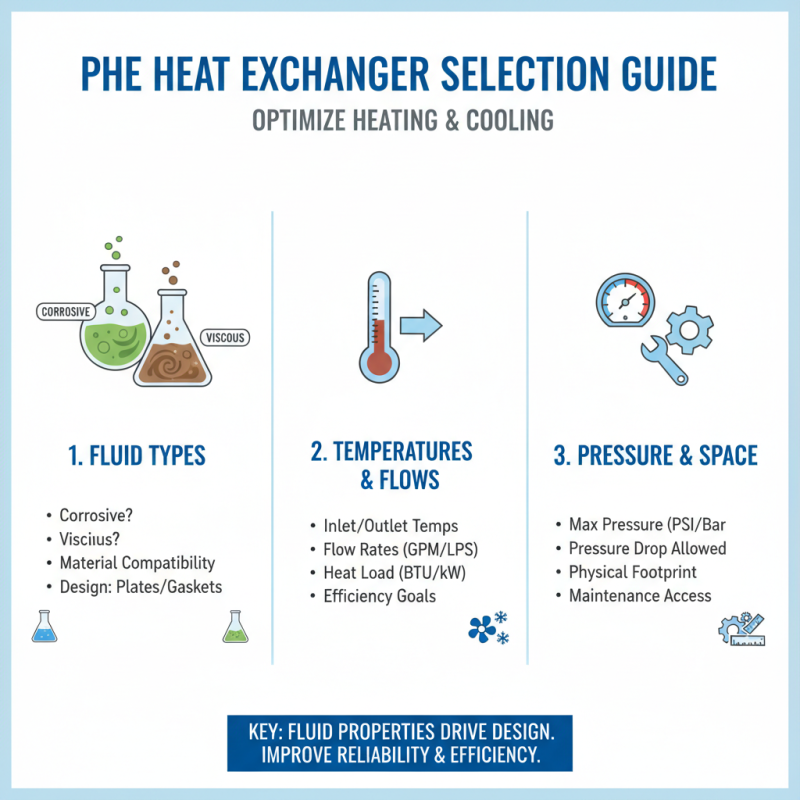
When it comes to industrial processes, choosing the right PHE heat exchanger is crucial. These devices play a key role in transferring heat efficiently. A PHE heat exchanger can impact overall system performance significantly. Different applications demand varying designs and materials. Understanding your specific needs is essential.
The selection process can often feel overwhelming. You may find too many options available on the market. Factors such as size, capacity, and compatibility are critical. If not carefully considered, you might end up with a unit that doesn't fit well. Each application has its quirks, requiring a tailored approach.
It’s also important to reflect on maintenance needs. A poorly chosen PHE heat exchanger may lead to frequent breakdowns. Trusting initial instincts can sometimes mislead your choices. A methodical evaluation can guide you to the right decision. After all, the right heat exchanger can enhance efficiency, while the wrong one may become a costly burden.
Understanding the Basics of PHE Heat Exchangers
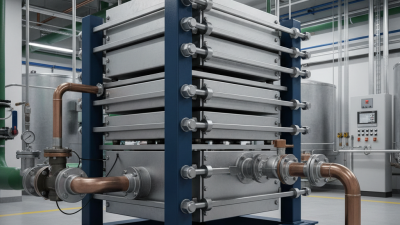
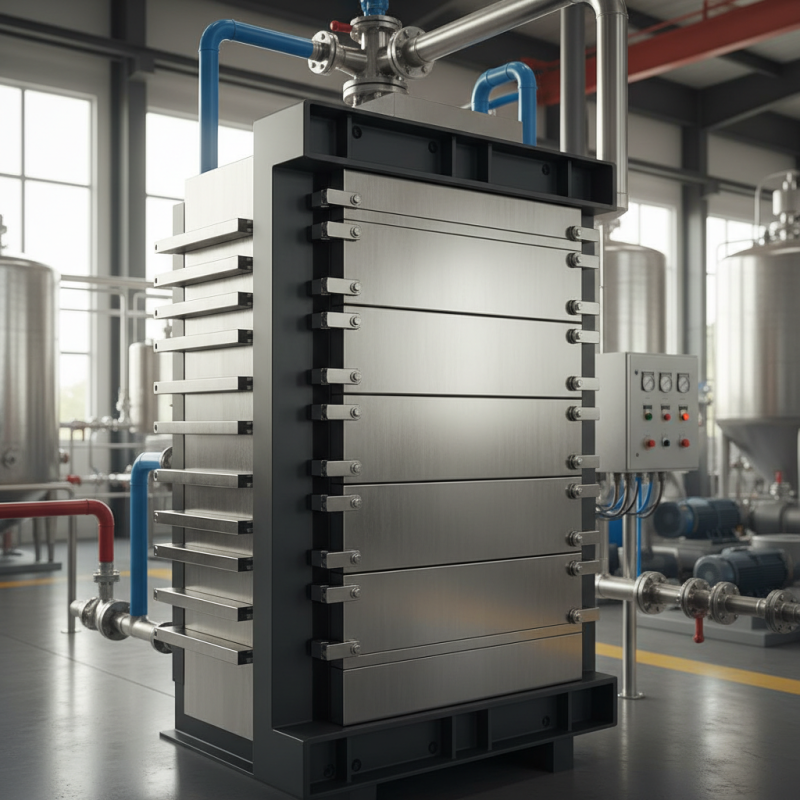
PHE heat exchangers, or plate heat exchangers, are vital in various industries. They transfer heat between two fluids effectively. Understanding their operation helps in selecting the right one for your needs.
Keep in mind that PHE heat exchangers are compact. This space-saving design allows easy installation in tight areas. However, consider the material used. Stainless steel and titanium are common choices. They may affect durability and performance based on your application.
Tips: Check the fluid properties before making a choice. Viscosity, temperature, and chemical compatibility are crucial. Ignoring these factors can lead to inefficiencies. Also, evaluate the maintenance requirements. Complex systems can lead to higher costs and time commitments. A simple design might save you trouble in the long run.
Evaluating Material Compatibility for Efficiency and Longevity
Choosing the right PHE (plate heat exchanger) requires careful consideration of material compatibility. Materials affect both efficiency and longevity. For example, stainless steel offers great durability but may not always suit every fluid. Corrosive fluids can degrade certain metals quickly. Evaluating material choice is critical to prevent costly repairs.
**Tip:** Always check the fluid's chemical properties. Some materials resist corrosion better than others. This small detail can save you time and money.
When selecting a PHE, consider temperature ranges too. Some materials perform poorly under extreme temperatures. For instance, rubber gaskets may warp in high heat. Understanding operating conditions enhances reliability. Be cautious about neglecting these factors; doing so could lead to failure.
**Tip:** Consult with a materials expert. Their insights can guide you to a compatible solution. It's easy to overlook minor details, but they matter. A seemingly small error can compromise efficiency and equipment lifespan.
How to Choose the Right PHE Heat Exchanger for Your Needs? - Evaluating Material Compatibility for Efficiency and Longevity
| Material |
Corrosion Resistance |
Thermal Conductivity (W/m·K) |
Operating Temperature Range (°C) |
Cost Estimate ($/kg) |
| Stainless Steel |
High |
16-20 |
-200 to 400 |
2.5 - 5.0 |
| Titanium |
Very High |
15-20 |
-200 to 600 |
15 - 30 |
| Carbon Steel |
Medium |
45-55 |
-30 to 370 |
0.5 - 2.0 |
| Copper |
Low |
390-400 |
-200 to 200 |
6 - 8 |
| Nickel |
High |
90-100 |
-200 to 930 |
10 - 20 |
Assessing Size and Configuration Options for Optimal Performance
When selecting a PHE heat exchanger, understanding size and configuration is crucial. The dimensions directly affect performance and efficiency. A larger unit may have better heat transfer, but it also takes up more space. Assess your available area carefully. Think about clearance and maintenance access. Is there enough room for installation?
Configuration options also matter. Plate type, for instance, influences flow direction and turbulence. This can enhance heat transfer or create unnecessary pressure drop. Pay attention to the fluid types and their properties. Some fluids require different configurations to optimize performance. Don’t overlook the possibility of fouling, which could reduce efficiency.
Consider engaging with experienced professionals if you're unsure. Sometimes, consulting an expert can bridge knowledge gaps. It’s important to reflect on your system’s specific needs. Take the time to analyze factors like flow rates and temperature differences. This can prevent mistakes during selection. Aim for a balance between size and functionality.
Heat Exchanger Size and Configuration Assessment
Analyzing Maintenance and Operational Considerations for Reliability
When selecting a plate heat exchanger (PHE), maintenance and operational reliability are crucial. A well-designed PHE can enhance efficiency, but if neglected, it can lead to equipment failure. Regular inspections help identify wear and potential leaks. For instance, check gaskets for signs of degradation. This can prevent costly downtime in production.
Operational considerations also play a significant role. Choosing the right flow rates is essential. Inappropriate rates can cause unwanted turbulence, leading to increased wear. You may want to analyze the media being used. The presence of corrosive substances can impact longevity. Understanding the environment in which the PHE operates is vital.
A key challenge is balancing performance and maintenance. Some systems may perform excellently but require frequent upkeep. This might not be practical for all setups. Often, a trade-off exists between efficiency and service needs. Make sure to weigh these factors carefully to ensure lasting reliability in your operations.