Top 5 Tips for Choosing the Right Industrial Heat Exchanger?
Selecting the right industrial heat exchanger is crucial for operational efficiency. According to Dr. Emily Tran, a leading expert in thermal dynamics, “Choosing the right heat exchanger can significantly impact productivity and cost.” Her insights reflect a common challenge in many industries.
When choosing an industrial heat exchanger, one must consider various factors. Size, material, and design are vital for optimal performance. A well-suited heat exchanger maximizes heat transfer and minimizes energy costs. However, many companies struggle with balancing these elements effectively.
Flexibility in design can lead to challenges, especially when faced with unique operational needs. Each application is different. Misjudging requirements often results in costly inefficiencies. Investing time in understanding your specific needs can prevent future issues. Thus, making informed decisions is essential for long-term success in any industrial setup.
Understanding the Basics of Industrial Heat Exchangers
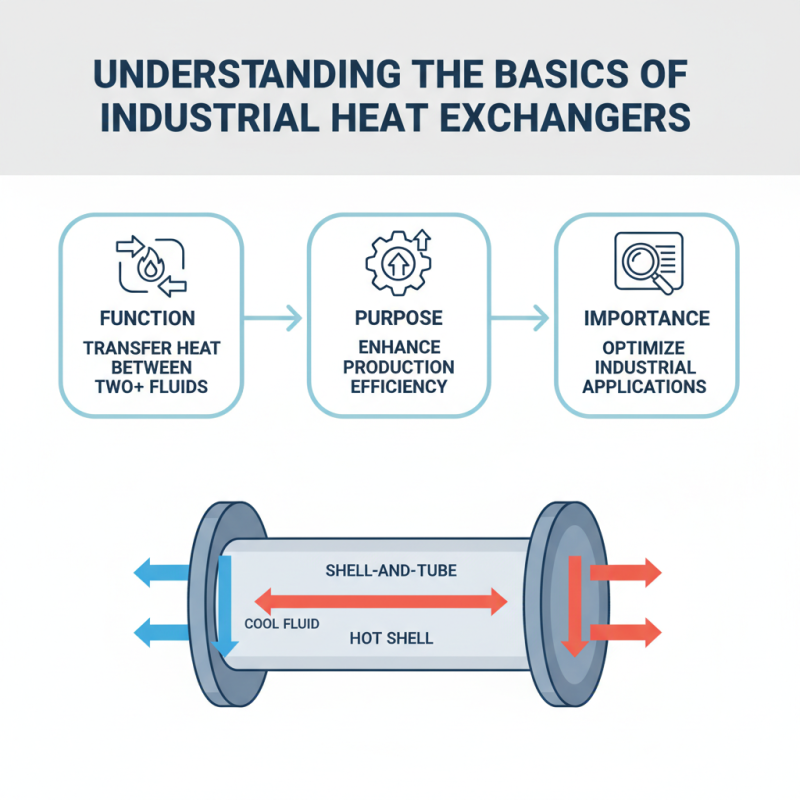
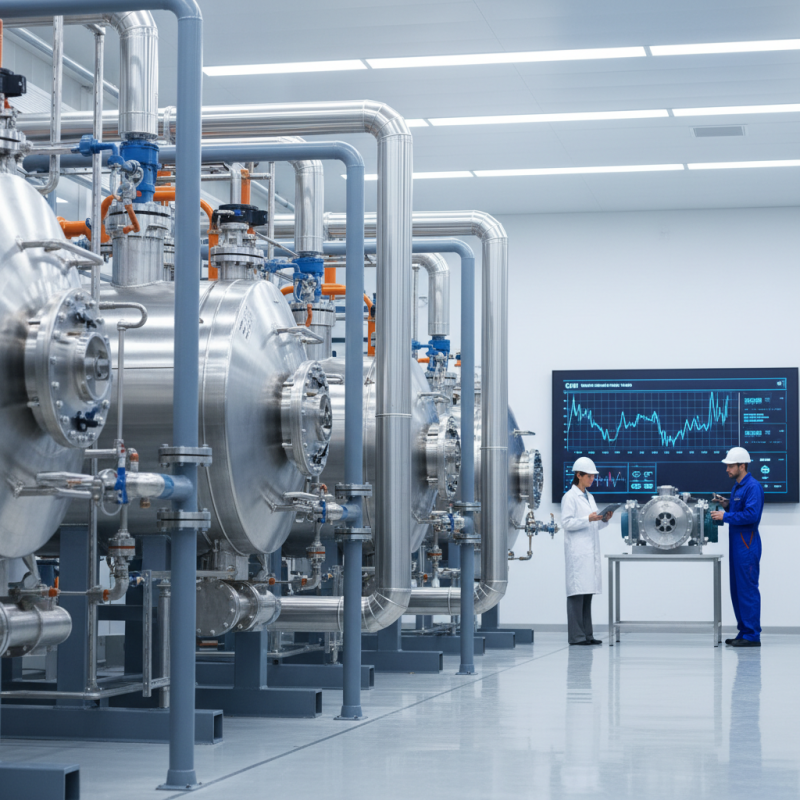
Industrial heat exchangers play a vital role in various processes. They transfer heat between two or more fluids, enhancing efficiency in production. Understanding how they operate is essential for optimizing industrial applications.
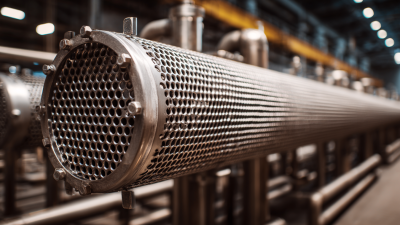
Choosing the right heat exchanger requires knowledge of its working principles. Tube and shell types are common. Their designs vary, affecting fluid flow and heat transfer rates. For instance, counterflow exchangers offer better performance than parallel flow designs. Yet, they can be more complex to maintain.
Material selection is another critical factor. Stainless steel is often preferred for its durability. However, cost constraints may lead to the use of less expensive materials. This choice can compromise performance over time. Evaluating lifespan and maintenance needs will ensure reliability. Balancing these factors is crucial for effective heat transfer solutions.
Evaluating Heat Transfer Efficiency and Performance Requirements
When evaluating heat transfer efficiency, the surface area of an industrial heat exchanger is crucial. A larger surface area generally enhances heat transfer, leading to better performance. However, a bigger size can also lead to higher costs. Balance is key.
Consider the type of heat exchanger. Shell and tube designs are common. They are versatile and effective for many applications. But they may not fit all industries. Selecting the wrong type could lead to inefficiencies.
Keep maintenance needs in mind. Regular upkeep is essential for optimal performance. A poorly maintained exchanger can lose efficiency over time. This can result in unexpected downtimes and increased operational costs.
Tip: Look for models that allow easy access for cleaning. Easy maintenance can prevent issues down the line. Evaluate the operating pressure and temperature requirements. Ensure the chosen exchanger meets these needs for effective functionality.
Material Selection: Ensuring Durability and Compatibility
Material selection is critical when choosing the right industrial heat exchanger. The materials must ensure durability and compatibility with the fluids being processed. For instance, stainless steel is often favored for its corrosion resistance. A report by the American Society of Mechanical Engineers (ASME) indicates that more than 60% of heat exchangers use stainless steel. This material can withstand high temperatures and pressures, making it a reliable choice for various applications.
However, not all stainless steel grades are equal. Factors such as the fluid environment and temperature range play significant roles in material selection. For example, 316L stainless steel is excellent for marine environments due to its resistance to pitting and crevice corrosion. On the other hand, carbon steel could be a cost-effective option for less corrosive environments. Utilizing the wrong material can lead to significant failures, including leaks or ruptures.
Compatibility between materials and fluids is also crucial. A recent industry report highlighted that improper material choices lead to 30% of heat exchanger failures. This emphasizes the need for thorough material compatibility assessments. Regular maintenance and inspections are recommended to ensure that the materials remain intact over time. They can help identify wear or degradation before it causes larger issues. Therefore, selecting the right materials is not just a choice—it's a necessity for operational reliability.
Top 5 Tips for Choosing the Right Industrial Heat Exchanger
| Tip |
Description |
Material Options |
| 1. Assess Operating Conditions |
Evaluate temperatures, pressures, and fluid properties to determine suitable materials. |
Stainless Steel, Copper, Titanium |
| 2. Consider Corrosion Resistance |
Choose materials that withstand the corrosive nature of the fluids. |
Hastelloy, Duplex Stainless Steel |
| 3. Evaluate Thermal Conductivity |
Select materials that efficiently transfer heat for optimal performance. |
Copper, Aluminum |
| 4. Ensure Mechanical Strength |
Identify materials that can withstand mechanical strains and pressures. |
Steel Alloys, Nickel Alloys |
| 5. Evaluate Cost-Effectiveness |
Balance material costs with performance requirements and longevity. |
Carbon Steel, PVC |
Analyzing Cost-Effectiveness and Maintenance Needs
When selecting the right industrial heat exchanger, cost-effectiveness and maintenance needs play crucial roles. Assessing long-term operational costs can save money later. Initial investment is important, but ongoing expenses matter more. Maintenance should be straightforward to minimize downtime and disruptions. Routine checks and parts replacement should be manageable.
One tip is to choose designs with easy access for maintenance tasks. Heat exchangers that require excessive disassembly can lead to higher labor costs. Another tip is to consider the materials used. Corrosion-resistant materials may have a higher upfront cost but can extend the lifespan significantly. This means fewer replacements over time.
It’s also important to analyze energy efficiency. A more efficient system can translate to lower utility costs. Operational efficiency should not be overlooked. Factor in not just the equipment price but also the energy costs over its lifespan. Small improvements can result in substantial savings. Don’t ignore user feedback to understand common issues. It helps to have insights into potential maintenance challenges.
Considering Application-Specific Design Features and Standards
When selecting an industrial heat exchanger, application-specific design features are crucial. Understanding the unique thermal and flow requirements of your process will guide your choice. Factors like fluid type, temperature ranges, and pressure levels should be considered. Each application demands a tailored solution.
Standards play a critical role in the design process. Familiarize yourself with industry standards related to performance, safety, and material compatibility. Adhering to these standards ensures reliability and efficiency. It helps in minimizing risks associated with equipment failure. However, balancing strict compliance with practical limitations can be challenging.
Evaluate the operational environment too. Is it corrosive, or are there potential fouling issues? These details influence material selection and overall design. The right heat exchanger should withstand the specific challenges of its environment. A misstep could lead to increased maintenance costs or even unscheduled downtimes. Always review your choices critically, and reconsider if the selected design meets all operational expectations.
Top 5 Factors to Consider When Choosing an Industrial Heat Exchanger