How to Choose the Right Heat Exchanger for HVAC Systems?
Selecting the right heat exchanger for HVAC systems is crucial for energy efficiency and cost-effectiveness. A report by the U.S. Energy Information Administration highlighted that HVAC systems account for approximately 40% of energy consumption in commercial buildings. Understanding the role of a heat exchanger HVAC is vital in optimizing energy use.
Different types of heat exchangers, such as plate and shell-and-tube models, offer varying efficiencies. This diversity can make the choice complex. Misalignment with system requirements can lead to inefficiencies and added costs. For instance, selecting the wrong type may reduce overall system performance significantly.
When choosing a heat exchanger for HVAC, consider factors like thermal load, space constraints, and fluid types. It is essential to evaluate each aspect thoughtfully. Even minor oversights in assessment can lead to major operational challenges. Proper selection impacts both environmental sustainability and economic savings, making it a topic worthy of in-depth research.
Understanding the Role of Heat Exchangers in HVAC Systems
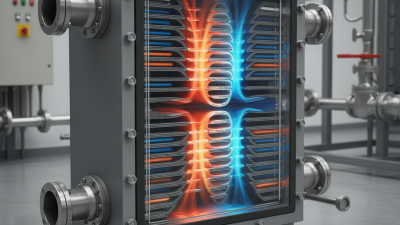
Heat exchangers play a crucial role in HVAC systems. They transfer heat between two fluids without mixing them. This process improves energy efficiency and comfort in residential and commercial spaces. By regulating temperature, heat exchangers help reduce energy consumption and operational costs.
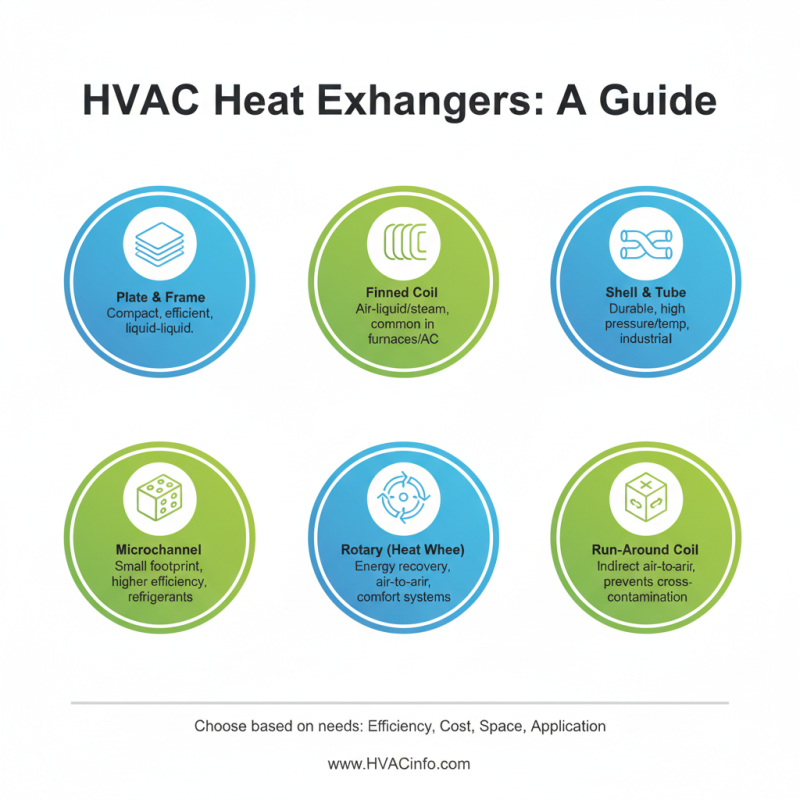
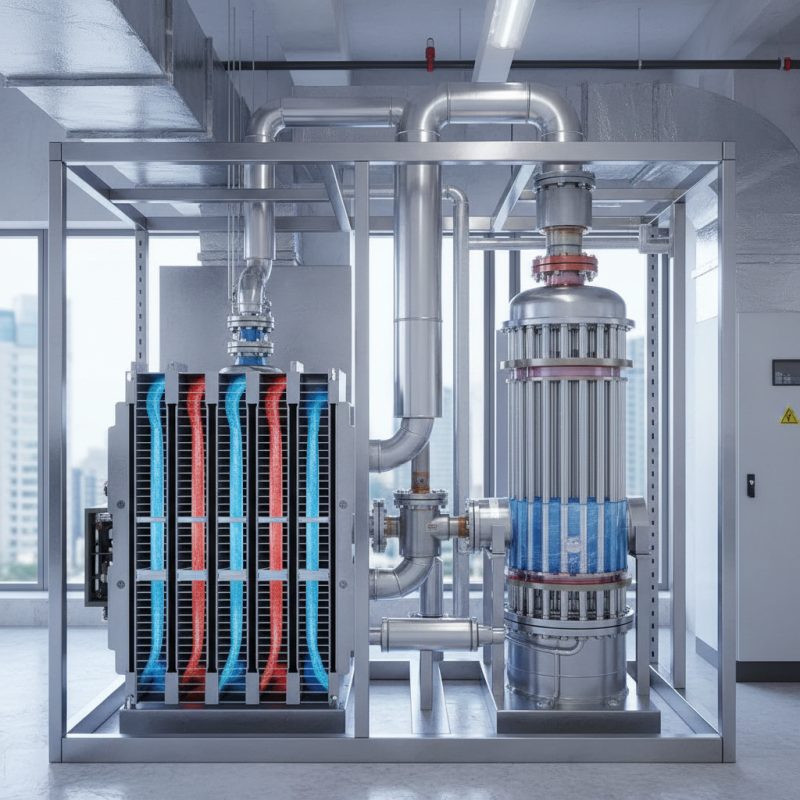
When choosing a heat exchanger, consider the system type. Plate heat exchangers are compact and effective for low-flow applications. Shell-and-tube exchangers, on the other hand, are better for high-capacity needs. The material is also important. Corrosion-resistant materials extend the lifespan of the unit.
Tips: Check the airflow and fluid velocity. Incorrect levels can lead to inefficiencies. Always assess the heating and cooling load of your space. This helps in selecting the right unit size. Keep in mind that proper installation is essential. A poor setup may compromise performance, leading to maintenance issues down the line.
Reflect on your specific needs. The most expensive model is not always the best choice. Balancing cost, efficiency, and application is vital. Take your time in the decision-making process.
Key Factors to Consider When Selecting a Heat Exchanger
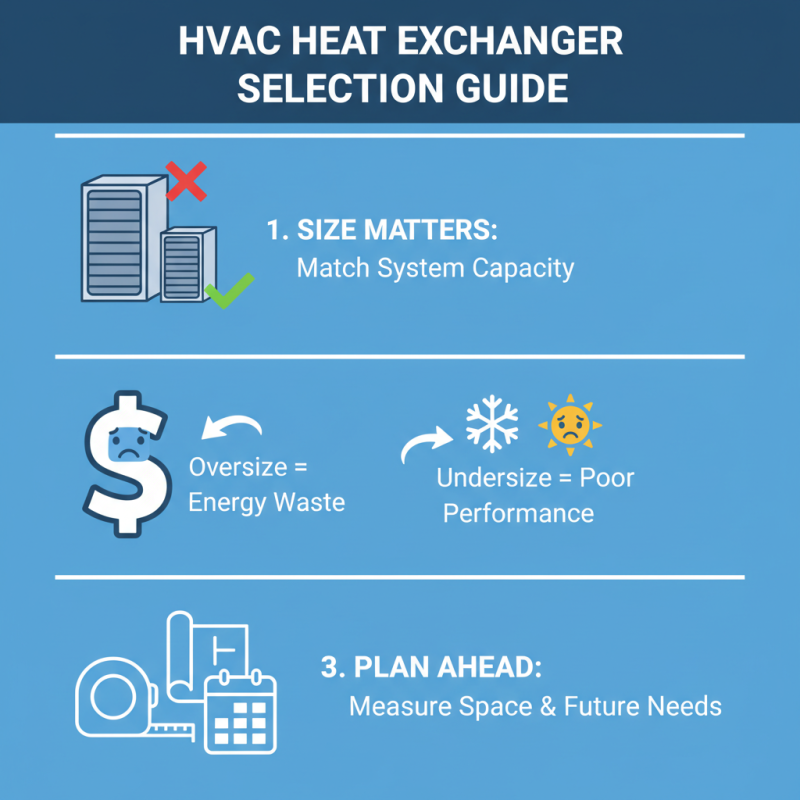
When selecting a heat exchanger for HVAC systems, several key factors come into play. The size of the heat exchanger should align with the system's capacity. An oversized unit can lead to energy inefficiency. Conversely, an undersized unit may struggle to meet heating or cooling demands. Measure the space accurately and consider future needs, too.
Materials matter significantly. Corrosion resistance is vital, especially in humid or aggressive environments. Stainless steel and copper are popular due to their durability. However, they can also be more expensive. Evaluate the trade-offs between cost and longevity.
Design type is another consideration. Shell and tube, plate, or air-to-air designs each serve distinct purposes. The application determines the best choice. For example, plate heat exchangers are compact and efficient but may lack the robustness of shell and tube options. Analyzing your specific needs and conditions is crucial. A mismatch here can lead to inefficiency and increased operational costs. Addressing these questions early can prevent future headaches.
Efficiency and Performance Metrics for Heat Exchangers
Choosing the right heat exchanger for HVAC systems is crucial to achieve optimal efficiency. Performance metrics play a significant role in this selection process. These metrics include heat transfer efficiency, pressure drop, and durability. High heat transfer efficiency ensures that more energy is transferred, which can lead to cost savings. However, achieving this efficiency often means balancing between compact designs and larger surface areas.
Pressure drop is another critical factor. A high pressure drop can increase operating costs and reduce system efficiency. Understanding the trade-offs is vital. If a system requires high flow rates, selecting a heat exchanger with a low pressure drop is essential. Yet, this might compromise heat transfer efficiency. There are often no perfect choices, and stakeholders must weigh these factors carefully.
Durability is equally significant. A heat exchanger needs to withstand various operating conditions. Factors like fluid type and temperature can affect longevity. Regular maintenance checks are necessary to ensure ongoing performance. Ignoring these can lead to unexpected failures. Reflecting on these aspects will guide decisions in choosing the right heat exchanger for specific HVAC needs.
Heat Exchanger Efficiency Metrics
This chart illustrates the efficiency metrics of various types of heat exchangers commonly used in HVAC systems. Higher percentages indicate better efficiency, which is crucial for optimizing performance in heating, ventilation, and air conditioning applications.
Installation and Maintenance Tips for Optimal Operation
In HVAC systems, proper installation of heat exchangers is critical. Align the unit correctly to ensure a snug fit. Misalignment can lead to energy loss and decreased efficiency. Use level tools to double-check the positioning. Secure all connections tightly to avoid leaks. A tight seal helps maintain optimal temperatures.
Regular maintenance is essential for longevity. Clean the heat exchanger regularly to prevent debris buildup. Even small blockages can reduce performance. Monitor the pressure levels consistently. Unusual readings might indicate underlying issues. Inspect for rust or corrosion, as these could lead to significant failures. Early detection can save costs down the line.
It's easy to overlook smaller details during installation. A careless mistake could lead to bigger problems later. It's worth revisiting the steps taken during setup. Reflecting on these actions ensures that adjustments can be made if needed. Consider scheduling routine checks to ensure everything operates smoothly. A proactive approach can significantly improve overall efficiency.