How to Choose the Right Marine Heat Exchanger for Your Vessel?
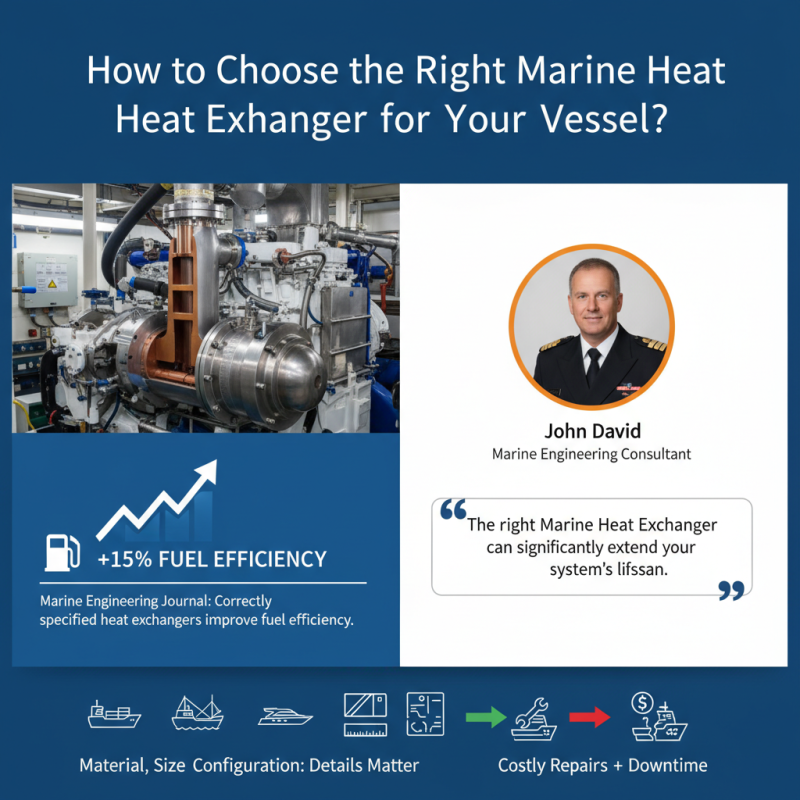
Choosing the right Marine Heat Exchanger for your vessel is crucial for operational efficiency. According to a recent report by the Marine Engineering Journal, vessels using correctly specified heat exchangers can improve overall fuel efficiency by up to 15%. This figure highlights the importance of selecting the appropriate type for your specific needs.
Expert John David, a marine engineering consultant, states, "The right Marine Heat Exchanger can significantly extend your system's lifespan." His experience in the field emphasizes the critical role these components play in maritime operations.
It is easy to overlook specific requirements. Each vessel has unique cooling needs. From material selection to size and configuration, the details matter. A well-chosen Marine Heat Exchanger contributes to smoother journeys, while a poor choice can lead to costly repairs and downtime. Proper understanding of these elements can enhance vessel reliability and performance.
Understanding the Basics of Marine Heat Exchangers
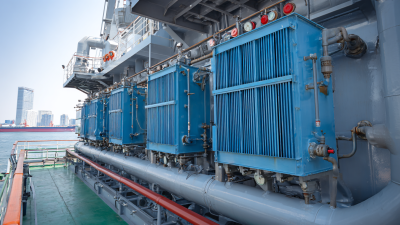
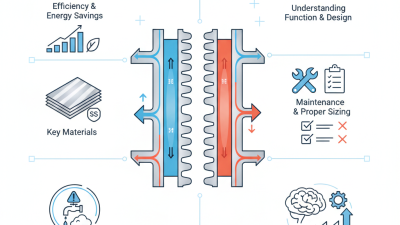
Marine heat exchangers play a crucial role in vessel operation. They facilitate efficient heat transfer between two fluids, typically seawater and engine coolant. This process is essential for maintaining optimal engine temperatures. According to a report by the International Maritime Organization, over 60% of vessel downtime is linked to cooling system failures. Proper selection of a heat exchanger can mitigate these issues significantly.
The design and material of a marine heat exchanger are paramount. Corrosion resistance and thermal efficiency are key factors. Stainless steel and titanium are popular materials due to their longevity. Research indicates that vessels using high-quality heat exchangers reduce maintenance costs by up to 30%. However, many vessel operators overlook the importance of proper sizing. An undersized unit can lead to overheating and costly repairs.
It’s essential to consider the specific conditions of the operating environment when selecting a heat exchanger. Factors like water salinity, temperature variations, and expected load can affect performance. Ignoring these variables may result in suboptimal heat transfer. Operators should constantly evaluate their systems to ensure they are achieving peak performance. Regular maintenance checks can prevent unforeseen failures and extend the life of the heat exchanger.
Types of Marine Heat Exchangers Suitable for Different Vessels
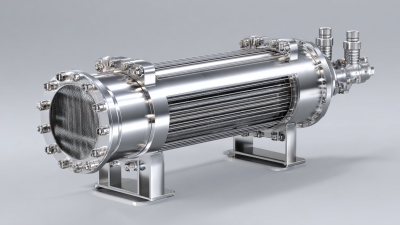
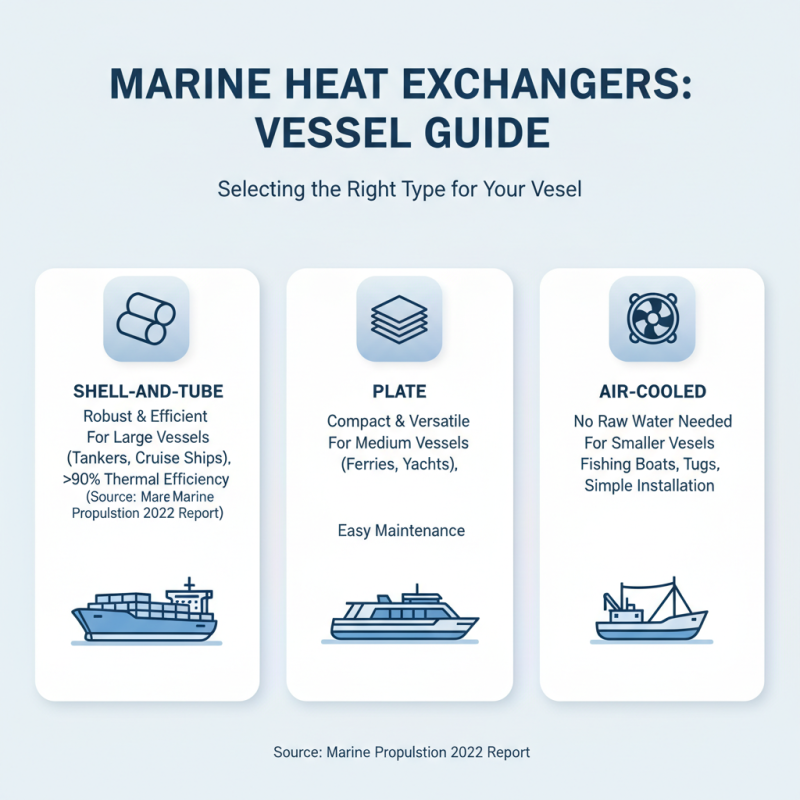
When selecting a marine heat exchanger, it's vital to understand the types suited for different vessels. The most common types include shell-and-tube, plate, and air-cooled heat exchangers. Shell-and-tube types are robust and efficient, often found in larger vessels. According to the Marine Propulsion report from 2022, these can achieve thermal efficiencies exceeding 90%.
Plate heat exchangers are lightweight and compact, making them ideal for smaller vessels or those with limited space. They offer quick heat transfer and ease of maintenance. Recent studies suggest they can save up to 30% in energy costs, enhancing operational efficiency significantly.
**Tip:** Regularly check the coolant flow, as blockages can hinder performance.
Air-cooled heat exchangers are effective in areas where water is scarce. They often require less maintenance and avoid issues related to seawater corrosion. However, they can be less efficient at high ambient temperatures. The 2023 Journal of Marine Technology highlights that efficiency can drop by 10% in extreme conditions.
**Tip:** Consider the operating environment carefully before selection. Be mindful of thermal expansion and contraction, which can affect durability.
Key Performance Factors to Consider When Selecting a Heat Exchanger
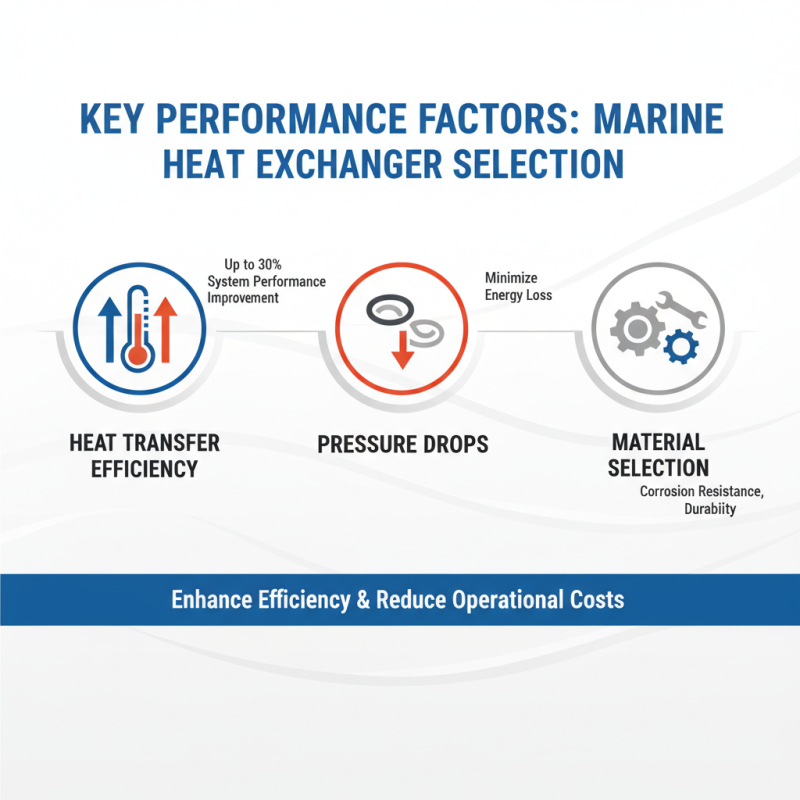
Choosing the right marine heat exchanger is critical for enhancing efficiency and reducing operational costs. Essential performance factors include heat transfer efficiency, pressure drops, and material selection. According to industry reports, optimizing heat transfer can improve system performance by up to 30%.
Heat transfer efficiency relies heavily on the design of the exchanger. Tube-and-shell configurations often provide superior performance in turbulent flow conditions. Consideration of fouling rates is also vital, as fouled exchangers can decrease efficiency significantly. Depending on the vessel's application, materials like titanium or stainless steel may be more suitable to resist corrosion.
Pressure drop affects pump capacity and overall system efficiency. A higher pressure loss requires more energy, leading to increased operational costs. Data shows that an acceptable pressure drop should be less than 5 psi for optimal performance in marine systems. Regular maintenance and inspections can help mitigate fouling and corrosion, though this aspect can be overlooked.
These factors highlight the need for careful analysis when selecting a heat exchanger. Balancing performance, durability, and cost will ultimately lead to an effective solution for any marine vessel.
Material Compatibility and Durability in Marine Environments
Choosing the right heat exchanger for marine applications involves understanding material compatibility and durability. In marine environments, materials face harsh conditions like saltwater, temperature fluctuations, and corrosion. Selecting the appropriate material is vital to extend the heat exchanger's lifespan.
Stainless steel is commonly used for its corrosion resistance. However, it may not be the best for all situations. Aluminum offers lightweight benefits but can corrode quickly in seawater. Consider the vessel's specific conditions before making a choice.
**Tips:**
Always assess the local environment. Regular maintenance can prevent unforeseen failures. Coating options might enhance durability in some cases. Avoid overlooking the impact of pressure and flow rate on material performance.
Material Compatibility and Durability of Marine Heat Exchangers
Installation and Maintenance Considerations for Heat Exchangers
When considering the installation of a marine heat exchanger, it's crucial to assess the specific conditions aboard your vessel. Factors such as space availability, pipe diameter, and the type of coolant can impact your choice. A successful installation begins with understanding your engine’s cooling needs. Ensure that the heat exchanger has the proper capacity for your setup.
Maintenance is equally vital. Regular inspections help identify corrosion or blockages early. Clean the exchanger routinely to prevent scale buildup. This maintenance can extend the life of your system significantly.
Tips: Always use a non-corrosive cleaning solution. Check for leaks in fittings regularly. This simple step can prevent costly repairs down the line. Consider documenting each maintenance activity. This log can be helpful for future assessments. An overlooked detail today may lead to problems tomorrow.