How to Choose the Right Heat Exchanger for Your Furnace?
Choosing the right heat exchanger for your furnace is essential for optimal performance and efficiency. According to recent industry reports, inefficient heat exchangers can lead to energy waste, resulting in increased utility costs. The U.S. Department of Energy states that up to 30% of residential energy consumption is attributed to heating systems. A properly selected heat exchanger furnace can significantly reduce these expenses.
Moreover, heat exchanger longevity impacts furnace reliability. Research indicates that high-quality heat exchangers can last over 20 years with regular maintenance. However, poorly chosen or installed units may fail prematurely, raising safety concerns and repair costs. Understanding the specifications and features of different heat exchangers is crucial for safeguarding your home and wallet.
It's important to assess your specific heating needs before making a decision. Factors like the size of your home, climate, and existing ductwork play a significant role. Remember, the right heat exchanger furnace doesn’t always align with the cheapest option available. Careful consideration and expert advice can lead to a selection that enhances comfort while ensuring efficiency.
Understanding the Basics of Heat Exchangers in Furnaces
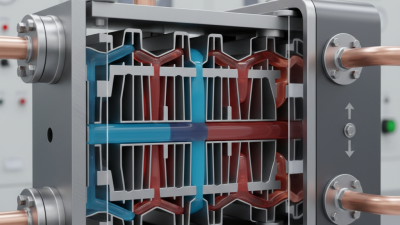
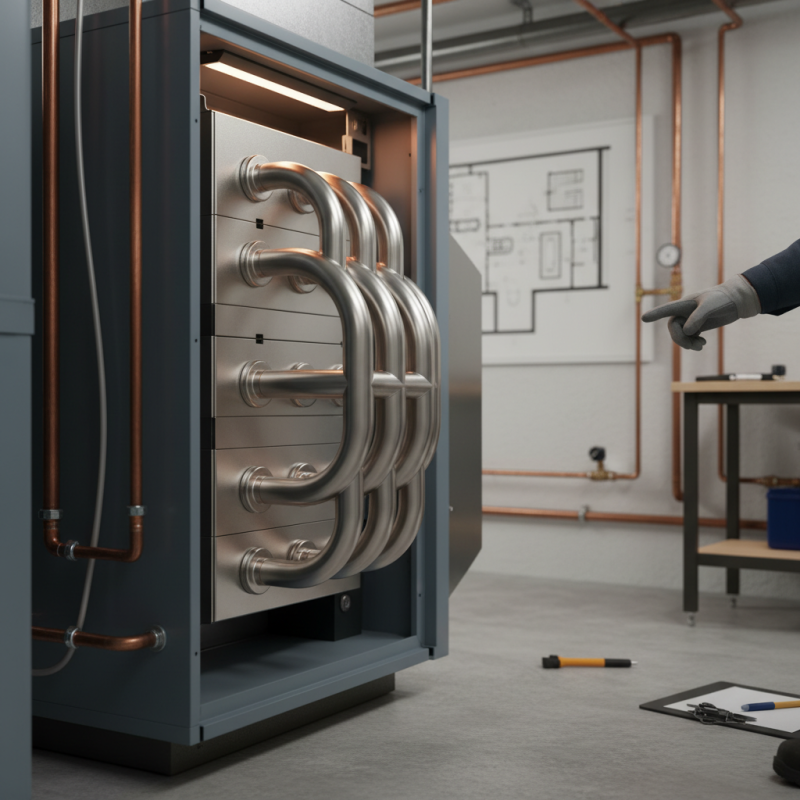
Heat exchangers play a crucial role in the function of furnaces. They transfer heat efficiently between the combustion gases and the air that warms your home. Understanding the basics is essential for selecting the right one.
Consider the design and material. Different designs affect the efficiency and durability of heat exchangers. Common materials include stainless steel and aluminum. Stainless steel lasts longer but may cost more. This can be a crucial factor in decision-making.
Tips: Check your furnace's specific needs. An incompatible heat exchanger will reduce efficiency. Also, inspect your existing unit for signs of wear. Small leaks can lead to significant energy loss.
Regular maintenance is vital. Over time, heat exchangers can accumulate dirt and debris. This buildup can impede airflow and decrease effectiveness. If you notice unusual noises or decreased heating performance, consult a professional.
Tips: Look for certifications and standards compliance when choosing. This ensures the heat exchanger meets reliability benchmarks. Always consider consulting with HVAC experts for tailored advice.
Identifying Your Furnace's Heating Requirements
When selecting the right heat exchanger for your furnace, understanding your heating requirements is crucial. Start by determining the size of your home. Larger spaces will need more heating capacity. It's important to calculate the heat loss in your home. This can involve checking insulation and window quality. These factors significantly affect how much heat is necessary.
Next, assess your furnace type. Different systems, such as gas or electric, have unique requirements. Understanding the specifics can guide you in making the right choice for your heat exchanger. Consider the efficiency rating of your existing furnace. If it’s old, an upgrade can save energy. However, newer models may not work well with outdated heat exchangers.
Don’t overlook the installation process. Improper fitting can hinder efficiency. A professional assessment can help verify compatibility. Many people underestimate the potential savings and improvements a proper heat exchanger can bring. Think about future needs as well. Planning for growth can make a difference. Maintain flexibility as your heating demands could change over time.
Heat Exchanger Efficiency Based on Furnace Size
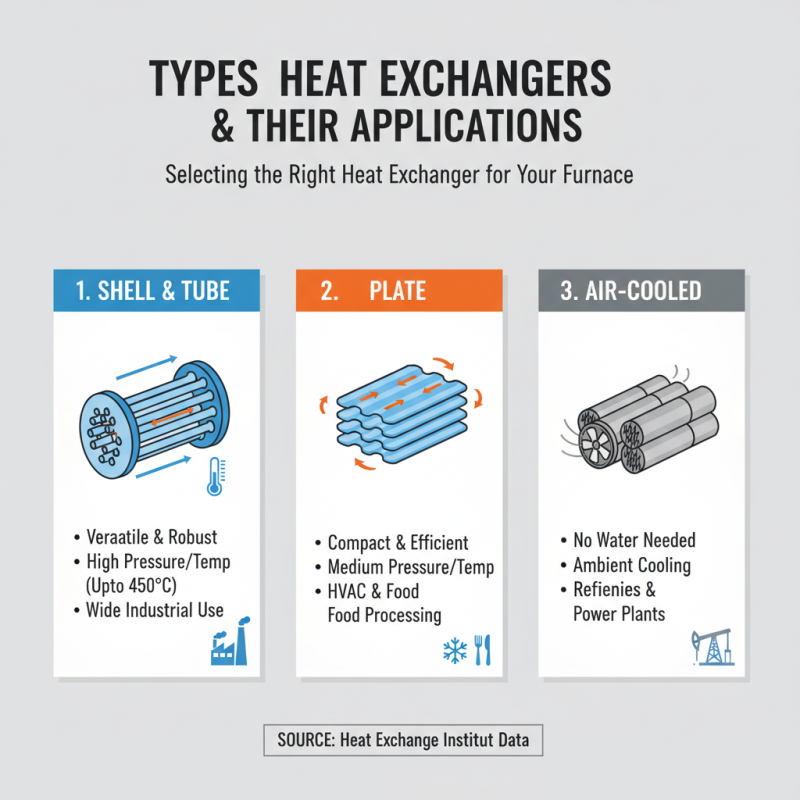
Types of Heat Exchangers and Their Applications
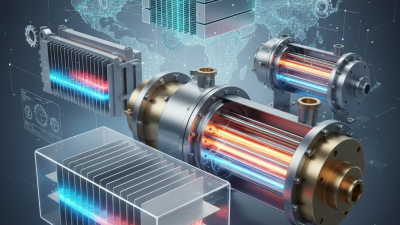
When selecting a heat exchanger for your furnace, understanding the types available is crucial. The most common types are shell and tube, plate, and air-cooled heat exchangers. Each type serves distinct applications. Shell and tube exchangers are versatile and widely used in many industries. They effectively handle high pressure and temperature environments. Data from the Heat Exchange Institute indicates they can operate efficiently up to 450°C.
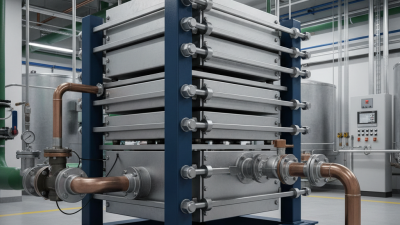
Plate heat exchangers are compact and lightweight. They excel in situations where space is limited. Their high heat transfer efficiency can lead to reduced operational costs. Reports from ASHRAE suggest plate exchangers can achieve thermal efficiencies exceeding 90%. Air-cooled heat exchangers, on the other hand, are ideal for environments where water is scarce. They rely on air for cooling and are often used in remote locations.
Choosing the right type involves considering several factors. The operational environment, heat transfer requirements, and maintenance ease all play a role. Industry studies highlight that improper selection can lead to energy losses of up to 30% and increased downtime. Evaluating these parameters can enhance system performance and reliability. However, even with detailed analysis, some uncertainties may arise, necessitating future reassessment.
Factors to Consider When Choosing a Heat Exchanger
Choosing the right heat exchanger is crucial for optimal furnace performance.
Various factors influence this decision. Material selection is significant. Steel and copper are common choices, each with unique advantages. For example, copper offers better thermal conductivity, while steel provides durability. A study indicates steel heat exchangers last longer than copper ones.
Size and capacity matter too. An undersized heat exchanger can strain the system. Conversely, oversizing leads to inefficiencies. Industry research shows that properly sized heat exchangers can improve energy efficiency by 10-15%. Ensure the design matches the furnace capacity and heating needs.
Installation environment impacts heat exchanger selection.
Corrosive environments necessitate specialized materials. Temperature fluctuations require robust designs to prevent failure. A report highlights that about 20% of heat exchangers fail early due to improper material choice. Evaluating operating conditions can help in selecting the right heat exchanger.
Maintenance and Efficiency Considerations for Heat Exchangers
Maintaining heat exchangers is crucial for efficiency and longevity. Regular cleaning can prevent condensation buildup. This buildup can lead to corrosion or even leaks. Inspecting for cracks or wear is essential. A minor crack today can become a major issue tomorrow.
Another vital aspect is monitoring airflow. Ensure that the air filters are clean. Dirty filters restrict airflow and reduce efficiency. Proper airflow maximizes heat transfer, improving your furnace's performance. Neglecting this can lead to higher energy bills.
Consider the quality of materials used in the heat exchanger. Stainless steel offers durability, while aluminum is lighter but may not last as long. The choice affects long-term maintenance. Regular checks can help identify potential problems early on. Don’t bypass these inspections; they matter. Ensuring your heat exchanger operates efficiently will save you money and improve comfort.
How to Choose the Right Heat Exchanger for Your Furnace? - Maintenance and Efficiency Considerations for Heat Exchangers
| Type of Heat Exchanger |
Efficiency Rating (%) |
Maintenance Frequency (Months) |
Typical Lifespan (Years) |
Cost Estimate ($) |
| Counterflow |
90 |
12 |
15 |
1500 |
| Parallel Flow |
85 |
18 |
10 |
1200 |
| Shell and Tube |
80 |
24 |
20 |
2000 |
| Plate |
92 |
6 |
12 |
1000 |
| Air Cooled |
75 |
36 |
25 |
2500 |