China Top Industrial Heat Exchanger Suppliers for Global Buyers?
In today's global market, the demand for efficient and reliable industrial heat exchangers is on the rise. China has emerged as a significant supplier, offering a variety of products to meet international standards. These offerings range from traditional designs to advanced, innovative solutions.
As global industries strive to enhance their energy efficiency, selecting the right supplier becomes crucial. Many buyers face challenges in choosing from numerous manufacturers. Quality, performance, and customization are key considerations. With the right knowledge, buyers can navigate this complex landscape more effectively.
However, not all suppliers are equally reliable. It’s essential to assess their experience, expertise, and reputation. Buyers must also reflect on their specific needs and the long-term implications of their choices. Understanding the nuances of industrial heat exchangers can lead to better decisions that align with operational goals.
Overview of Industrial Heat Exchangers in China
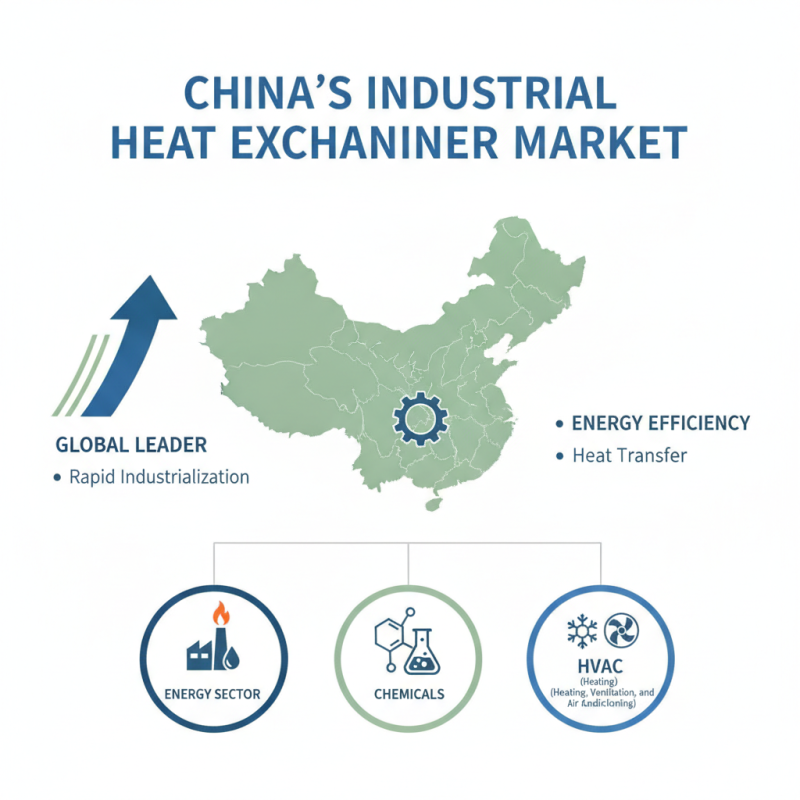
China is a leading player in the industrial heat exchanger market. Its growth is fueled by rapid industrialization. Heat exchangers are vital in various sectors, including energy, chemical, and HVAC. These devices transfer heat between two or more fluids, ensuring efficient energy use.
Manufacturers in China offer a wide range of products. They focus on innovation and efficiency. Many companies utilize advanced materials to improve performance. However, challenges remain, such as quality control and meeting international standards. Some suppliers may struggle with consistency. This creates concerns for global buyers needing reliability.
Despite the challenges, the potential for growth is significant. Chinese suppliers have been increasing their exports. Their focus on research and development is promising. Yet, buyers should conduct thorough assessments before committing to partnerships. Each supplier has unique strengths and weaknesses. Understanding these nuances is crucial for successful sourcing.
Key Players in the Chinese Industrial Heat Exchanger Market
The Chinese industrial heat exchanger market is rapidly evolving. Recent industry reports indicate a projected growth rate of 7.5% from 2023 to 2030. This expansion is largely driven by increased demand across various sectors, including petrochemicals and power generation. The competitive landscape features numerous suppliers, enhancing the options available for global buyers.
Key players in the market focus on innovation and sustainability. Many suppliers are investing in advanced materials and energy-efficient designs. Such innovations can reduce operating costs and improve performance, which is crucial in today's economy. However, navigating this market requires careful consideration. Buyers should evaluate supplier capabilities and focus on long-term partnerships.
Tips: Look for suppliers who prioritize research and development. A commitment to technological advancements often indicates reliability. Additionally, consider local market dynamics. Understanding regional regulations can impact supplier performance and costs. A thorough analysis can lead to better procurement strategies.
Criteria for Selecting Top Heat Exchanger Suppliers
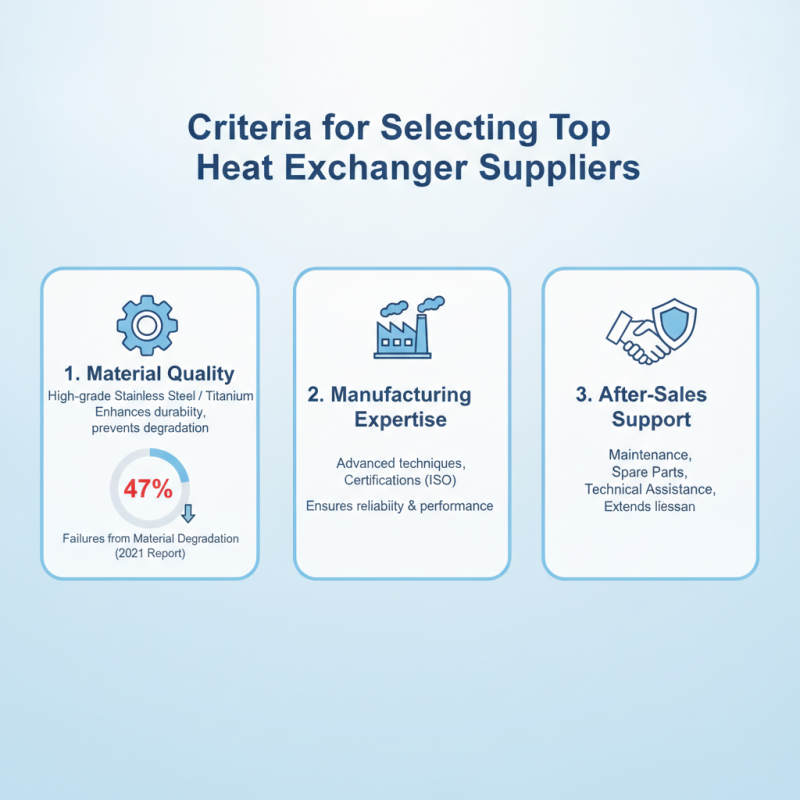
When selecting top industrial heat exchanger suppliers, buyers should focus on several key criteria. The quality of materials used is paramount. High-grade stainless steel or titanium can enhance durability, ensuring longevity in harsh conditions. According to a 2021 industry report, 47% of heat exchanger failures stem from material degradation. This statistic emphasizes the need for reliable material selection.
Another critical aspect is the supplier's technological capability. Advanced manufacturing processes, such as precision welding and laser cutting, improve efficiency and performance. Reports suggest that suppliers utilizing modern technologies show a 25% increase in energy efficiency in their heat exchangers. Buyers should also assess suppliers' certifications. Accreditation to ISO standards signifies adherence to quality benchmarks.
Lastly, customer service and support cannot be ignored. Suppliers that provide ongoing technical assistance reflect a commitment to their clients. A recent survey indicated that 60% of buyers prefer suppliers who offer comprehensive post-purchase support. Understanding these criteria helps buyers make informed decisions. The pursuit of excellence in supplier selection is ongoing and requires periodic evaluation.
Comparative Analysis of Suppliers Based on Quality and Pricing
When evaluating industrial heat exchanger suppliers in China, quality and pricing emerge as pivotal factors for global buyers. Recent industry reports indicate that the market for heat exchangers is expected to reach $29 billion by 2026, driven by growing demand from energy, chemical, and HVAC sectors. A comparative analysis reveals regional variances in quality and cost, impacting buyers' decisions significantly.
The quality of heat exchangers often correlates with the manufacturers' technological capabilities. For example, advanced manufacturing techniques like laser welding and precise fabrication can enhance performance. However, these innovations come at a price. Reports highlight that premium brands may charge up to 30% more than standard ones, but they often deliver better long-term reliability. Buyers must assess whether short-term savings justify potential increased maintenance costs.
Pricing, however, is influenced by several factors, including raw material costs and labor expenses. Fluctuations in steel prices directly impact manufacturing costs. A supplier may offer competitive pricing yet compromise on material sourcing to retain margins. This trade-off can lead to unexpected failures, emphasizing the need for thorough vetting of suppliers. It’s essential for buyers to strike a balance between cost and quality to ensure lasting partnerships in this critical supply chain component.
Comparative Analysis of Industrial Heat Exchanger Suppliers
This chart displays a comparative analysis of various industrial heat exchanger suppliers based on their heat transfer efficiency and pricing. The data reflects average performance metrics and pricing in thousands of dollars for global buyers.
Trends in the Chinese Heat Exchanger Industry and Global Impact
The heat exchanger industry in China has shown remarkable growth in recent years. This growth is largely influenced by rising energy demands and stricter environmental regulations. Chinese manufacturers are increasingly adopting advanced technologies. These advancements enhance efficiency and reduce emissions. However, the rapid pace of development also presents challenges. Some companies struggle with quality control and consistency.
In the global context, Chinese heat exchangers are gaining attention. Many international buyers seek out Chinese suppliers for competitive pricing and innovative solutions. This trend reflects a shift in manufacturing landscapes. However, this shift raises concerns about over-reliance on a single market. Buyers must be mindful of potential supply chain vulnerabilities. Ensuring quality and compliance across borders remains a challenge. The rapidly evolving landscape requires constant adaptation.
Ongoing research and development are critical in this field. Companies are investing in next-generation materials and designs. While progress is palpable, the need for collaborative efforts between industry players is essential. Only through shared knowledge can the industry tackle sustainability issues effectively. As China establishes itself as a key player, the global impact of its heat exchanger industry will continue to unfold.